



Polycystic ovary syndrome
Also known as: PCOS, polycystic ovaries, polycystic ovarian syndrome, Stein-Leventhal syndrome
A common hormonal condition in which the ovaries make more androgens (hormones such as testosterone, which everyone makes, usually in higher amounts in men) than usual and release eggs irregularly or not at all, often with many small immature follicles visible on the ovaries.
When to seek care
See a GP for periods that are infrequent, absent or very irregular, excess facial or body hair, persistent acne, unexplained weight gain, or difficulty conceiving after a year of trying. Seek prompt assessment for signs of rapid virilisation, such as a deepening voice or hair growth that develops over a few months, which suggest a different cause. Heavy, prolonged bleeding with dizziness or faintness needs urgent care.
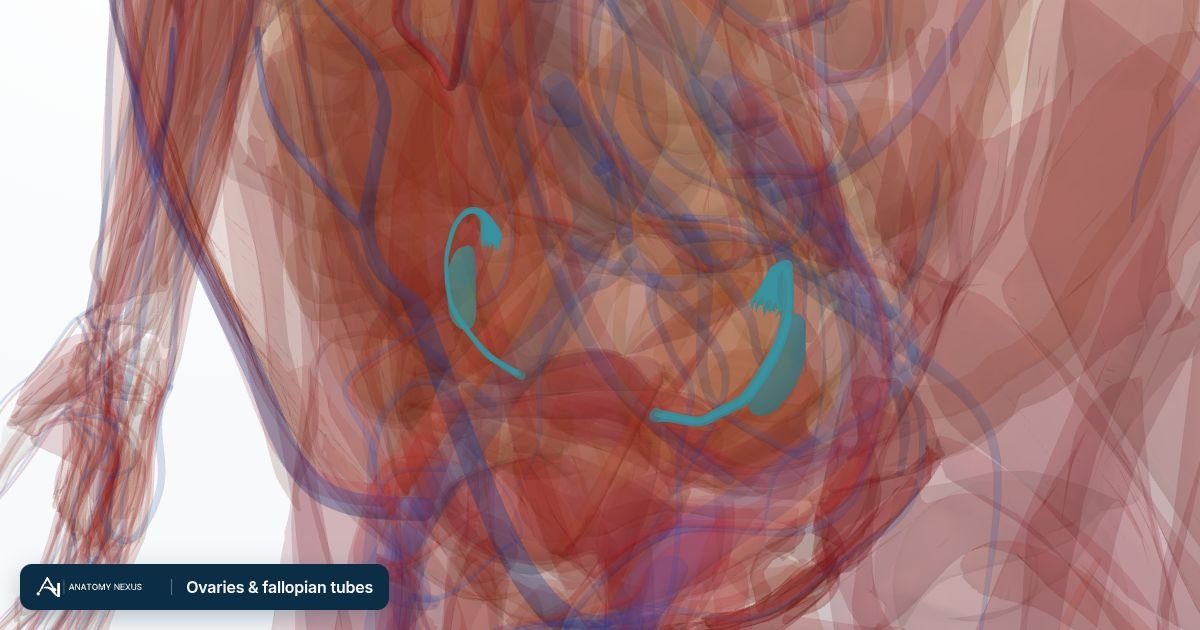
Overview
Polycystic ovary syndrome is one of the commonest endocrine conditions in women of reproductive age, affecting about 1 in 10 women in the UK, and anyone with ovaries can have it, including trans men and non-binary people. The name misleads: the so-called cysts are small follicles that have stalled before ovulation rather than true cysts, and some people with the syndrome have normal-looking ovaries. Insulin resistance is central. High insulin levels push the ovaries to make androgens and lower the liver's output of sex hormone-binding globulin, so more testosterone is free to act. The excess androgen disrupts the maturing of follicles and causes acne and excess hair, while irregular ovulation leads to infrequent periods and subfertility. PCOS is also a metabolic condition, with a raised long-term risk of type 2 diabetes, high blood pressure and abnormal blood lipids, and it is linked with low mood and sleep apnoea. Features usually begin in the late teens or early twenties and vary widely in severity from one person to another.
Causes
- The exact cause is unknown; PCOS is thought to result from a combination of genetic and environmental factors
- Insulin resistance: the body's cells respond poorly to insulin, so more is produced, and the high insulin level stimulates the ovaries to make androgens and lowers the liver's output of sex hormone-binding globulin, raising free testosterone
- Altered signalling from the pituitary, with relatively high luteinising hormone (LH), which further drives androgen production by the ovary
- Excess androgen stops follicles maturing to ovulation, so they accumulate as small follicles around the edge of the ovary
- Family history: PCOS and type 2 diabetes cluster in families
Risk factors
- A mother or sister with PCOS
- Family history of type 2 diabetes
- Being overweight or gaining weight, which worsens insulin resistance and symptoms but does not cause the condition on its own
- Insulin resistance from any cause
- Reproductive age: features usually appear in the years after puberty
Symptoms
What a clinician may find
- Hirsutism: coarse, dark hair on the face, chest, abdomen or back in a male pattern
- Acne and oily skin, and thinning of scalp hair in a male pattern
- Acanthosis nigricans: dark, velvety thickening of the skin of the neck, armpits and groin, a marker of insulin resistance
- Raised body weight, particularly around the waist
- Enlarged ovaries with many small follicles on ultrasound
Complications
- Type 2 diabetes, and gestational diabetes in pregnancy
- Raised cardiovascular risk: high blood pressure, abnormal cholesterol and central weight gain
- Thickening of the lining of the uterus (endometrial hyperplasia) and, over years, endometrial cancer, because infrequent periods leave the lining exposed to oestrogen without the regular shedding that progesterone brings
- Subfertility from irregular or absent ovulation, and a higher risk of miscarriage and complications in pregnancy
- Obstructive sleep apnoea, fatty liver disease, depression and anxiety
Diagnosis
PCOS is diagnosed on the Rotterdam criteria when two of three features are present and other causes have been excluded: infrequent or absent ovulation, shown by irregular or absent periods; clinical or biochemical signs of excess androgen, meaning hirsutism, acne or a raised testosterone or free androgen index on blood tests; and polycystic ovaries on ultrasound. Ultrasound is unnecessary if the first two are present, and it is not used to make the diagnosis in adolescents, in whom ovaries with many follicles are normal. Blood tests measure testosterone, sex hormone-binding globulin, LH and FSH, and check prolactin and thyroid function, because thyroid disease, a raised prolactin, congenital adrenal hyperplasia, Cushing's syndrome and androgen-secreting tumours can mimic the syndrome; a very high testosterone level or rapid virilisation points to a tumour rather than PCOS. Once the diagnosis is made, blood glucose or HbA1c, a lipid profile, blood pressure and weight are checked and then reviewed regularly.
Treatment
There is no cure, so treatment is matched to the symptoms that matter most to the person and to the long-term risks. Weight loss where weight is raised, and regular exercise, improve insulin resistance, ovulation and androgen symptoms and are the foundation of care. The combined hormonal contraceptive pill regulates bleeding and reduces acne and hirsutism; if it is unsuitable, a cyclical progestogen is used to bring on a regular withdrawal bleed, or a hormonal intrauterine system is used to keep the lining thin; either protects the endometrium in anyone who has only a few periods a year. Periods that are infrequent do not mean pregnancy is impossible, so contraception is still needed if pregnancy is not wanted. Metformin can improve insulin resistance and cycle regularity and is used in some people, usually alongside lifestyle change. For fertility, ovulation is induced with letrozole or clomifene under specialist care, with metformin, laparoscopic ovarian drilling or IVF as further options. Excess hair is managed with hair removal, eflornithine cream or, under specialist advice, an anti-androgen, and acne is treated in the usual ways. Screening for diabetes and cardiovascular risk continues lifelong, and mood and sleep problems are asked about and treated.
Prevention
PCOS cannot be prevented, but its complications largely can. Keeping to a healthy weight, staying active and eating well reduce insulin resistance and the risk of diabetes and heart disease; regular checks of blood glucose, blood pressure and lipids pick up problems early; and making sure the lining of the uterus is shed regularly, whether by natural periods or a progestogen, protects against endometrial cancer.