



Sleep
Also known as: insomnia, sleep hygiene, circadian rhythm, sleep apnoea
Sleep is not downtime: the brain clears metabolic waste, consolidates memory and resets emotional circuits, while the body repairs tissue, releases growth hormone and regulates appetite and immune hormones. Adults need seven to nine hours, and chronic short sleep raises the risk of obesity, diabetes, heart disease, depression and accidents.
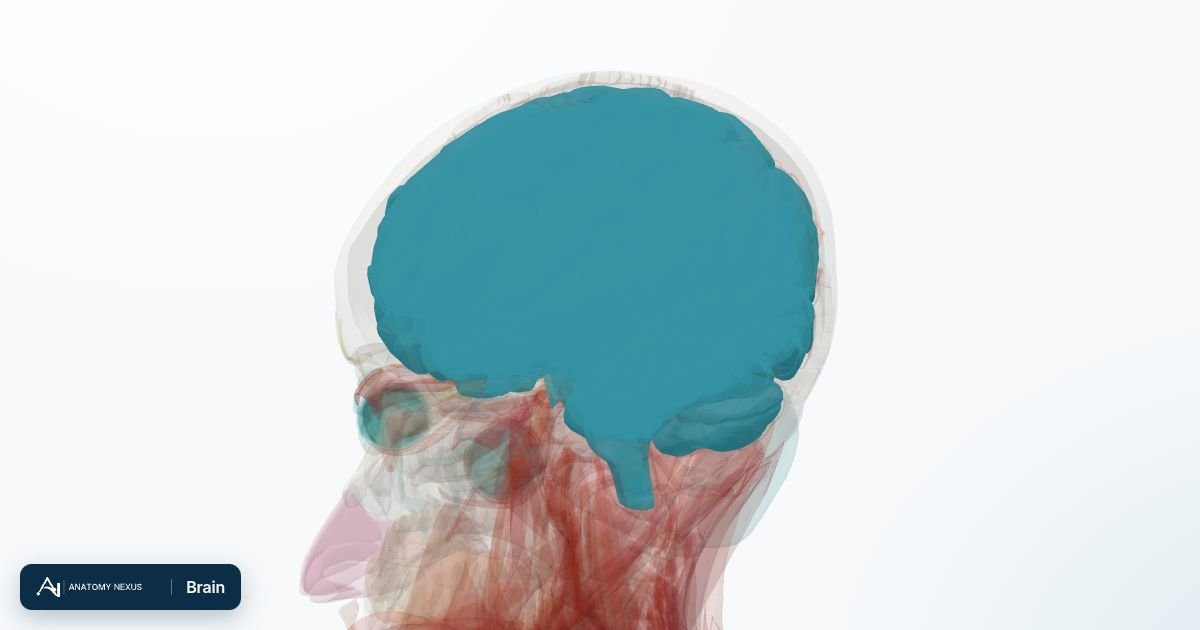
Sleep cycles through light sleep, deep slow-wave sleep and REM sleep roughly every 90 minutes. Deep sleep dominates early in the night: heart rate and blood pressure fall, growth hormone is released, and the glymphatic system flushes cerebrospinal fluid through the brain, clearing amyloid and other waste. REM sleep dominates later, when the brain replays and files the day's experiences and dreams occur while the body is paralysed.
Timing is set by the suprachiasmatic nucleus of the hypothalamus, a clock synchronised to light reaching the retina. Melatonin from the pineal gland rises in darkness and signals night. Evening light from screens delays the clock; morning daylight advances it, which is why light exposure is the most powerful lever for shifting sleep.
Sleep pressure builds through the day as adenosine accumulates; caffeine works by blocking adenosine receptors, with a half-life of five to six hours. Alcohol induces sleep but fragments it and suppresses REM. Obstructive sleep apnoea, where the throat closes repeatedly, causes loud snoring, witnessed pauses and daytime sleepiness, and raises blood pressure and heart risk.
Effects on the body
| System | Effect |
|---|---|
| Nervous system | Memory consolidation, emotional regulation, waste clearance; short sleep impairs attention like alcohol |
| Endocrine | Growth hormone release; short sleep raises cortisol and ghrelin (hunger) and lowers leptin and insulin sensitivity |
| Heart | Nightly dip in blood pressure; chronic short sleep and apnoea raise blood pressure and coronary risk |
| Lymphatic & immune | Immune memory formed during sleep; vaccine responses and infection resistance fall with sleep loss |
Guidance
- Adults 7-9 hours; teenagers 8-10; young children 10-13
- Keep a regular wake time, including weekends; get daylight within an hour of waking
- Dim lights and avoid screens in the hour before bed; keep the bedroom cool, dark and quiet
- No caffeine after early afternoon; avoid alcohol and large meals close to bedtime
- Reserve the bed for sleep: if awake for more than 20 minutes, get up and do something quiet until sleepy
- Cognitive behavioural therapy for insomnia (CBT-I) is the first-line treatment, ahead of sleeping tablets; loud snoring with pauses or daytime sleepiness needs assessment for apnoea