



Smoking and vaping
Also known as: tobacco, nicotine, quitting smoking, e-cigarettes, vaping, passive smoking
Tobacco smoke delivers nicotine, an addictive stimulant, in a cloud of 7,000 chemicals including 70 known carcinogens, carbon monoxide and tar. It damages every organ it reaches: it is the leading preventable cause of cancer, heart disease and lung disease, and kills half of long-term users. Stopping at any age recovers much of the risk, and the fall begins within hours.
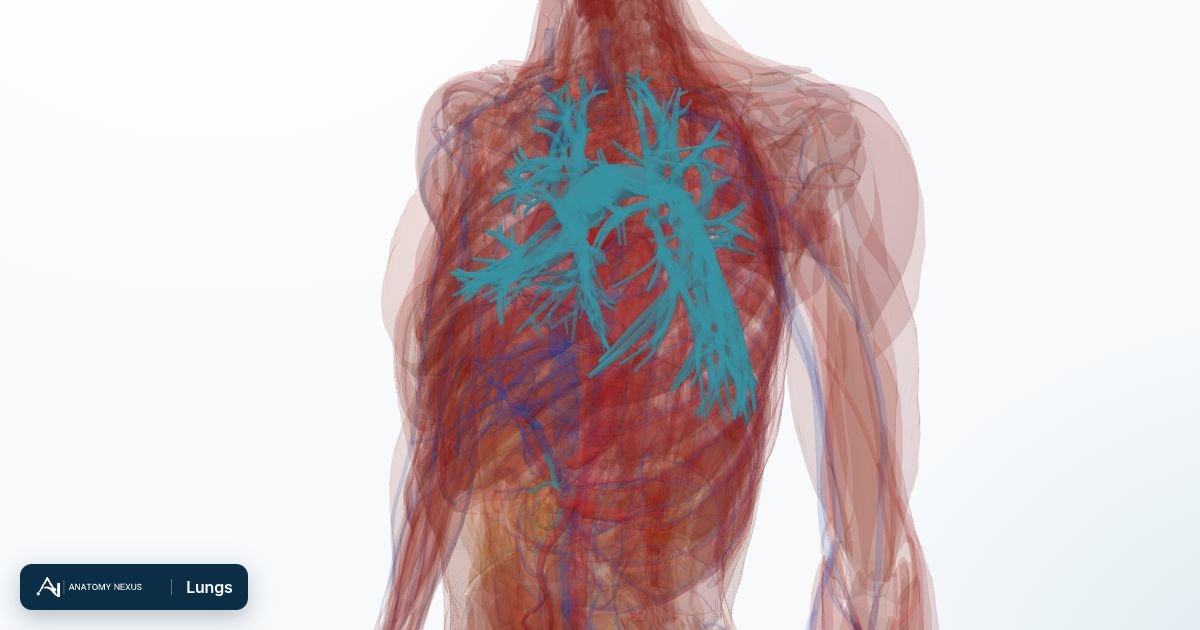
In the lungs, hot smoke paralyses and then destroys the cilia that sweep mucus and microbes out of the airways, inflames the bronchi (chronic bronchitis), and the enzymes released by inflammatory cells digest the walls of the alveoli (emphysema), so gas exchange fails. Tar coats the lining and its carcinogens mutate the DNA of bronchial cells: lung cancer risk is 15-30 times that of a never-smoker, and cancers of the mouth, throat, oesophagus, bladder, pancreas, kidney, stomach, cervix and bowel are all increased.
Carbon monoxide occupies haemoglobin, cutting oxygen delivery; nicotine drives adrenaline, raising heart rate and blood pressure; and the chemicals injure the endothelium lining every artery, letting cholesterol enter the wall and making blood stickier. The result is atherosclerosis in the coronary, carotid, cerebral and leg arteries, doubling heart attack and stroke risk and causing most cases of peripheral arterial disease and aortic aneurysm.
Nicotine reaches the brain in ten seconds and releases dopamine in the reward pathway; receptors multiply, so the brain demands nicotine to feel normal and withdrawal brings irritability, restlessness and craving. That biology, not weakness, is why stopping is hard and why nicotine replacement, varenicline and behavioural support together triple the chance of success. E-cigarettes deliver nicotine without combustion and are substantially less harmful than smoking, which makes them a useful quitting tool for smokers, but they are not harmless and are not for non-smokers or young people.
Effects on the body
| System | Effect |
|---|---|
| Respiratory | COPD (smoking causes 9 in 10 cases), lung cancer, pneumonia, worse asthma; passive smoke causes the same diseases in others |
| Arteries | Atherosclerosis: heart attack, stroke, aneurysm, peripheral arterial disease, erectile dysfunction |
| Digestive | Cancers of the mouth, oesophagus, stomach, pancreas, bowel; peptic ulcers; Crohn disease flares |
| Urinary | Bladder and kidney cancer; faster decline in kidney disease |
| Skeleton | Osteoporosis, slower fracture and wound healing |
| Reproductive | Reduced fertility, miscarriage, stillbirth, low birth weight, sudden infant death |
Guidance
- There is no safe level of smoking; stopping completely is the goal, and the benefits start within a day (carbon monoxide gone), weeks (breathing and circulation improve), a year (heart attack risk halved) and a decade (lung cancer risk halved)
- Use support: stop-smoking services, nicotine replacement (patch plus a fast-acting form), varenicline or cytisine, or switching fully to vaping
- Set a quit date, remove tobacco and lighters, plan for triggers, and treat a lapse as a lesson rather than a failure
- Keep homes and cars smoke-free to protect children
- Smokers aged 55-74 are offered lung cancer screening with low-dose CT in a growing number of countries