



Asthma
Also known as: bronchial asthma
A chronic inflammatory disease of the airways causing reversible narrowing, with episodes of wheeze, breathlessness, chest tightness and cough.
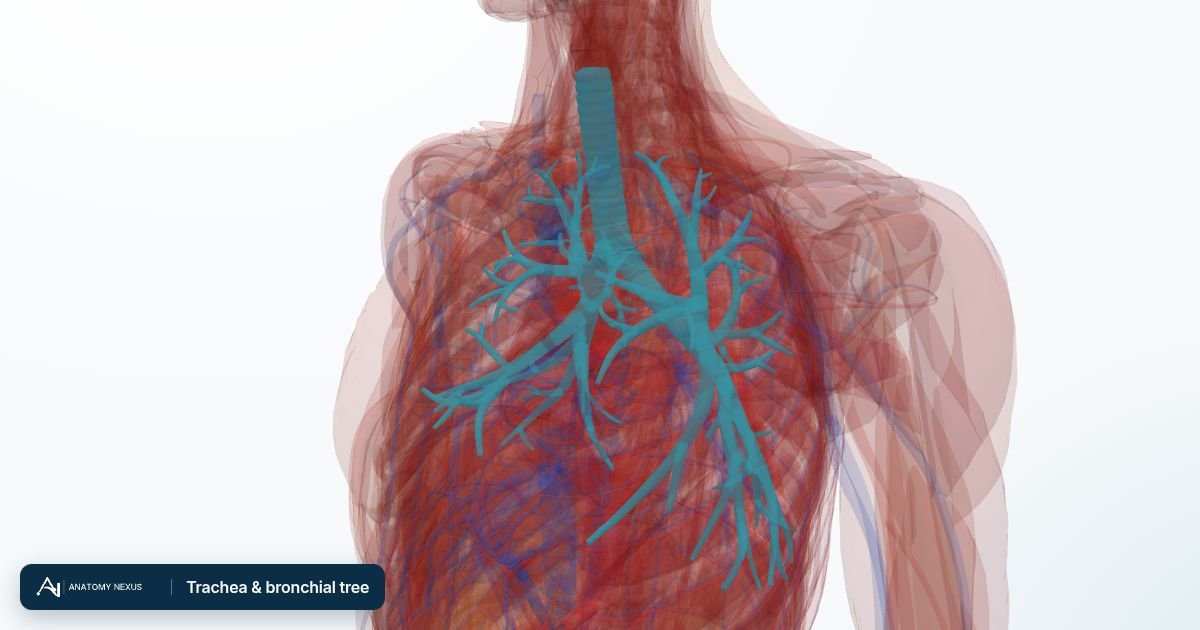
Overview
In asthma the bronchial lining is chronically inflamed and over-reactive. Triggers such as allergens, viruses, exercise or cold air make the smooth muscle constrict and the lining swell and pour out mucus. Between attacks breathing may be normal. It affects about one child in ten and one adult in twelve.
Causes
- Genetic susceptibility plus environmental exposure: allergens (dust mite, pollen, pets), early viral infections, tobacco smoke, air pollution, occupational chemicals
Risk factors
- Family history of asthma or allergy
- Eczema and hay fever
- Smoking or exposure to smoke
- Obesity
- Prematurity
Symptoms
What a clinician may find
- Widespread wheeze on breathing out
- Fast breathing, use of accessory muscles in an attack
- A silent chest and exhaustion in a life-threatening attack
Complications
- Severe attacks needing hospital care
- Airway remodelling and fixed narrowing
- Side effects of repeated steroid courses
Diagnosis
Variable symptoms plus evidence of variable airflow obstruction: spirometry with bronchodilator reversibility, peak-flow variability, or raised exhaled nitric oxide and blood eosinophils.
Treatment
Inhaled corticosteroids are the foundation, combined with a long-acting bronchodilator as needed; a reliever inhaler for symptoms; a written action plan; trigger avoidance; biologic injections for severe allergic or eosinophilic asthma. Attacks are treated with high-dose reliever, oral steroids and oxygen.
Prevention
Avoid smoking and smoke exposure, control allergens, have flu vaccination, use the preventer inhaler daily and check inhaler technique.
When to seek care
Emergency care if the reliever is not helping, the person cannot speak in sentences, lips are blue, or peak flow is below a third of best.