



Beta-2 adrenergic receptor
Also known as: β2 receptor, beta-2 adrenoceptor, ADRB2
The receptor on airway smooth muscle through which adrenaline relaxes the bronchi. Salbutamol and other beta-2 agonists stimulate it to open the airways in asthma and COPD; non-selective beta blockers block it and can provoke bronchospasm.
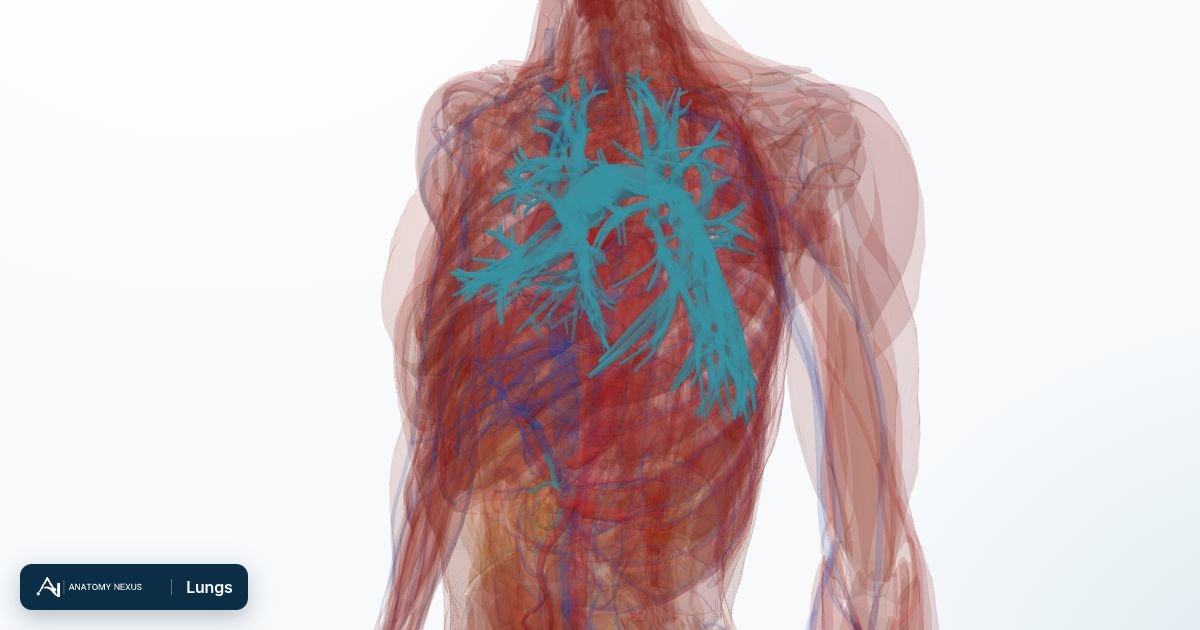
- Kind
- receptor
- Also called
- β2 receptor, beta-2 adrenoceptor, ADRB2
- Where it is found
- Smooth muscle of the bronchi and bronchioles, vascular smooth muscle in skeletal muscle beds, the uterus, liver and skeletal muscle cells, and mast cells.
What it does
Beta-2 receptors respond mainly to circulating adrenaline rather than to direct nerve supply. In bronchial smooth muscle they raise cyclic AMP, which relaxes the muscle and widens the airway within minutes; they also increase mucociliary clearance and stabilise mast cells. In skeletal muscle they cause tremor and drive potassium into cells (high-dose salbutamol lowers blood potassium), in the liver they release glucose, in the uterus they relax the muscle, and in blood vessels supplying muscle they dilate. Short-acting agonists such as salbutamol act for about four hours as relievers; long-acting agonists (salmeterol, formoterol) last twelve hours or more and are combined with inhaled corticosteroids, because used alone in asthma they can mask worsening inflammation. Frequent use down-regulates the receptors, one reason reliever overuse signals poorly controlled asthma.
Role in the body
Bronchodilation, vasodilation in skeletal muscle, glycogen breakdown, uterine relaxation and potassium uptake into cells.