



Glucocorticoid receptor
Also known as: GR, NR3C1, cortisol receptor, corticosteroid receptor
The receptor inside almost every cell through which cortisol, and corticosteroid medicines such as prednisolone and inhaled beclometasone, switch inflammatory genes off and metabolic genes on. It gives steroids their power against inflammation and also their long list of side effects.
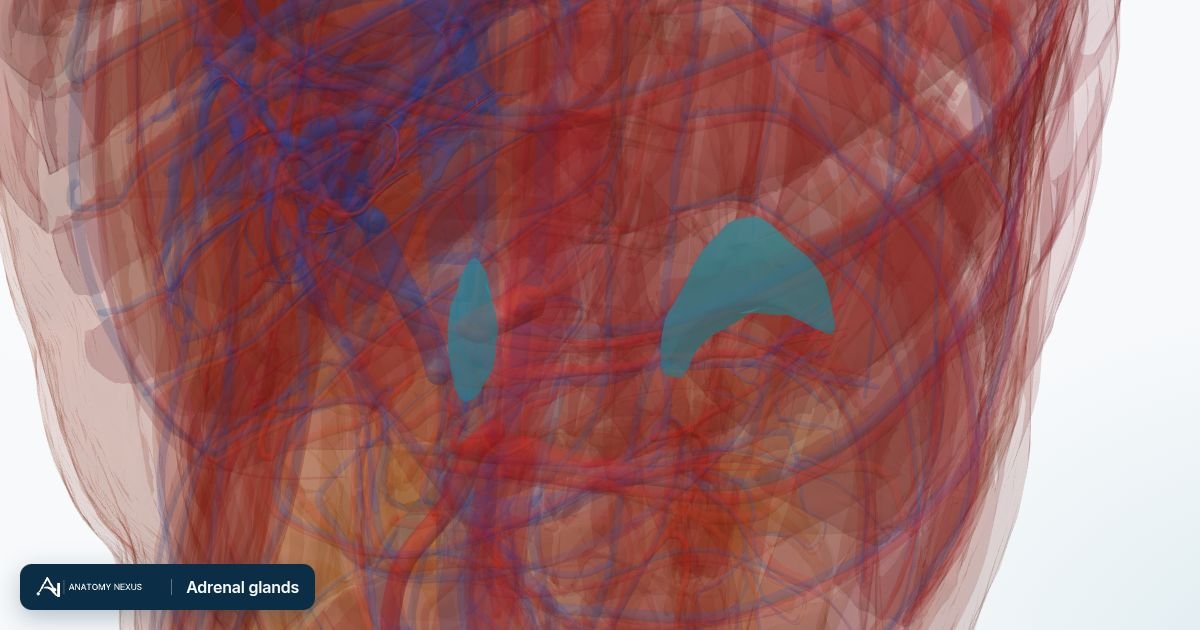
- Kind
- receptor
- Also called
- GR, NR3C1, cortisol receptor, corticosteroid receptor
- Where it is found
- Cytoplasm and nucleus of nearly all cells, with the strongest effects in immune cells, airway and skin, liver, muscle, bone, fat and the hypothalamus–pituitary axis.
What it does
Cortisol from the adrenal cortex, and synthetic glucocorticoids, pass through the cell membrane and bind the glucocorticoid receptor waiting in the cytoplasm. The complex moves into the nucleus, where it suppresses the transcription factors that drive inflammatory genes (cytokines, adhesion molecules, COX-2) and activates genes for anti-inflammatory proteins, gluconeogenesis and protein breakdown. The anti-inflammatory and immunosuppressive effects are used in asthma, COPD flares, inflammatory arthritis, bowel disease, allergic reactions and transplant medicine; the metabolic effects produce the side effects of systemic treatment: raised blood glucose, muscle and skin thinning, bone loss, weight gain, mood change, high blood pressure and infection risk. Inhaled and topical steroids reach high concentrations at the target with little systemic exposure. Because the pituitary shuts down its own ACTH when circulating steroid is high, the adrenal glands shrink during prolonged courses, and stopping abruptly can precipitate adrenal crisis; doses are tapered.
Role in the body
Regulates transcription of inflammatory, immune and metabolic genes; mediates the stress response.