



Stroke
Also known as: cerebrovascular accident, CVA, brain attack, TIA
Sudden loss of brain function because blood supply to part of the brain is interrupted, by a blocked artery (ischaemic, 85%) or a bleed (haemorrhagic).
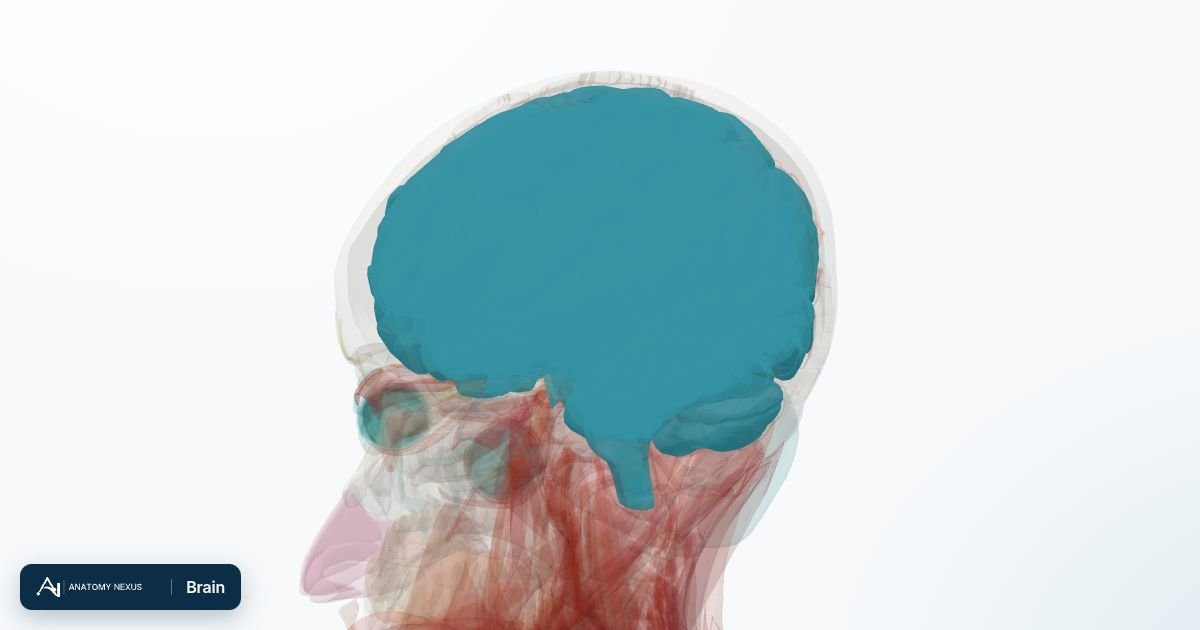
Overview
Brain tissue dies within minutes of losing its blood supply, and the lost functions map the artery: weakness and numbness of the opposite side, loss of speech, loss of half the visual field, or unsteadiness and double vision from the brainstem. Treatment to reopen the artery works only in the first hours, so stroke is a medical emergency recognised by the FAST test.
Causes
- Atherosclerosis of the carotid and cerebral arteries
- Emboli from the heart in atrial fibrillation
- Small vessel disease from high blood pressure and diabetes
- Bleeding from high blood pressure, aneurysms or vascular malformations
- Arterial dissection in younger people
Risk factors
- High blood pressure
- Atrial fibrillation
- Smoking
- Diabetes
- High cholesterol
- Age
- Previous TIA or stroke
- Excess alcohol
Symptoms
What a clinician may find
- Facial droop
- Arm drift
- Slurred or absent speech
- Loss of a visual field
- Unsteady gait
Complications
- Permanent disability
- Swallowing problems and aspiration pneumonia
- Depression
- Seizures
- Recurrent stroke
Diagnosis
Immediate CT to distinguish a bleed from a blockage, then CT or MR angiography to find the blocked vessel. Blood glucose is checked at once to exclude hypoglycaemia. ECG, echocardiography and carotid ultrasound search for the source.
Treatment
For ischaemic stroke, clot-dissolving thrombolysis within 4.5 hours and mechanical thrombectomy for large-vessel blockage within 6 to 24 hours, then antiplatelet drugs, statins, blood pressure control and anticoagulation if AF is found. Bleeds need blood pressure control, reversal of anticoagulants and sometimes surgery. Rehabilitation by a stroke team drives recovery.
Prevention
Treat blood pressure and atrial fibrillation, stop smoking, control diabetes and cholesterol, exercise, and manage weight and alcohol.
When to seek care
Call emergency services immediately at any sign of Face drooping, Arm weakness or Speech difficulty: Time matters. Symptoms that resolve (a TIA) still need same-day assessment.