



Reflexes
Fast, automatic responses wired through the spinal cord or brainstem that protect the body before the brain has time to decide.
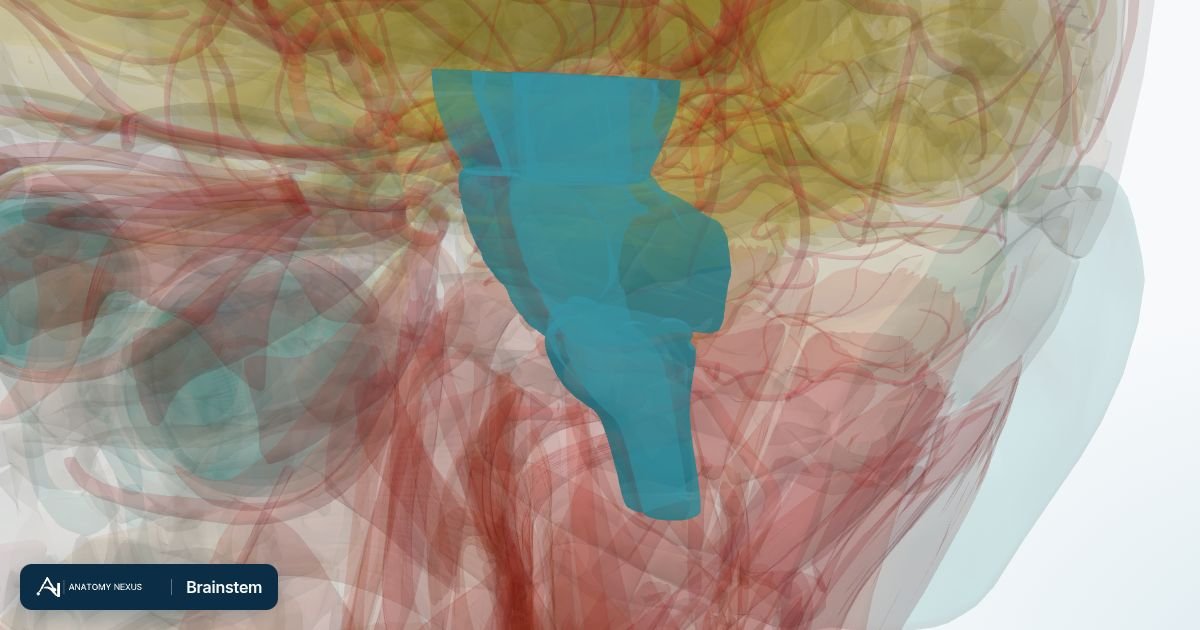
The knee-jerk is the simplest: tapping the patellar tendon stretches the quadriceps, a sensory neuron fires straight onto a motor neuron in the spinal cord, and the muscle contracts. Withdrawal from a hot object uses one more neuron and also inhibits the opposing muscles. Brainstem reflexes include the pupil's response to light, the gag and cough reflexes and the baroreceptor reflex that steadies blood pressure.
Clinicians grade tendon reflexes because they map the nervous system: a lost ankle reflex points to the S1 nerve root, brisk reflexes with a spreading pattern point to damage above the spinal cord, as after a stroke.
Reflexes can be modulated: the brain can suppress a withdrawal to keep hold of a hot cup, and spinal cord injury releases reflexes from that control, producing spasticity.
Key facts
| Fact | Value |
|---|---|
| Knee-jerk pathway | 2 neurons, ≈30 ms |
| Reflex grades | 0 (absent) to 4+ (clonus) |