



Choking
Also known as: airway obstruction, back blows, abdominal thrusts, Heimlich manoeuvre
Food or an object has lodged in the larynx or trachea. If the person can still cough, their own cough is the best tool; if they cannot breathe, cough or speak, back blows and abdominal thrusts create bursts of pressure to expel the object, and if they collapse, chest compressions do the same job.
Emergency
Call emergency services (999 UK · 112 Europe · 911 North America) as soon as you recognise this, or have someone call while you act.
Recognise it
- Sudden inability to speak, clutching the throat, usually while eating
- Mild: can cough forcefully, speak, breathe
- Severe: cannot speak or cough effectively, silent attempts to breathe, high-pitched noises, face turning blue, then unconsciousness
What to do
- Mild obstruction: encourage coughingStay with them and encourage them to keep coughing. Do nothing else unless it becomes severe.
- Severe: give up to 5 back blowsStand to the side and slightly behind. Support their chest with one hand and lean them forward. Give up to 5 sharp blows between the shoulder blades with the heel of your hand, checking after each whether the obstruction has cleared.
- Then up to 5 abdominal thrustsStand behind them, put both arms round the upper abdomen, lean them forward. Make a fist and place it between the navel and the bottom of the sternum; grasp it with the other hand and pull sharply inwards and upwards. Repeat up to 5 times.
- Alternate and call for helpContinue alternating 5 back blows and 5 abdominal thrusts. If not already done, call emergency services (or have someone call) once the first cycle fails.
- If they become unconsciousLower them to the ground, call emergency services, and start CPR beginning with chest compressions. Look in the mouth before rescue breaths and remove anything visible; do not sweep blindly with a finger.
Children and infants
Infants under 1: lay face down along your forearm with the head low, give 5 back blows; then turn face up and give 5 chest thrusts with two fingers on the lower sternum. Never use abdominal thrusts on an infant. Children over 1: as for adults, with less force.
Do not
- Do not slap the back of someone who is coughing effectively
- Do not use abdominal thrusts on infants or in late pregnancy (use chest thrusts instead)
- Do not finger-sweep blindly: it can push the object deeper
Get medical help when
- Any severe choking
- Anyone who received abdominal thrusts should be medically checked afterwards, as they can injure internal organs
Why it works: the anatomy
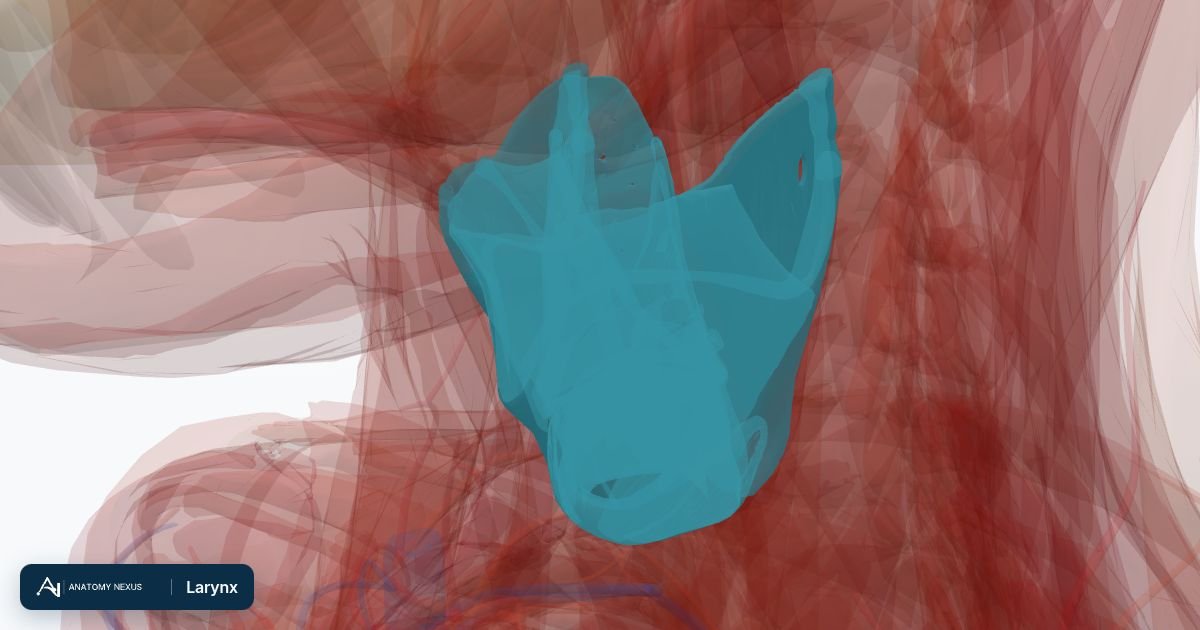
The larynx is the narrowest point of the adult airway and the epiglottis normally seals it during swallowing; talking or laughing while eating lets food slip past. A back blow or abdominal thrust suddenly raises pressure in the chest, forcing the air trapped in the lungs up the trachea like a cork from a bottle.