



Parkinson's disease
Also known as: Parkinson disease, PD
A progressive disorder in which dopamine-producing neurons in the substantia nigra of the midbrain are lost, causing slowness, stiffness and tremor.
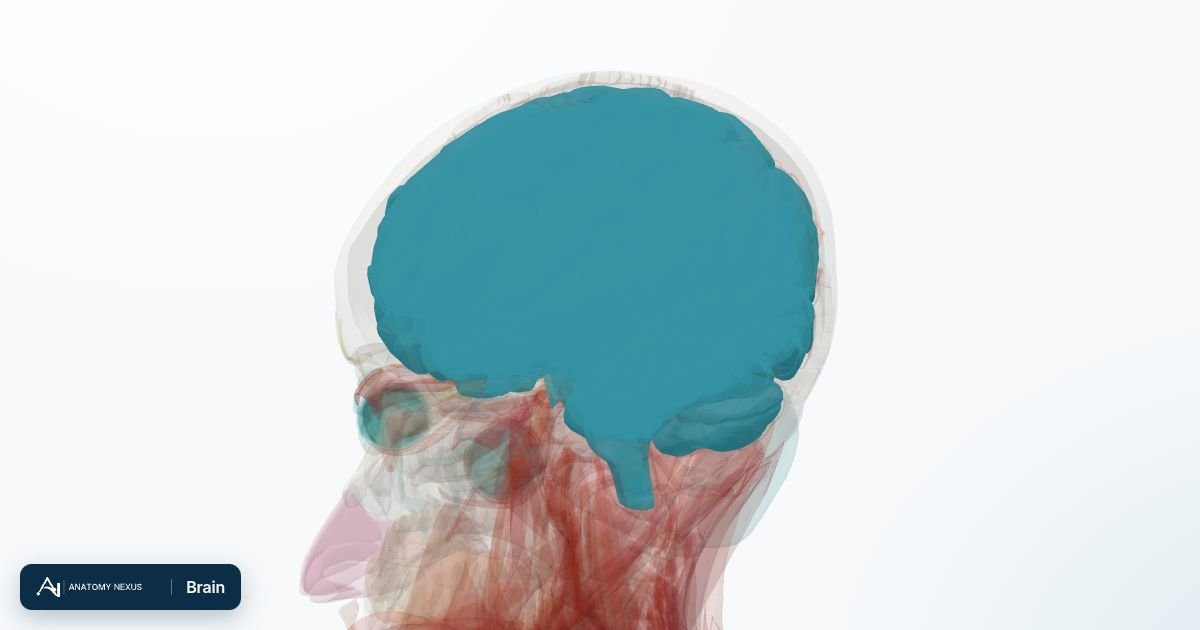
Overview
The basal ganglia need dopamine to release intended movements smoothly. As nigral neurons die, movements become slow and small, muscles stiff, and a resting tremor appears, typically starting on one side. Non-motor features such as loss of smell, constipation, sleep disturbance and later cognitive change are part of the disease.
Causes
- Accumulation of misfolded alpha-synuclein protein in neurons; the trigger is unknown in most cases
- Genetic forms in a minority
- Rare toxin exposure
Risk factors
- Age over 60
- Male sex
- Family history
- Pesticide exposure
- Head injury
Symptoms
What a clinician may find
- Resting tremor (pill-rolling)
- Bradykinesia: slow, small movements
- Rigidity (cogwheeling)
- Stooped posture, shuffling gait, reduced arm swing
- Reduced facial expression, soft voice, small handwriting
Complications
- Falls and fractures
- Swallowing difficulty and pneumonia
- Dementia and hallucinations
- Depression
- Motor fluctuations from long-term levodopa
Diagnosis
Clinical, by a neurologist, on the combination of bradykinesia with tremor or rigidity and a response to levodopa. MRI excludes other causes; a DaT scan can confirm dopamine loss when uncertain.
Treatment
Levodopa remains the most effective drug; dopamine agonists, MAO-B and COMT inhibitors extend its effect. Physiotherapy, exercise, speech and occupational therapy maintain function. Deep brain stimulation helps selected patients with fluctuations.
Prevention
No proven prevention; regular exercise and coffee are linked to lower risk and exercise slows decline.
When to seek care
See a doctor for a new tremor at rest, slowing of movement or a change in gait; urgent help for falls with injury, inability to swallow, or sudden confusion.