



Herniated (slipped) disc
Also known as: slipped disc, prolapsed disc, sciatica
Protrusion of the soft nucleus of an intervertebral disc through its fibrous outer ring, most often at the lower lumbar levels, which can press on a nerve root.
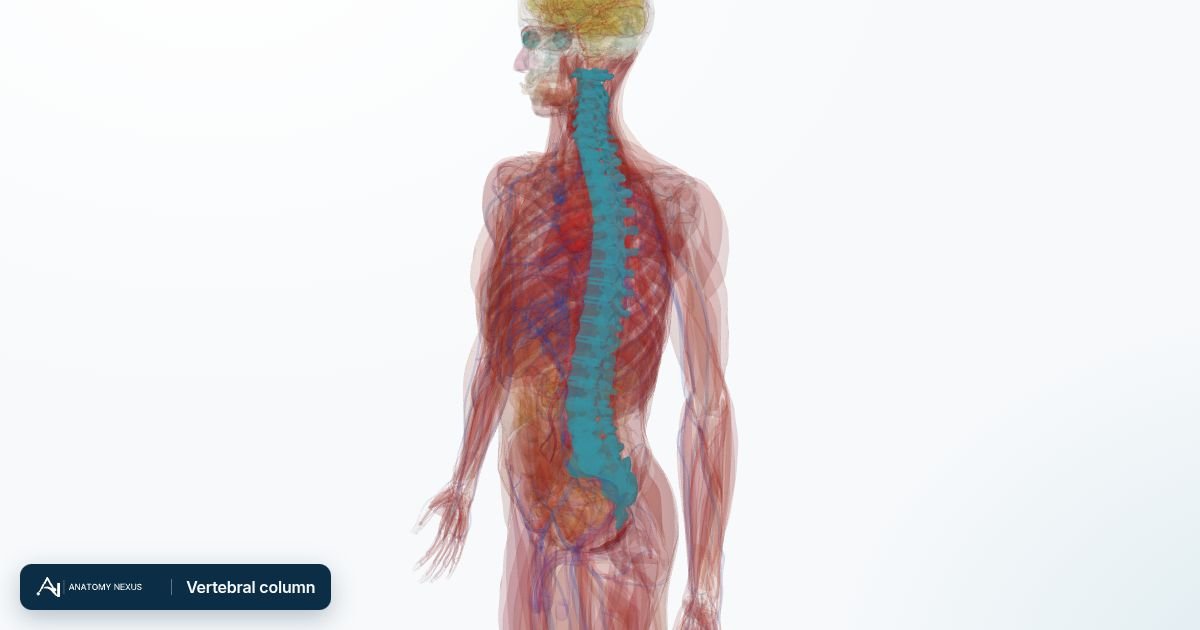
Overview
Discs weaken with age and can bulge or rupture under load. Most herniations cause back pain alone; when the extruded material compresses a nerve root the result is sciatica: sharp pain, tingling and numbness shooting down the leg in that root's territory, sometimes with weakness. Nine in ten settle within three months without surgery.
Causes
- Age-related disc degeneration
- Lifting, twisting or a sudden strain
- Repetitive loading
Risk factors
- Age 30 to 50
- Heavy manual work, driving
- Smoking
- Obesity
- Family history
Symptoms
What a clinician may find
- Pain reproduced by straight-leg raising
- Reduced ankle or knee reflex
- Weak ankle dorsiflexion or big toe extension
- Sensory loss in a dermatome
Complications
- Cauda equina syndrome (emergency)
- Persistent nerve damage
- Chronic pain
Diagnosis
Clinical, with MRI reserved for red flags, progressive neurological deficit or when surgery or injection is being considered, because disc bulges are common in people without symptoms.
Treatment
Stay active, pain relief (NSAIDs, short courses of stronger analgesia), physiotherapy, and time. Epidural steroid injections for severe radicular pain. Microdiscectomy for persistent sciatica beyond six to twelve weeks or for progressive weakness; emergency decompression for cauda equina syndrome.
Prevention
Lift with the legs, keep the back and core strong, healthy weight, do not smoke.
When to seek care
Emergency care for numbness around the saddle area, difficulty passing urine or controlling bowels, or weakness in both legs; urgent review for progressive weakness or unbearable pain.