



Osteoarthritis
Also known as: OA, degenerative joint disease, wear-and-tear arthritis
The commonest joint disease: progressive loss of articular cartilage with changes in the underlying bone, causing pain and stiffness, most often in the knees, hips, hands and spine.
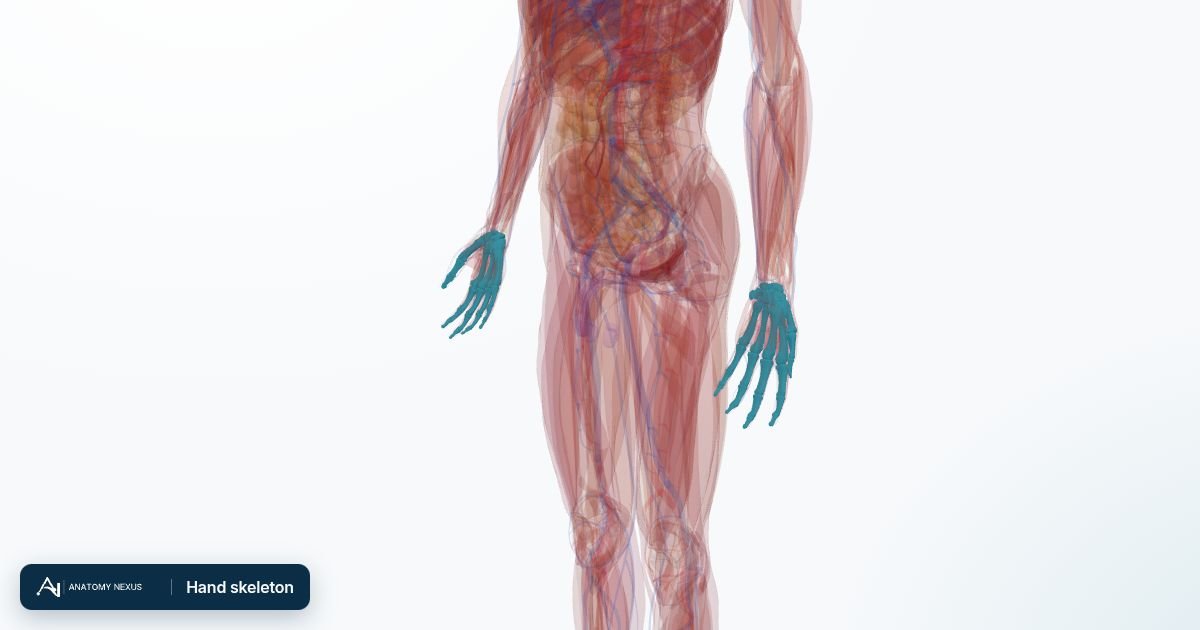
Overview
Osteoarthritis is not simply wear: it is a failed repair process in which cartilage thins, bone thickens and forms spurs (osteophytes), and the joint lining becomes intermittently inflamed. Pain builds over years, worse with use and at the end of the day. It affects most people over 65 to some degree.
Causes
- Mechanical load on a susceptible joint: age, previous injury, malalignment, obesity
- Genetic factors, especially in hand OA
Risk factors
- Age over 50
- Obesity (knees and hips)
- Previous joint injury or surgery
- Heavy manual work or elite sport
- Female sex
- Family history
Symptoms
What a clinician may find
- Bony enlargement, crepitus, reduced range of motion
- Heberden's and Bouchard's nodes on the fingers
- Effusion in a flared knee
- Antalgic gait
Complications
- Disability and loss of independence
- Falls
- Chronic pain and depression
Diagnosis
Clinical in a person over 45 with activity-related pain and brief morning stiffness. X-rays show joint-space narrowing, sclerosis and osteophytes but correlate poorly with symptoms; blood tests are normal and are used to exclude inflammatory arthritis.
Treatment
Exercise and strengthening, weight loss, education and pacing are the core treatments. Topical NSAIDs, paracetamol and oral NSAIDs for pain; walking aids and braces; steroid injections for flares. Joint replacement when pain limits life despite these.
Prevention
Healthy weight, regular low-impact exercise, strong muscles around the joints, and avoiding joint injury.
When to seek care
See a doctor for joint pain limiting daily activities; urgent care for a hot, red, swollen joint with fever.