



Sprains and strains
Also known as: sprained ankle, pulled muscle, RICE, PRICE, soft tissue injury
A sprain is a stretched or torn ligament (the bands that hold a joint together); a strain is a stretched or torn muscle or tendon. Most heal with protection, early gentle movement and time. The first days aim to limit swelling and pain, the following weeks to restore movement and strength.
Recognise it
- Pain, swelling and bruising around a joint (sprain) or in a muscle belly (strain) after a twist, fall or sudden effort
- Difficulty putting weight through the joint or using the muscle
- A 'pop' at the time of injury with rapid swelling suggests a more serious ligament tear
- Suspect a fracture instead if there is bony tenderness, deformity, or inability to take four steps
What to do
- ProtectStop the activity. Support the limb; use crutches or a brace for a day or two if weight-bearing is painful.
- Rest, then load graduallyRest for the first 24-72 hours, then begin gentle movement and progressive weight-bearing: complete rest slows recovery.
- IceAn ice pack wrapped in a towel for 15-20 minutes every 2-3 hours during the first 2-3 days, for pain relief.
- CompressionAn elastic bandage snug but not tight, removed at night, to limit swelling.
- ElevationRaise the limb above heart level when resting.
- Pain relief and rehabilitationParacetamol or ibuprofen; once pain allows, range-of-motion, balance and strengthening exercises to prevent re-injury. Most ankle sprains improve in 2 weeks and heal in 6-12.
Do not
- Do not apply ice directly to skin or for more than 20 minutes
- Do not apply heat, drink alcohol, run or massage in the first 72 hours (they increase bleeding and swelling)
- Do not immobilise for weeks: stiffness and weakness follow
Get medical help when
- Seek urgent care if the joint looks deformed, you heard a crack, cannot bear weight at all, or numbness or pale cold skin develops
- See a clinician if it is no better after a week, or the joint gives way repeatedly
Why it works: the anatomy
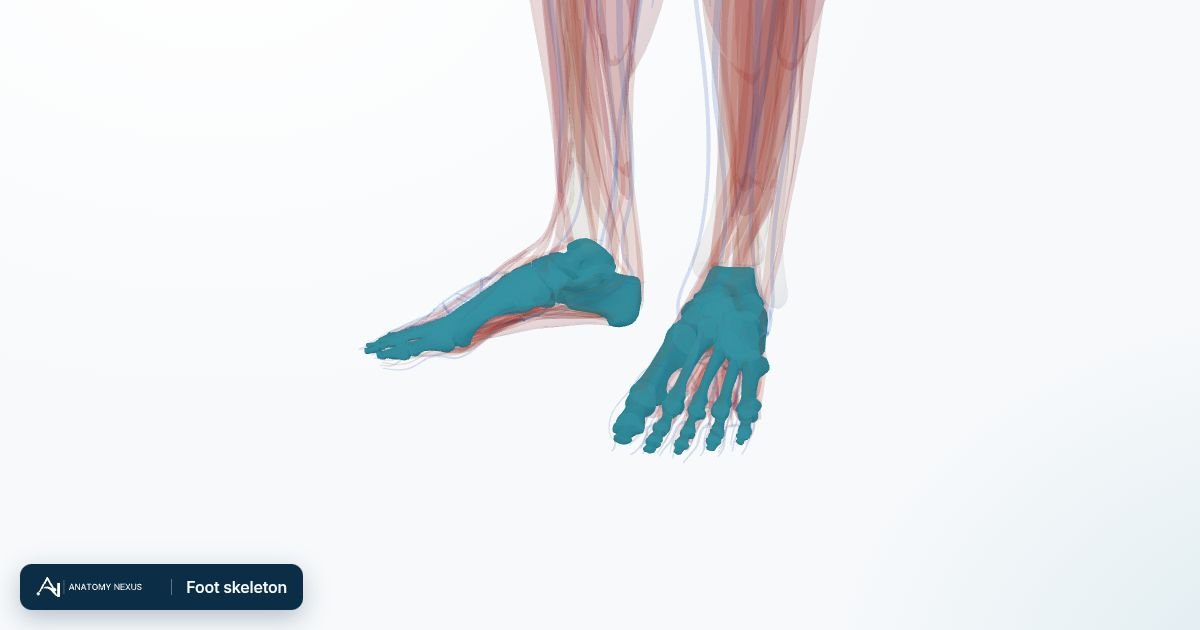
Ligaments are dense collagen with a poor blood supply, so they heal slowly and by scar; the lateral ankle ligaments tear when the foot rolls inward, the knee's cruciate and collateral ligaments with twisting. Ice numbs pain nerves and slows local bleeding; elevation and compression use gravity and pressure to limit fluid leaking from damaged capillaries. Controlled loading aligns the new collagen fibres along lines of stress, which is why early movement gives stronger healing than rest.