Medication · Cardiovascular · full clinical detail
Rosuvastatin
A high-intensity statin that lowers LDL cholesterol by more, milligram for milligram, than any other statin, used to prevent heart attacks and strokes when atorvastatin is not tolerated or not enough; the dose is limited by kidney function, ethnicity and interacting drugs.
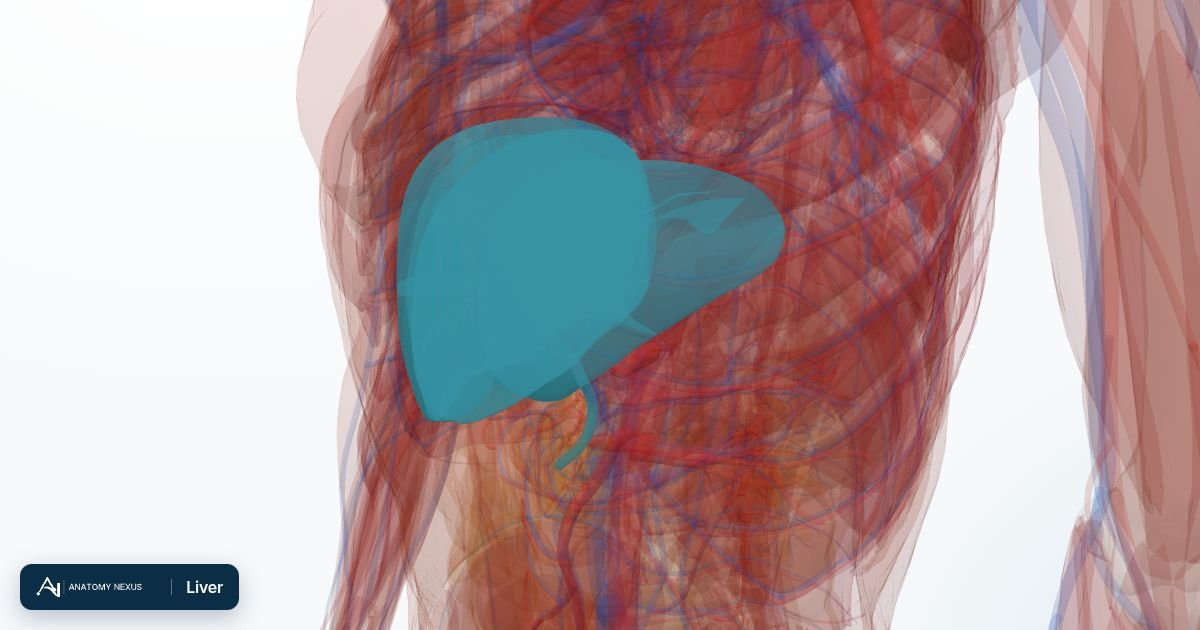
Rosuvastatin blocks the enzyme the liver uses to make cholesterol, so the liver takes more LDL cholesterol out of your blood. Lower LDL means less build-up in artery walls and a lower risk of heart attack and stroke.
Route
Oral (tablets)
Uses
Licensed indications
Use
Status
Country · source
Note
Primary hypercholesterolaemia, mixed dyslipidaemia and homozygous or heterozygous familial hypercholesterolaemia when diet is insufficient
NICE: a high-intensity alternative (10-40 mg) when atorvastatin is not tolerated or contraindicated, or when lipid targets are not met
Licensed indications come from the product licence in the named country; guideline-supported and off-label uses are cited to the guideline that supports them. Licensing differs between countries.
How it works
Rosuvastatin blocks the enzyme the liver uses to make cholesterol, so the liver takes more LDL cholesterol out of your blood. Lower LDL means less build-up in artery walls and a lower risk of heart attack and stroke.
Like atorvastatin it blocks HMG-CoA reductase, the enzyme that controls cholesterol production in the liver, so the liver takes more LDL out of the blood. Rosuvastatin is the most potent statin by weight (5-10 mg gives a similar LDL reduction to 20-40 mg of atorvastatin), is water-soluble, and is barely metabolised by the liver's CYP enzymes, so it has fewer interactions with antibiotics and antifungals; instead its levels depend on transporters and on the kidney, which is why doses are capped in kidney impairment, in people of Asian ancestry and with ciclosporin or some HIV medicines.
Mechanism of action
Rosuvastatin is a hydrophilic, hepatoselective HMG-CoA reductase inhibitor taken into hepatocytes by OATP1B1. It reduces cholesterol synthesis, upregulates LDL receptors and lowers LDL cholesterol by about 45-63% across the 5-40 mg range, with larger HDL increases than other statins. Only about 10% is metabolised (mainly CYP2C9, negligibly CYP3A4), so macrolides and azole antifungals have little effect; exposure is instead raised by OATP1B1 and BCRP inhibitors (ciclosporin, gemfibrozil, some protease inhibitors) and by reduced renal function, and is about twofold higher in people of Asian ancestry because of transporter polymorphisms, hence the dose caps. High doses can cause dose-related proteinuria of tubular origin.
Myopathy and rhabdomyolysis (muscle breakdown), particularly at 40 mg, with interacting drugs, kidney impairment or hypothyroidism
Liver enzyme rise (rare, usually harmless); rare hepatitis
Protein and blood in the urine at high doses (tubular, usually transient)
Rare immune-mediated necrotising myopathy, interstitial lung disease, severe skin reactions
Source: NHS: Rosuvastatin. Frequencies follow the source's categories; no percentages are invented.
Serious safety information
Special warning. Muscle effects: unexplained muscle pain, tenderness or weakness, particularly with fever or dark urine, may be myopathy or rhabdomyolysis; UK information advises urgent advice and a creatine kinase test. The 40 mg dose carries the highest risk and is reserved for specialist use. UK
Special warning. People of Asian ancestry have about twice the drug exposure: start at 5 mg, do not exceed 20 mg, and the 40 mg dose is contraindicated. UK
Warnings and precautions
Kidney. Contraindicated in severe renal impairment; the 40 mg dose is contraindicated with moderate impairment (eGFR below 60) and the starting dose is 5 mg when eGFR is 30-60. High doses can cause proteinuria and haematuria. UK
Pregnancy. Contraindicated in pregnancy and breastfeeding; UK information advises stopping three months before trying to conceive. UK
Liver. Liver enzymes can rise; liver function is measured before, within 3 months and at 12 months. Contraindicated in active liver disease. UK
Contraindications
Factor
Detail
Strength
Country · source
Active liver disease
Contraindicated in active liver disease and unexplained persistent transaminase elevation.
Contraindicated in people with myopathy; the 40 mg dose is also contraindicated with predisposing factors (hypothyroidism, personal or family history of muscle disorders, previous statin muscle toxicity, alcohol excess, fibrate use, Asian ancestry).
"Absolute" and "relative" follow the wording of the cited source; where the source does not classify, the cell is blank.
Interactions
Check interactions
Taking Rosuvastatin with other medicines? Add them to the checker to see what the official sources say about each pair: the mechanism, general management and monitoring, never a bare "safe".
Interactions documented in the official sources cited on each card. The list covers the medicines represented on this site and is not exhaustive; how the interaction data is compiled.
Other medicines
Rosuvastatin + Ciclosporin
Contraindicated or avoidContraindicated in official information
Ciclosporin raises rosuvastatin levels about sevenfold, with a high risk of muscle damage.
Why it can occur
transporter inhibition · OATP1B1 and BCRP inhibition
What official information says
UK information advises not taking rosuvastatin with ciclosporin; the BNF lists the combination as contraindicated.
What to discuss with a clinician
Official information: contraindicated; another lipid-lowering treatment is chosen.
Therapeutic duplication. Two statins together add muscle and liver toxicity without additional benefit; combinations for extra LDL lowering use ezetimibe or other classes instead. UK
Food and drink
With
Effect
Official advice
Grapefruit juice
Unlike atorvastatin and simvastatin, rosuvastatin is not significantly affected by grapefruit juice because it is not metabolised by CYP3A4. (other)
UK information states there are no specific foods or drinks to avoid; a normal diet low in saturated fat supports the treatment. UK
Alcohol
Heavy drinking raises the risk of liver problems and of muscle damage with statins. (Additive hepatotoxicity; alcohol-related myopathy)
UK information states alcohol in moderation is acceptable; heavy drinking should be avoided. UK
Monitoring
What
Why
Tests and markers
Source
Lipid profile
Baseline and at 3 months against the same targets as atorvastatin (over 40% non-HDL reduction, or LDL 2.0 / non-HDL 2.6 mmol/L in secondary prevention), then annually
Urinalysis: Dipstick proteinuria and microscopic haematuria occur at high doses, usually transient and tubular; persistent proteinuria prompts dose reduction. UK
Dosing is intentionally not described: doses depend on the indication, the country's licence, kidney and liver function, age, weight and other medicines, and are set by a prescriber.
Medicines that share the class of Rosuvastatin. They are separate medicines with their own licences, doses and interactions, not alternative names for Rosuvastatin.
Medicines often discussed alongside Rosuvastatin: used together, compared with it, or acting on the same problem by a different route.
Educational content. Anatomy Nexus provides medical education and does not replace professional medical advice, diagnosis, treatment, prescribing or pharmacist review. Doses, choices and monitoring are decided by a prescriber for an individual; never start, stop or change a medicine on the basis of this page.