Medication · Anticoagulants, antiplatelets & haematology

Warfarin

The long-established oral anticoagulant that blocks vitamin K-dependent clotting factors; effective for mechanical heart valves and clots but needs regular INR blood tests and careful dosing.

Open in the 3D explorerLiver anatomyCheck interactions
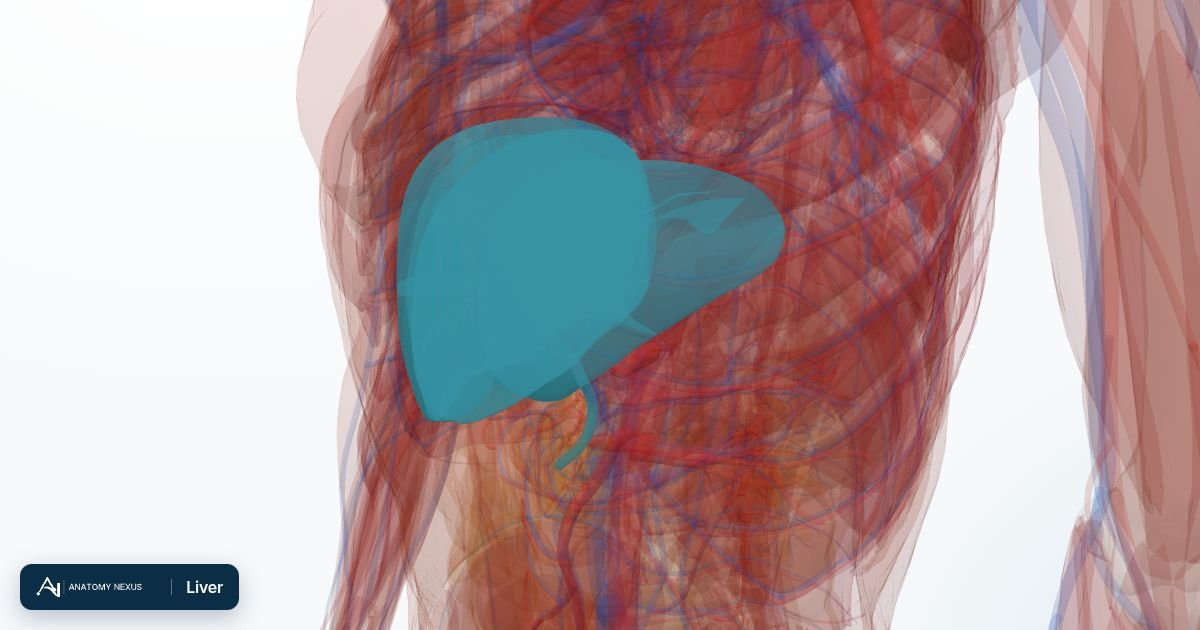
3D model of the Liver in the Anatomy Nexus anatomy atlas
Interactive 3D model: Liver. Orbit, zoom and click the structures.Load the 3D model
Generic name
Warfarin
Active ingredient
Warfarin (variants: warfarin sodium)
Product type
Small-molecule medicine
Drug class
Anticoagulants
Brand names
UK Marevan · US Coumadin, Jantoven
Routes
Oral
Dosage forms
Tablet, Suspension
Forms
Tablets 0.5, 1, 3 and 5 mg (colour-coded), taken once daily at the same time
Onset and duration
Therapeutic after 3-5 days; effect persists 3-5 days after stopping. Reversed with vitamin K (slow) or prothrombin complex concentrate (immediate).
Terminology
RxNorm RxCUI 11289 · ATC B01AA03 · FDA EPC Vitamin K Antagonist [EPC]
Monitoring
INR every few days at first, then every 4-12 weeks once stable, and after any new drug or illness; self-testing meters are available.

Availability by country

CountryStatusNoteSource
UKPrescription only UK

Legal status differs between countries and can change; each row cites the document it was taken from and applies only to the country named.

What it is used for

  • Mechanical heart valves (the only oral anticoagulant licensed)
  • Atrial fibrillation with moderate or severe mitral stenosis, and antiphospholipid syndrome
  • Venous thromboembolism where DOACs are unsuitable (severe kidney failure, cost)
  • Historically the standard anticoagulant, now largely replaced by DOACs for other indications

How it works in the body

Blocks vitamin K epoxide reductase in the liver, so vitamin K cannot be recycled to activate clotting factors II, VII, IX and X. Existing factors take days to be cleared, so the effect starts after 2-3 days and heparin cover is needed for immediate protection. The dose needed varies enormously between people and with diet, illness and other drugs, so the INR blood test tunes it.

Common side effects

  • Bruising, bleeding gums, nosebleeds
  • Hair thinning, rash

Serious: seek help

  • Major bleeding, including intracranial: risk rises steeply when the INR is above 4
  • Skin necrosis in the first days (protein C deficiency), purple toe syndrome
  • Fetal harm: teratogenic in the first trimester and bleeding later

Cautions and interactions

  • Hundreds of interactions: antibiotics, antifungals, amiodarone, NSAIDs, alcohol binges raise the INR; rifampicin, carbamazepine, large amounts of green vegetables lower it
  • Keep vitamin K intake steady rather than avoiding it
  • Carry an anticoagulant alert card; tell dentists and pharmacists
  • Target INR 2-3 for most indications, 2.5-3.5 for some mechanical valves

Interactions

Check interactions

Taking Warfarin with other medicines? Add them to the checker to see what the official sources say about each pair: the mechanism, general management and monitoring, never a bare "safe".

Check Warfarin interactions

Interactions documented in the official sources cited on each card. The list covers the medicines represented on this site and is not exhaustive; how the interaction data is compiled.

Other medicines

Warfarin + Ibuprofen

Contraindicated or avoidOfficial guidance: avoid the combination

Ibuprofen with warfarin increases the risk of serious bleeding, particularly from the stomach, and can raise the INR.

Why it can occur
additive bleeding risk · Gastric mucosal injury and reversible antiplatelet effect on top of anticoagulation
What official information says
UK information for warfarin advises not taking ibuprofen or aspirin unless a doctor has said it is safe; the BNF advises avoiding the combination.
What to discuss with a clinician
Official UK guidance: avoid; paracetamol is the usual alternative. If unavoidable, INR and bleeding are monitored closely.
What may be monitored
INR · Signs of bleeding
Context
Onset: Days
Basis of the status
BNF: Ibuprofen interactions (increased risk of bleeding with warfarin; avoid)
Sources
NHS: Ibuprofen for adults (Taking it with other medicines and herbal supplements) UK
BNF: Ibuprofen interactions (Interactions) UK
NHS: Warfarin (Taking it with other medicines and herbal supplements · Medicines that interact with warfarin) UK
Review
Facts checked against the cited sources; not yet clinically reviewed · last reviewed 12 September 2026

Warfarin + Aspirin

MajorSpecialist supervision or close monitoring

Aspirin with warfarin substantially increases bleeding, including gastrointestinal and intracranial bleeding.

Why it can occur
additive bleeding risk
What official information says
UK information lists blood thinners such as warfarin and apixaban among medicines to tell a doctor about; the BNF advises avoiding the combination unless specifically indicated.
What to discuss with a clinician
Official guidance: combined only for specific indications (for example mechanical valves) under specialist direction, usually with gastroprotection.
What may be monitored
INR · Signs of bleeding · Haemoglobin
Basis of the status
BNF: Aspirin interactions (increased risk of bleeding; use only when specifically indicated)
Sources
NHS: Aspirin (Low-dose aspirin · Taking it with other medicines and herbal supplements) UK
BNF: Aspirin interactions (Interactions) UK
MedlinePlus: Aspirin (What special precautions should I follow?) US
Review
Facts checked against the cited sources; not yet clinically reviewed · last reviewed 12 September 2026

Warfarin + Atorvastatin

ModerateMonitoring or dose adjustment advised

Starting or changing atorvastatin can alter the INR in people taking warfarin.

Why it can occur
other
What official information says
UK information advises that the INR may need checking more often when atorvastatin is started with warfarin.
What to discuss with a clinician
Official information: extra INR checks after starting or changing the dose.
What may be monitored
INR
Context
Onset: Days to weeks
Basis of the status
NHS: Taking atorvastatin with other medicines (extra INR checks)
Sources
NHS: Atorvastatin (Taking it with other medicines and herbal supplements · Medicines that interact with atorvastatin) UK
BNF: Atorvastatin interactions (Interactions) UK
Review
Facts checked against the cited sources; not yet clinically reviewed · last reviewed 12 September 2026

Direction: Atorvastatin affects Warfarin.

Warfarin + Rosuvastatin

ModerateMonitoring or dose adjustment advised

Rosuvastatin can raise the INR in people on warfarin.

Why it can occur
other
What official information says
UK information advises that the INR may need checking more often when rosuvastatin is started or the dose changed.
What to discuss with a clinician
Official information: extra INR checks.
What may be monitored
INR
Basis of the status
NHS: Taking rosuvastatin with other medicines (extra INR checks)
Sources
NHS: Rosuvastatin (Taking it with other medicines and herbal supplements · Medicines that interact with rosuvastatin) UK
BNF: Rosuvastatin interactions (Interactions) UK
Review
Facts checked against the cited sources; not yet clinically reviewed · last reviewed 12 September 2026

Direction: Rosuvastatin affects Warfarin.

Warfarin + Paracetamol

ModerateMonitoring or dose adjustment advised

Regular paracetamol (several doses a day for more than a few days) can raise the INR and bleeding risk in people on warfarin; occasional doses do not.

Why it can occur
other · Possible interference with vitamin K-dependent clotting factor synthesis
What official information says
UK information states occasional paracetamol is fine with warfarin, but regular use can affect the INR and a doctor should be told.
What to discuss with a clinician
Official information: occasional doses are acceptable; the INR is checked more often with regular use.
What may be monitored
INR
Context
Onset: Days
Basis of the status
NHS: Taking paracetamol with other medicines (regular use with warfarin: INR may need checking)
Sources
NHS: Paracetamol for adults (Taking it with other medicines and herbal supplements) UK
BNF: Paracetamol interactions (Interactions) UK
NHS: Warfarin (Taking it with other medicines and herbal supplements · Medicines that interact with warfarin) UK
Review
Facts checked against the cited sources; not yet clinically reviewed · last reviewed 12 September 2026

Direction: Paracetamol affects Warfarin.

Warfarin + Omeprazole

ModerateMonitoring or dose adjustment advised

Omeprazole can raise the INR in people taking warfarin.

Why it can occur
CYP inhibition · Inhibition of CYP2C19 slows clearance of the less active R-warfarin
What official information says
UK information lists warfarin among medicines omeprazole can interact with and advises telling a doctor; the BNF advises monitoring the INR.
What to discuss with a clinician
Official guidance: INR checked after starting or stopping omeprazole.
What may be monitored
INR
Basis of the status
BNF: Omeprazole interactions (enhanced anticoagulant effect; monitor INR)
Sources
NHS: Omeprazole (Taking it with other medicines and herbal supplements · Medicines that interact with omeprazole) UK
BNF: Omeprazole interactions (Interactions) UK
Review
Facts checked against the cited sources; not yet clinically reviewed · last reviewed 12 September 2026

Direction: Omeprazole affects Warfarin.

Warfarin + Amoxicillin

ModerateMonitoring or dose adjustment advised

Amoxicillin can raise the INR in people on warfarin, probably by altering the gut bacteria that make vitamin K.

Why it can occur
other · Altered gut flora and vitamin K availability
What official information says
UK information lists warfarin among medicines to tell a doctor about when prescribed amoxicillin; the BNF advises monitoring the INR.
What to discuss with a clinician
Official guidance: extra INR checks during and after the course.
What may be monitored
INR
Context
Onset: Days
Basis of the status
BNF: Amoxicillin interactions (possible enhanced anticoagulant effect; monitor INR)
Sources
NHS: Amoxicillin (Taking it with other medicines and herbal supplements · Medicines that interact with amoxicillin) UK
BNF: Amoxicillin interactions (Interactions) UK
NHS: Warfarin (Taking it with other medicines and herbal supplements · Medicines that interact with warfarin) UK
Review
Facts checked against the cited sources; not yet clinically reviewed · last reviewed 12 September 2026

Direction: Amoxicillin affects Warfarin.

Warfarin + Azithromycin

ModerateMonitoring or dose adjustment advised

Azithromycin can raise the INR and bleeding risk in people on warfarin.

Why it can occur
other
What official information says
UK information lists warfarin among medicines to tell a doctor about when prescribed azithromycin; the BNF advises monitoring the INR.
What to discuss with a clinician
Official guidance: extra INR checks during and after the course.
What may be monitored
INR
Basis of the status
BNF: Azithromycin interactions (enhanced anticoagulant effect; monitor INR)
Sources
NHS: Azithromycin (Taking it with other medicines and herbal supplements · Medicines that interact with azithromycin) UK
BNF: Azithromycin interactions (Interactions) UK
MedlinePlus: Azithromycin (What special precautions should I follow?) US
Review
Facts checked against the cited sources; not yet clinically reviewed · last reviewed 12 September 2026

Direction: Azithromycin affects Warfarin.

As a member of Anticoagulants

Records written for the whole anticoagulants class apply to Warfarin.

Ibuprofen + Anticoagulants (class)

Contraindicated or avoidOfficial guidance: avoid the combination

Ibuprofen with any anticoagulant increases bleeding, particularly from the stomach.

Why it can occur
additive bleeding risk
What official information says
The BNF advises avoiding NSAIDs with anticoagulants because of increased bleeding risk.
What to discuss with a clinician
Official guidance: avoid; paracetamol preferred.
What may be monitored
Signs of bleeding
Basis of the status
BNF: Ibuprofen interactions (increased risk of bleeding with anticoagulants; avoid)
Sources
BNF: Ibuprofen interactions (Interactions) UK
NHS: Ibuprofen for adults (Taking it with other medicines and herbal supplements) UK
Review
Facts checked against the cited sources; not yet clinically reviewed · last reviewed 12 September 2026

Aspirin + Anticoagulants (class)

MajorSpecialist supervision or close monitoring

Aspirin with any anticoagulant (warfarin, apixaban, rivaroxaban, edoxaban, dabigatran, heparins) increases bleeding.

Why it can occur
additive bleeding risk
What official information says
The BNF advises that the combination increases the risk of bleeding and is used only when specifically indicated.
What to discuss with a clinician
Combined only for a specific indication under specialist direction.
What may be monitored
Signs of bleeding · Haemoglobin
Basis of the status
BNF: Aspirin interactions (increased risk of bleeding with anticoagulants)
Sources
BNF: Aspirin interactions (Interactions) UK
NHS: Aspirin (Low-dose aspirin · Taking it with other medicines and herbal supplements) UK
Review
Facts checked against the cited sources; not yet clinically reviewed · last reviewed 12 September 2026
Therapeutic duplication. Two anticoagulants together (for example warfarin with a DOAC outside a supervised switch) multiply bleeding risk and are avoided. UK

Same-class and related medicines

Same class: Anticoagulants

Apixaban and DOACsapixabandabigatrandalteparinedoxabanenoxaparinrivaroxaban

Medicines that share the class of Warfarin. They are separate medicines with their own licences, doses and interactions, not alternative names for Warfarin.

Related medicines

Medicines often discussed alongside Warfarin: used together, compared with it, or acting on the same problem by a different route.

Educational content. Anatomy Nexus provides medical education and does not replace professional medical advice, diagnosis, treatment, prescribing or pharmacist review. Doses, choices and monitoring are decided by a prescriber for an individual; never start, stop or change a medicine on the basis of this page.