



Coronary artery bypass grafting
Also known as: CABG, bypass surgery, heart bypass, open heart surgery
Open-heart surgery that routes blood around blocked coronary arteries using the patient's own vessels: the internal mammary artery from inside the chest wall is joined beyond the blockage in the left anterior descending artery, and lengths of leg vein or radial artery bridge from the aorta to the other vessels. Usually done on a heart-lung machine with the heart stopped.
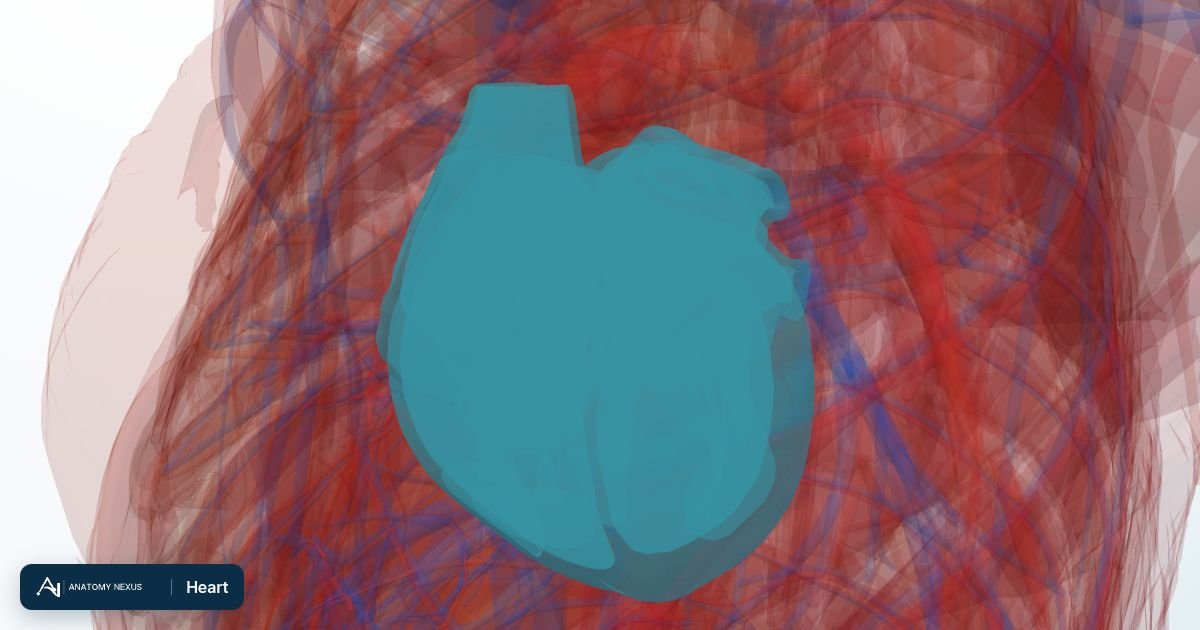
What it is
Open-heart surgery that routes blood around blocked coronary arteries using the patient's own vessels: the internal mammary artery from inside the chest wall is joined beyond the blockage in the left anterior descending artery, and lengths of leg vein or radial artery bridge from the aorta to the other vessels. Usually done on a heart-lung machine with the heart stopped.
Why it is done
- Left main stem or three-vessel coronary disease, particularly with diabetes or a weak ventricle
- Angina not controlled by medication where anatomy is unsuitable for stents
- Failed or complicated angioplasty
- Combined with valve surgery when both are needed
Before the procedure
- Coronary angiography and echocardiogram; carotid ultrasound; lung function, bloods, dental review
- Stop clopidogrel a few days before; continue aspirin
- General anaesthetic; arterial and central venous lines; urinary catheter
Step by step
- The sternum is split lengthways and the internal mammary artery harvested from the chest wall while the vein is taken from the leg
- Heparin is given and the heart-lung machine takes over circulation; the aorta is clamped and the heart arrested with cold potassium solution
- Each graft is sewn with fine sutures to the coronary artery beyond its blockage; vein grafts are then joined to the aorta
- The heart is restarted, the machine weaned off, and pacing wires and chest drains placed
- The sternum is closed with steel wires and the skin closed
Afterwards
- Intensive care overnight on a ventilator for a few hours, then the ward; 5-8 days in hospital
- Chest drains out in a day or two; pain from the sternum and leg wound
- Aspirin, statin, beta blocker; cardiac rehabilitation from about six weeks
Recovery
Six to twelve weeks off work, no driving for four weeks, no heavy lifting for three months while the sternum knits; full benefit at about three months. Arterial grafts last decades; vein grafts about half are narrowed by ten years.
Risks
- Death (around 1-2% electively, higher in emergencies and with other illness)
- Stroke (1-2%), heart attack, kidney injury
- Atrial fibrillation in a third (usually temporary)
- Wound infection, especially of the sternum in diabetes and obesity
- Bleeding needing a return to theatre; memory and concentration changes for some months
Alternatives
- Angioplasty and stents for suitable anatomy
- Optimal medical therapy
- Off-pump and minimally invasive bypass in selected cases