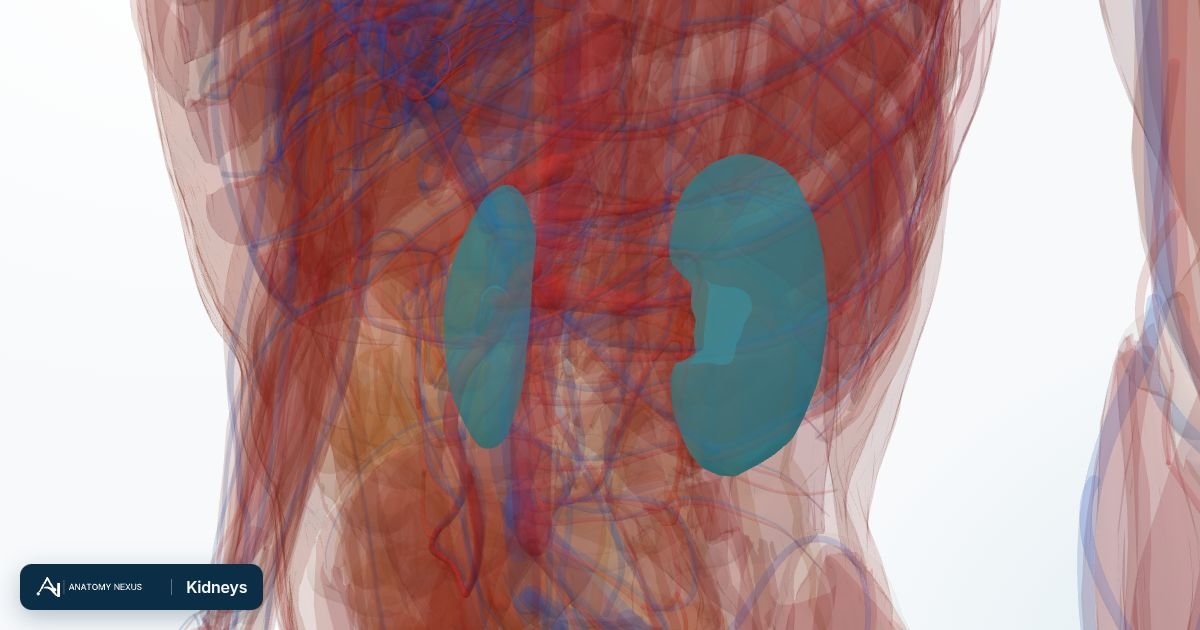
A powerful loop diuretic that makes the kidneys excrete salt and water within an hour, used to clear fluid overload in heart failure, kidney disease and liver disease.
Legal status differs between countries and can change; each row cites the document it was taken from and applies only to the country named.
What it is used for
Fluid overload in heart failure: breathlessness, swollen legs, fluid on the lungs (intravenous in emergencies)
Oedema from kidney disease (nephrotic syndrome) and liver cirrhosis (with spironolactone)
High blood pressure when kidney function is poor
Thiazide-like diuretics (indapamide, bendroflumethiazide) are the gentler relatives used for blood pressure
How it works in the body
Blocks the sodium-potassium-chloride co-transporter in the thick ascending limb of the loop of Henle, the segment that reabsorbs a quarter of all filtered sodium. Salt that stays in the tubule drags water with it, so urine output can rise several-fold within an hour. Potassium, magnesium and calcium are lost too, and the kidney compensates by activating the renin-angiotensin system.
Common side effects
Passing lots of urine, urgency (take in the morning)
Dizziness on standing, dehydration, thirst, cramps
Low potassium, sodium and magnesium; raised uric acid (gout) and glucose
Serious: seek help
Acute kidney injury from over-diuresis
Dangerous potassium or sodium disturbance and arrhythmia
Hearing loss (ototoxicity) with rapid high intravenous doses, especially with aminoglycosides
Collapse from low blood pressure in the frail
Cautions and interactions
Daily weights in heart failure guide the dose: a gain of 2 kg in 3 days often means more diuretic
Pause on sick days with vomiting or diarrhoea
Care with lithium, digoxin, NSAIDs, aminoglycosides
Severe low potassium or sodium, anuria, dehydration: do not use until corrected
Interactions
Check interactions
Taking Furosemide with other medicines? Add them to the checker to see what the official sources say about each pair: the mechanism, general management and monitoring, never a bare "safe".
Interactions documented in the official sources cited on each card. The list covers the medicines represented on this site and is not exhaustive; how the interaction data is compiled.
Loop diuretics such as furosemide can cause dehydration and reduce kidney function, increasing metformin accumulation and lactic acidosis risk, and can raise blood glucose.
Why it can occur
renal clearance
What official information says
UK information lists diuretics ('water tablets') among medicines to tell a doctor about when taking metformin.
What to discuss with a clinician
Documented; kidney function is monitored and metformin paused if dehydration develops.
Medicines that share the class of Furosemide. They are separate medicines with their own licences, doses and interactions, not alternative names for Furosemide.
Medicines often discussed alongside Furosemide: used together, compared with it, or acting on the same problem by a different route.
Educational content. Anatomy Nexus provides medical education and does not replace professional medical advice, diagnosis, treatment, prescribing or pharmacist review. Doses, choices and monitoring are decided by a prescriber for an individual; never start, stop or change a medicine on the basis of this page.