



Electrolytes
Sodium, potassium, calcium, magnesium, chloride and bicarbonate carry charge, set the water distribution between compartments and make nerves and muscles excitable.
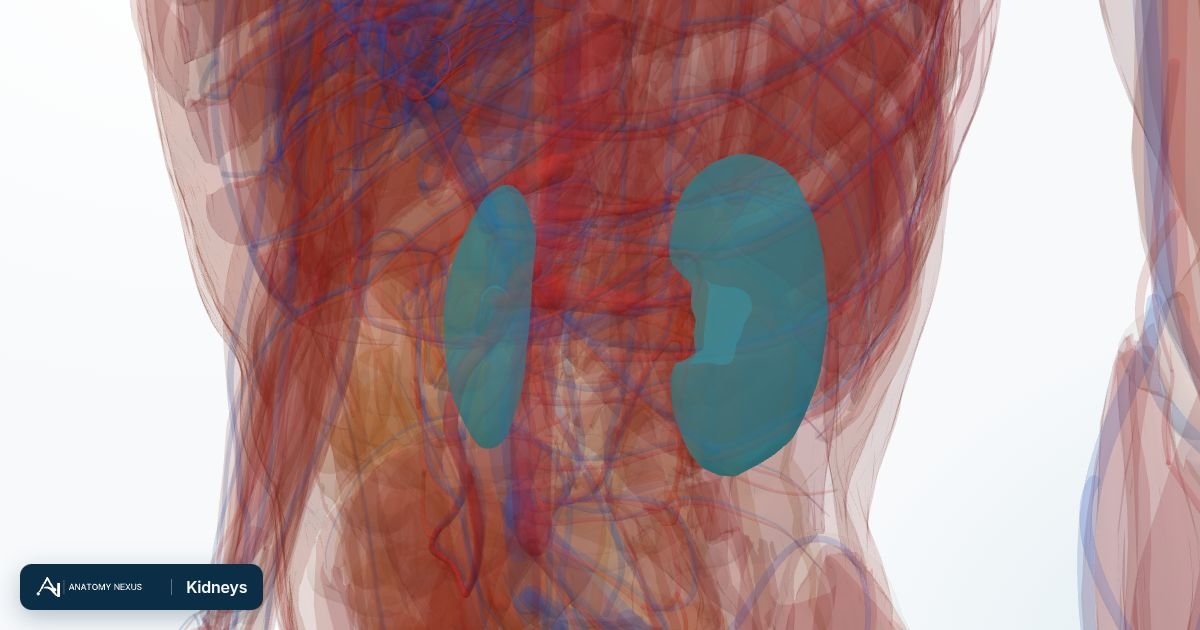
Sodium is the main ion outside cells and, with its water, sets blood volume; the kidneys and aldosterone keep its concentration near 140 mmol/L. Potassium is concentrated inside cells; its blood level, normally 3.5 to 5, must stay in a narrow band because both high and low values disturb the heart's rhythm.
Calcium is regulated by parathyroid hormone and vitamin D and is needed for muscle contraction, clotting and nerve signalling; low levels cause tingling and cramps, high levels stones, bone pain and confusion. Magnesium is a cofactor for hundreds of enzymes and follows potassium.
Vomiting, diarrhoea, diuretics, kidney disease and hormone disorders are the usual causes of imbalance, detected on a basic metabolic panel.
Key facts
| Fact | Value |
|---|---|
| Sodium (serum) | 135–145 mmol/L |
| Potassium (serum) | 3.5–5.0 mmol/L |
| Calcium (serum) | 2.2–2.6 mmol/L |