



Carbon dioxide removal and acid-base balance
Carbon dioxide, the waste of metabolism, is carried mostly as bicarbonate and breathed out; the balance between the two sets blood acidity.
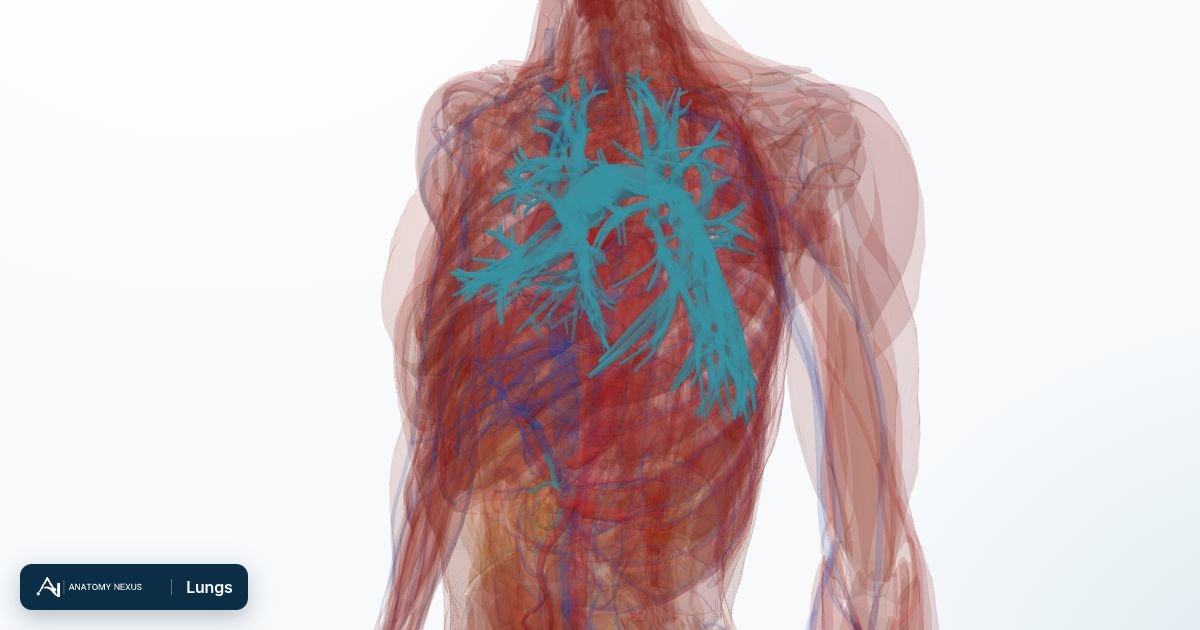
Tissues make about 200 ml of carbon dioxide a minute at rest. In the blood most of it reacts with water inside red cells to form bicarbonate and hydrogen ions; some binds to haemoglobin and a little dissolves. In the lungs the reaction reverses and the gas is exhaled.
Because carbon dioxide is an acid in solution, breathing controls blood pH within minutes: breathing faster lowers carbon dioxide and raises pH (respiratory alkalosis, as in panic-driven hyperventilation), breathing less does the opposite. The kidneys adjust bicarbonate over hours to days, giving a second, slower control.
Normal arterial pH is tightly held at 7.35 to 7.45. Diseases that trap air (COPD), drugs that suppress breathing (opioids) or metabolic crises (diabetic ketoacidosis) disturb this balance and are diagnosed with an arterial blood gas.
Key facts
| Fact | Value |
|---|---|
| Arterial pH | 7.35–7.45 |
| Arterial CO₂ partial pressure | 35–45 mmHg |
| CO₂ produced at rest | ≈200 ml/min |