



Hydration
Also known as: water intake, dehydration, fluids, drinking water
Water makes up about 60% of an adult's body and is the medium for every chemical reaction, the carrier for every nutrient and waste product, and the body's coolant. The kidneys and the thirst centre match intake to loss with remarkable precision; problems arise at the extremes: dehydration in heat, illness and old age, and, more rarely, drinking so much that sodium is diluted.
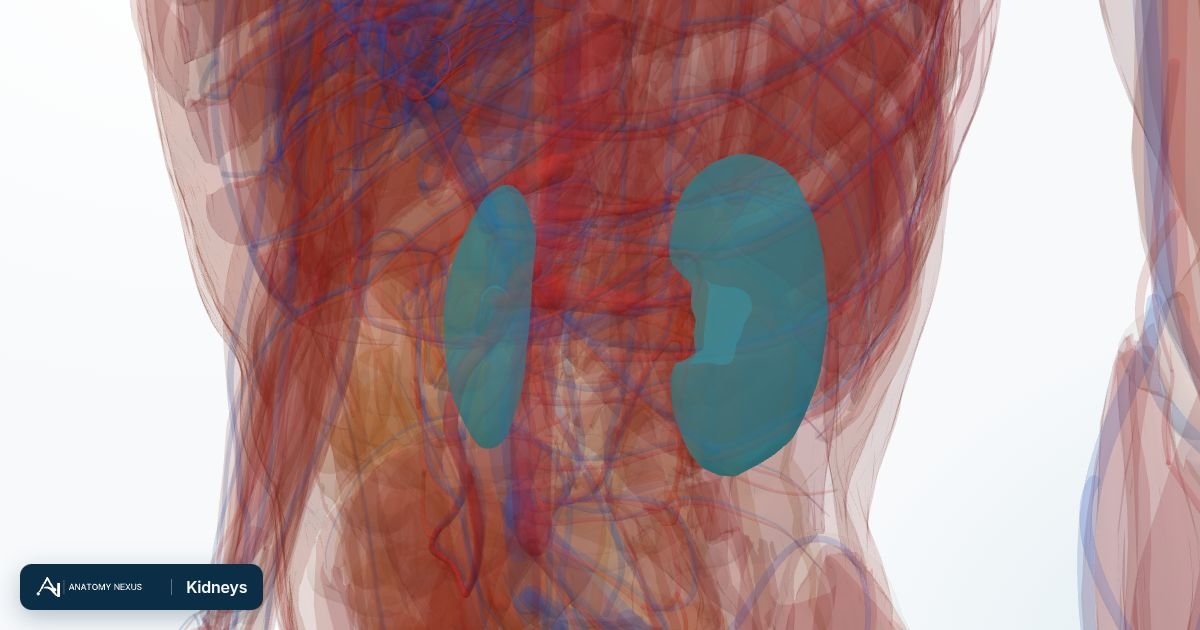
Water leaves the body as urine (about 1.5 litres a day), sweat, water vapour in breath and a little in stool: roughly 2-2.5 litres in temperate conditions, far more in heat or exercise. About 20% of intake comes from food; the rest from drinks of any kind, since tea, coffee and milk count. Osmoreceptors in the hypothalamus detect a rise in blood concentration of as little as 1-2% and trigger thirst and the release of antidiuretic hormone, which tells the kidney's collecting ducts to reabsorb water and concentrate the urine.
Mild dehydration (1-2% of body weight) causes thirst, dark urine, headache, tiredness and poorer concentration; moderate dehydration lowers blood pressure, speeds the heart and reduces urine output; severe dehydration causes confusion, kidney injury and collapse. Older people feel thirst less and have less kidney reserve, babies lose water fast through their large surface area and vomiting or diarrhoea, and both need watching in hot weather and illness.
Overdrinking is the rarer danger: drinking several litres in a short time, particularly during endurance events or with some psychiatric conditions and drugs, dilutes blood sodium (hyponatraemia), swelling brain cells and causing headache, confusion, seizures and death. Sports drinks with electrolytes are needed only for sustained exercise over about an hour; for everyone else, water is the right drink, and sugary drinks are the ones to cut.
Effects on the body
| System | Effect |
|---|---|
| Urinary | Adequate intake dilutes urine and halves the recurrence of kidney stones; concentrated urine irritates the bladder and favours infection |
| Nervous system | Dehydration impairs concentration, mood and reaction time and triggers headaches and migraine |
| Heart | Low volume drops blood pressure and causes dizziness on standing, especially with diuretics and in the elderly |
| Digestive | Fluid keeps stool soft; constipation worsens with dehydration |
| Skin | Sweating is the main heat loss mechanism and fails without water; heat illness follows |
Guidance
- Around 6-8 glasses (1.5-2 litres) of fluid a day for most adults, more in heat, exercise, fever, vomiting or diarrhoea, pregnancy and breastfeeding
- Use urine colour as the guide: pale straw is right, dark yellow means drink more; thirst is a late signal in older people
- Water, lower-fat milk and unsweetened tea or coffee are the best choices; limit fruit juice and smoothies to 150 mL a day and avoid sugary drinks
- In illness with vomiting or diarrhoea, small frequent sips of oral rehydration solution replace salts as well as water; seek help for a baby or older person who is not passing urine, is drowsy or has sunken eyes
- During prolonged exercise drink to thirst and include sodium; do not force fluids beyond that