



Biomarker · Blood cells
INR
Also known as: international normalised ratio, international normalized ratio, prothrombin ratio
The prothrombin time expressed as a standardised ratio, the number used to dose warfarin and to gauge the liver's production of clotting factors.
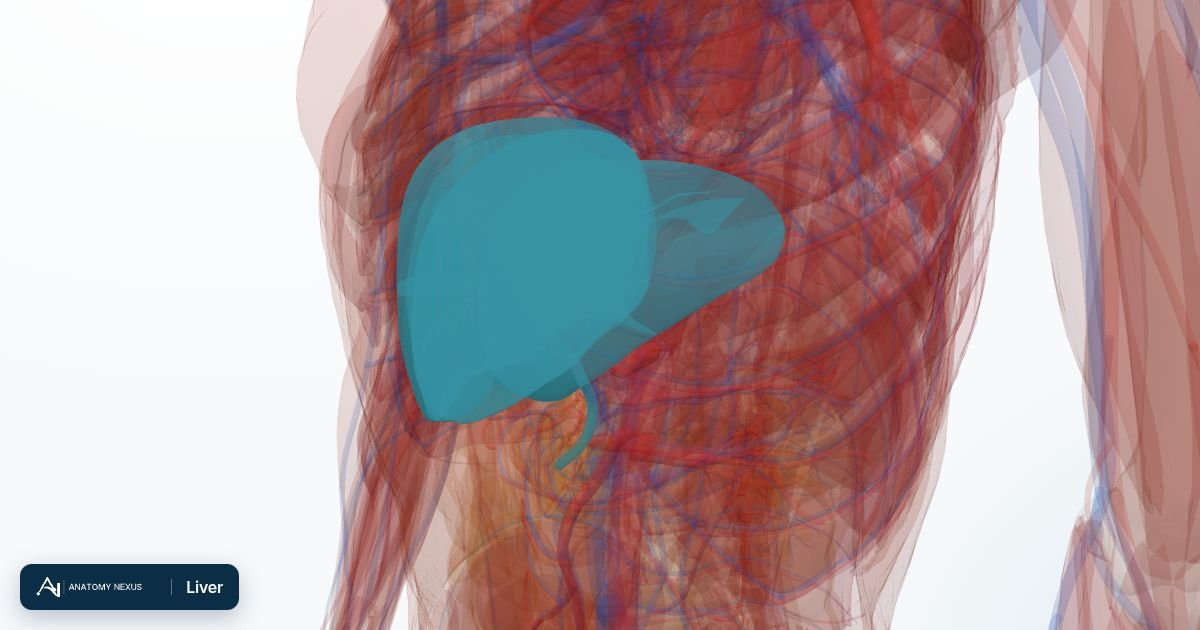
- Also known as
- international normalised ratio, international normalized ratio, prothrombin ratio
- Units
- Ratio (no unit)
- Measured by
- Prothrombin time and INR, Liver function tests
What it is and what it does
The INR standardises the prothrombin time so that a result means the same in every laboratory. It rises when the vitamin K-dependent clotting factors (II, VII, IX and X) fall, whether because warfarin blocks their activation or because a damaged liver makes less of them.
Why it may be higher
- Warfarin and other vitamin K antagonists
- Liver disease and failure
- Vitamin K deficiency, including in newborns and with malabsorption
- Disseminated intravascular coagulation
- Interacting medicines that potentiate warfarin
Why it may be lower
- A warfarin dose that is too low or doses missed
- High vitamin K intake
- Medicines that induce warfarin metabolism
A high or low value can be associated with several different situations. The result is interpreted with other results, symptoms, history and clinical findings.
What can affect the result
- An under-filled citrate tube
- Time between sampling and testing
- The reagent's sensitivity, corrected by the INR calculation
Reference ranges. On warfarin the INR is read against the person's individual target range; off anticoagulants a value near 1.0 is expected, but the interpretation belongs to the clinician.
Educational content. A biomarker page explains what a substance is and why its level can change. It cannot determine the cause of your result: interpret a result using the range supplied by the laboratory that performed the test, with the clinician who ordered it.