



Severe bleeding
Also known as: haemorrhage, major bleeding, tourniquet, pressure dressing, shock
An adult has about 5 litres of blood and can lose a fifth before the body's compensation fails; a severed artery can do that in minutes. Direct pressure on the wound is the single most effective measure, with a tourniquet for limb bleeding that pressure cannot control.
Emergency
Call emergency services (999 UK · 112 Europe · 911 North America) as soon as you recognise this, or have someone call while you act.
Recognise it
- Blood soaking through clothing or dressings, pooling, or spurting (arterial)
- Signs of shock as blood is lost: pale, cold, clammy skin, fast breathing, rapid weak pulse, thirst, confusion, then collapse
- Amputations and deep wounds of the neck, armpit or groin bleed catastrophically
What to do
- Protect yourself and callWear gloves if available. Call emergency services or have someone call while you act.
- Apply firm direct pressurePress hard on the wound with a pad, clean cloth or your hands, directly over the bleeding point. Do not lift it to look. If blood soaks through, add more on top and press harder.
- Pack deep woundsFor a deep wound in the neck, armpit or groin where a tourniquet cannot go, pack gauze or clean cloth tightly into the wound and keep pressing.
- Apply a tourniquet if a limb keeps bleedingIf direct pressure fails for a limb, or the bleeding is catastrophic, place a tourniquet (commercial, or improvised from a wide band and a stick to twist) 5-7 cm above the wound, not over a joint, and tighten until bleeding stops. Note the time. Do not loosen it.
- Treat for shockLie them down, raise the legs if injuries allow, keep them warm, and do not give food or drink. Keep pressing on the wound until help arrives.
- If they become unresponsiveCheck breathing; start CPR if not breathing normally.
Do not
- Do not remove a large embedded object: press around it instead
- Do not release pressure to check or change dressings
- Do not apply a tourniquet loosely or over a joint, and never remove one before medical care
- Do not give anything to drink
Get medical help when
- Any bleeding that soaks through a dressing, spurts, or comes from a deep or large wound
- Any wound with signs of shock, or in someone on blood thinners
Why it works: the anatomy
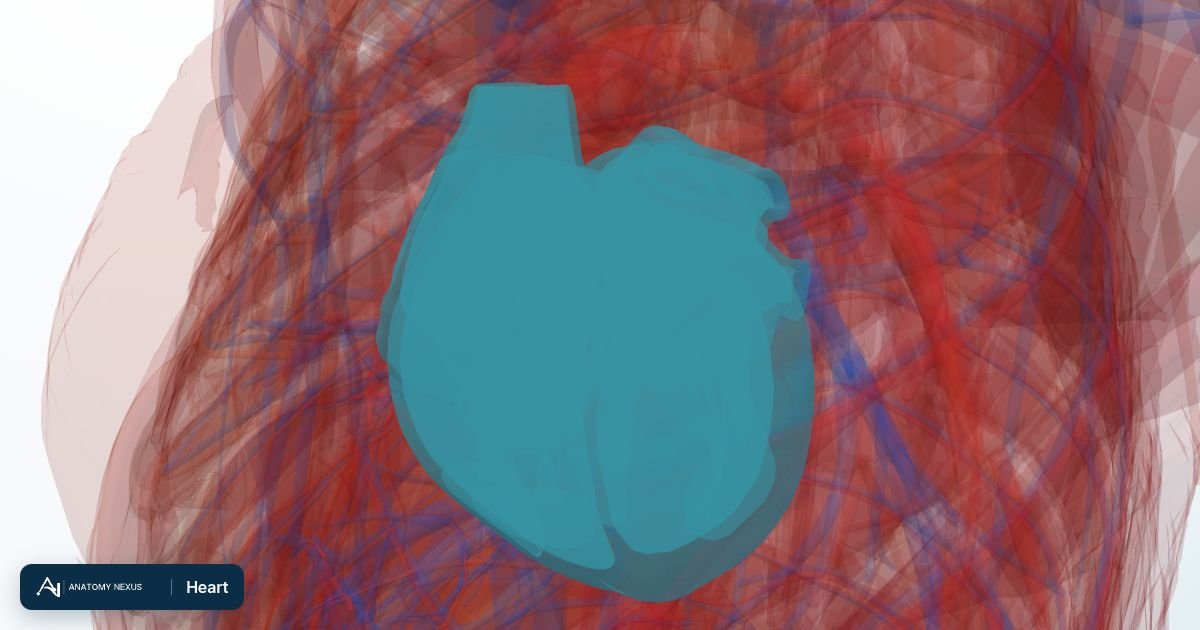
Pressure closes the vessel against underlying tissue and lets a clot form; arteries have muscular walls that contract but keep pumping at systolic pressure, so only sustained force stops them. A tourniquet compresses the artery against bone: the femoral and brachial arteries lie close to the femur and humerus, which is why limb tourniquets work. Shock is the failure to deliver oxygen once blood volume falls; the body diverts blood from skin (pale, cold) and speeds the heart to compensate.