


Stroke: recognise and act FAST
Also known as: FAST test, stroke first aid, mini-stroke, TIA
A blood vessel in the brain has blocked or burst. Around two million neurons die every minute the blockage persists, but clot-busting drugs and clot retrieval can reverse the damage if given within hours. There is nothing to do at the scene except recognise it and get an ambulance.
Emergency
Call emergency services (999 UK · 112 Europe · 911 North America) as soon as you recognise this, or have someone call while you act.
Recognise it
- Face: has it drooped on one side? Can they smile?
- Arms: can they raise both arms and keep them there?
- Speech: is it slurred, garbled or absent? Can they understand you?
- Time: call emergency services at once if any of these are present
- Also: sudden loss of vision, sudden severe headache, sudden numbness or weakness down one side, sudden confusion, loss of balance or a fall
What to do
- Call emergency servicesSay the word 'stroke' and the time the symptoms started (or when they were last seen well). The time decides which treatments are possible.
- Keep them safe and comfortableHelp them lie down with head and shoulders slightly raised, or on their side if drowsy or vomiting. Loosen tight clothing.
- Give nothing to eat or drinkSwallowing is often impaired and fluid can enter the lungs; they may need surgery or anaesthesia.
- Reassure and monitorTalk calmly even if they cannot reply. Note the time and any changes. If they become unresponsive and stop breathing normally, start CPR.
Do not
- Do not give aspirin: a bleeding stroke looks identical and aspirin would worsen it
- Do not let them 'sleep it off' or wait for symptoms to pass, even if they improve (a transient ischaemic attack is a warning of an imminent stroke)
- Do not give food, drink or their usual tablets
Get medical help when
- Any FAST sign, however brief, even if it has resolved
Why it works: the anatomy
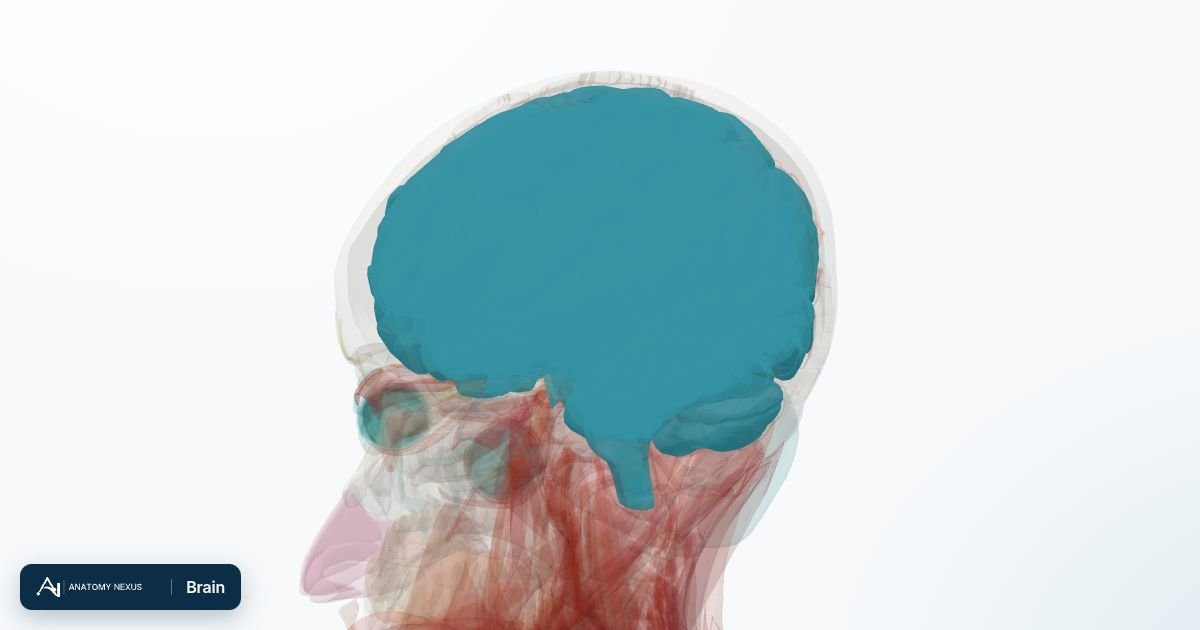
The middle cerebral artery supplies the face, arm and speech areas of the cortex, which is why FAST catches most strokes. Neurons deprived of oxygenated blood stop firing in seconds and die in minutes, but the surrounding 'penumbra' survives for hours on collateral flow and is what treatment saves. A thrombectomy retrieves the clot through a catheter from the femoral artery up to the brain.