



Heart attack
Also known as: myocardial infarction first aid, chest pain first aid
A coronary artery has blocked and heart muscle is dying. Survival and the amount of muscle saved depend on how fast the artery is reopened, so the first-aid job is recognition and a fast call, keeping the person still and calm, and being ready to start CPR.
Emergency
Call emergency services (999 UK · 112 Europe · 911 North America) as soon as you recognise this, or have someone call while you act.
Recognise it
- Central chest pain or pressure, like a tight band or heavy weight, lasting more than 15 minutes
- Pain spreading to the arms (usually left), jaw, neck or back
- Sweating, grey or pale skin, nausea, breathlessness, light-headedness
- Women, older people and people with diabetes more often have breathlessness, indigestion-like discomfort or extreme tiredness without classic pain
What to do
- Call emergency services immediatelySay you suspect a heart attack. Do not drive them to hospital yourself unless there is no ambulance service: an ambulance brings a defibrillator and can start treatment and alert the catheter lab.
- Sit them down and keep them stillA half-sitting position with knees bent and back supported (the 'W' position) eases the heart's work. Loosen tight clothing. Reassure them.
- Give aspirin if available and not allergicOne 300 mg tablet chewed slowly (or 4 x 75 mg). It begins to stop platelets clumping in the blocked artery. Do not give it if they are allergic or have been told not to take aspirin.
- Help with their own GTN sprayIf they have angina medication, help them take it as prescribed.
- Watch and be readyStay with them. If they become unresponsive and stop breathing normally, start CPR and send for a defibrillator.
Do not
- Do not let them walk about, eat, or 'see if it passes'
- Do not give aspirin to someone with a known allergy or bleeding problem, or to children
- Do not leave them alone
Get medical help when
- Chest pain or discomfort lasting more than 15 minutes, or shorter but with breathlessness, sweating, collapse or a known heart condition
Why it works: the anatomy
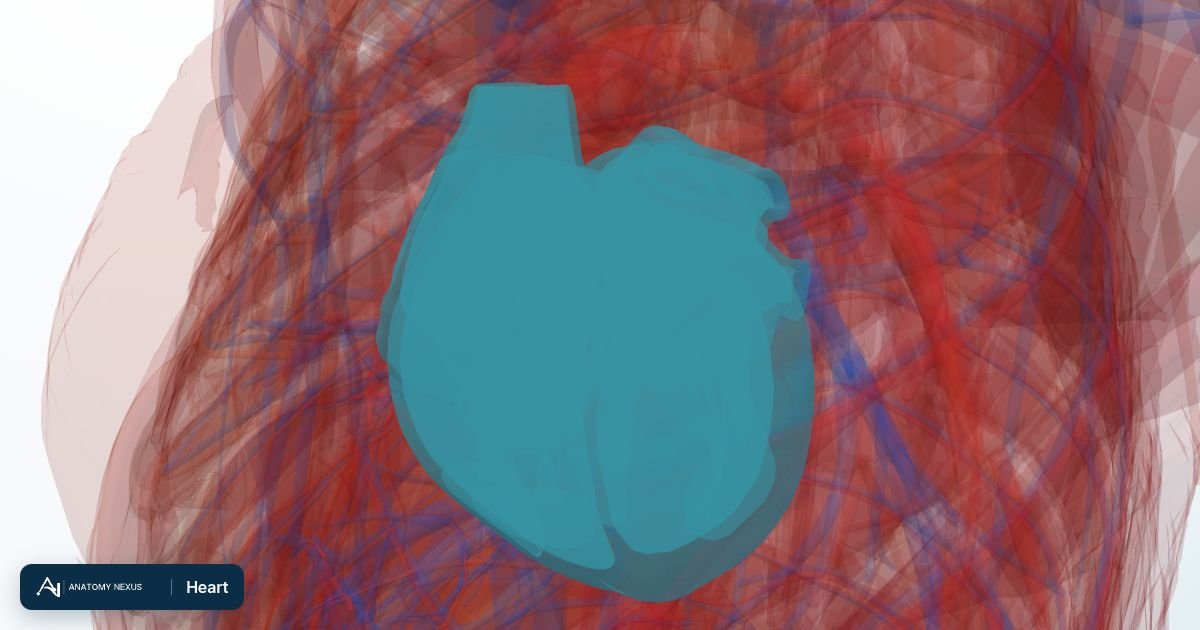
The coronary arteries branch off the aorta just above the aortic valve and run across the heart's surface. A ruptured plaque in one of them triggers a clot that blocks flow; muscle downstream is ischaemic within seconds and starts dying within 20-30 minutes. Chewed aspirin reaches platelets within minutes; angioplasty within 90-120 minutes of the call saves the most muscle.