



Seizures
Also known as: fit, convulsion, epileptic seizure, tonic-clonic seizure, febrile convulsion
A seizure is a burst of abnormal electrical activity in the brain. Most stop by themselves within a couple of minutes and the person needs protection from injury, not restraint. A seizure that lasts more than 5 minutes, or repeats without recovery, is a medical emergency.
Recognise it
- Tonic-clonic: sudden stiffening and collapse, then rhythmic jerking of limbs, possibly a cry, blue lips, frothing, tongue biting, incontinence; drowsiness and confusion afterwards
- Focal or absence seizures: staring, lip smacking, fumbling, unresponsiveness for seconds to minutes without falling
- Febrile convulsion: a seizure in a young child with a high temperature
What to do
- Protect from harmNote the time. Clear hard or sharp objects away, cushion the head with something soft, loosen tight clothing around the neck. Do not move them unless in danger.
- Do not restrain or put anything in the mouthHolding limbs can injure them; objects in the mouth break teeth and block the airway. They cannot swallow their tongue.
- When the jerking stopsRoll them into the recovery position to keep the airway clear. Check breathing. Stay with them, speak calmly and reassure them as they come round; confusion may last 20 minutes or more.
- Give emergency medication if prescribed and you are trainedSome people carry buccal midazolam or rectal diazepam with a care plan for prolonged seizures.
- AfterwardsLet them rest. Someone with known epilepsy who recovers fully does not usually need an ambulance.
Do not
- Do not hold them down or try to stop the movements
- Do not put anything in the mouth
- Do not give food or drink until fully recovered
- Do not leave them alone until fully alert
Get medical help when
- A seizure lasting more than 5 minutes, or one seizure after another without recovery
- First ever seizure, seizure in water, injury, difficulty breathing after the seizure, or pregnancy
- Not regaining consciousness, or the person is known to have diabetes (check glucose)
- A febrile seizure in a child lasting more than 5 minutes, or any first febrile seizure
Why it works: the anatomy
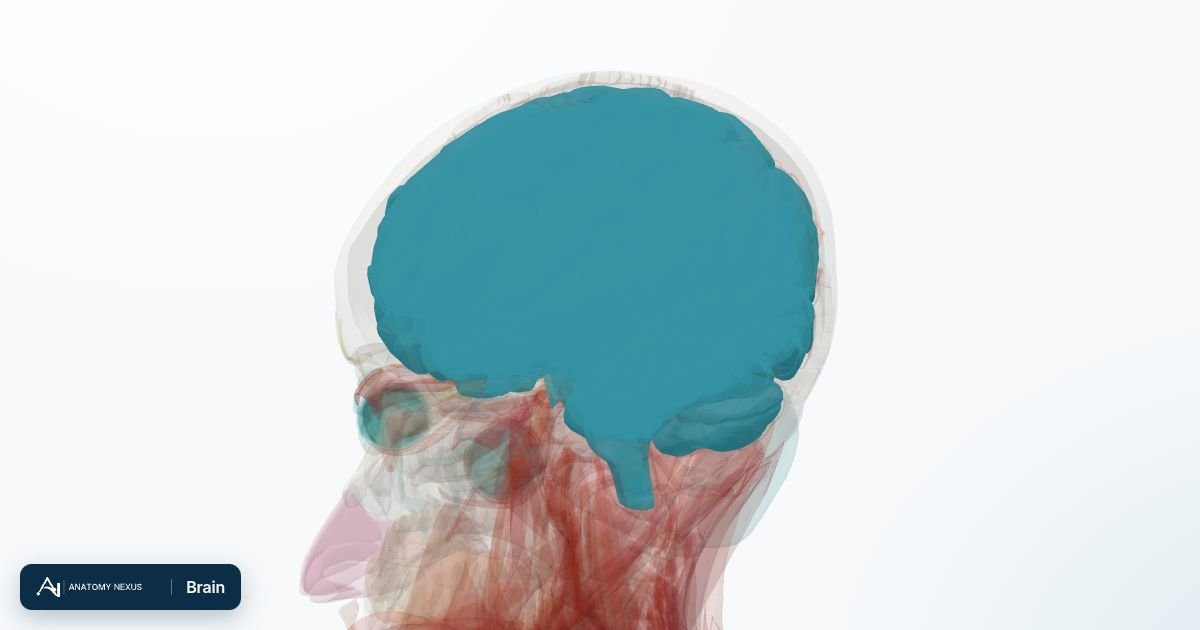
Neurons in the cortex fire in synchronous waves that spread across both hemispheres; the motor cortex drives the stiffening and jerking, and the brainstem's breathing drive is interrupted, which is why lips go blue. Neurons exhaust their energy stores within minutes, ending most seizures; beyond 5 minutes the mechanisms that stop them are failing (status epilepticus) and brain injury becomes likely without drugs that boost GABA inhibition, such as midazolam.