



Ambulatory ECG monitoring
Also known as: 24-hour ECG, ambulatory ECG, event recorder, loop recorder, patch monitor
A portable recorder worn for 24 hours to two weeks (or an implanted loop recorder for up to three years) that captures the heart's rhythm during normal life, catching the intermittent arrhythmias a ten-second ECG misses.
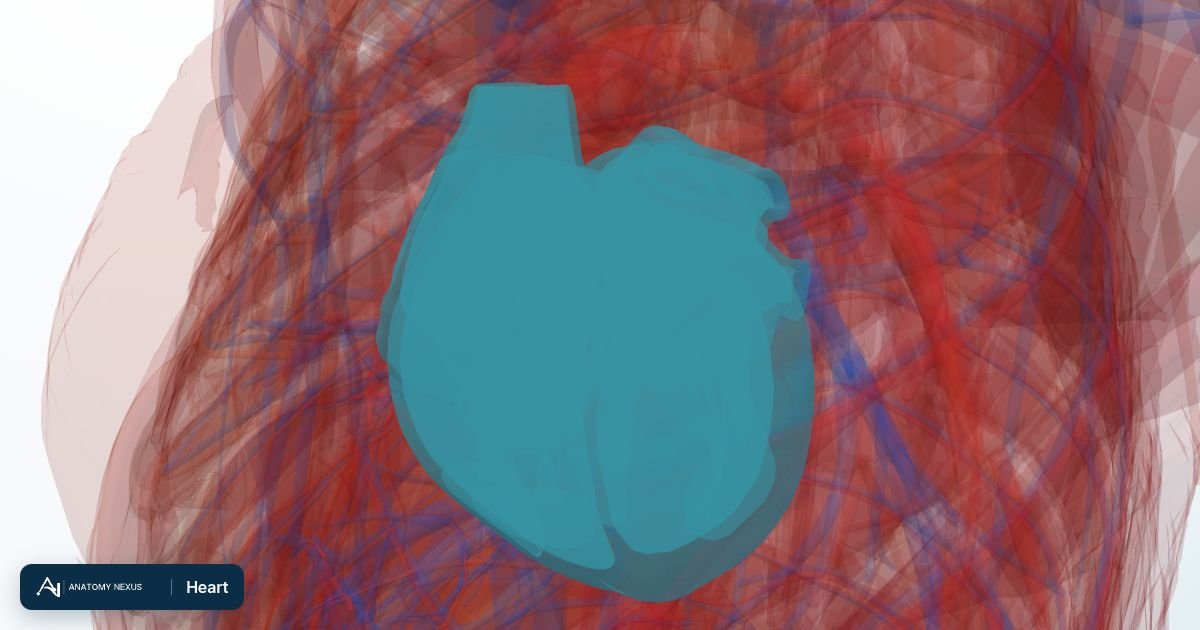
- Kind
- Physiological or functional test
- Categories
- Cardiovascular
- Specimen
- No specimen
- Method
- Electrophysiological recording
What it measures
| Measure | What it tells you |
|---|---|
| Rhythm over time | Every beat is recorded and analysed; runs of atrial fibrillation, pauses and extra beats are counted. |
| Symptom correlation | The wearer presses a button or keeps a diary so symptoms can be matched to the tracing at that moment. |
| Heart rate range | Slowest and fastest rates, including during sleep. |
Why it is ordered
- Palpitations that come and go
- Unexplained blackouts or falls
- Looking for atrial fibrillation after a stroke
- Checking a pacemaker or drug treatment is controlling a rhythm
- Suspected heart block
How it is done
Three to five chest electrodes lead to a small recorder on a belt, or a single adhesive patch; normal activities continue except bathing. Implantable recorders are injected under the skin of the chest.
Preparation. None; keep a symptom diary.
Reading the result
| Finding | Usual meaning |
|---|---|
| Palpitations coincide with atrial fibrillation | Diagnosis made; consider anticoagulation and rate or rhythm control |
| Pause of more than 3 seconds with dizziness | Symptomatic bradycardia; likely pacemaker |
| Symptoms with normal rhythm | Palpitations are not due to an arrhythmia; reassuring |
Reference ranges vary by laboratory, method, age, sex and clinical context; a result is read against the person, not a table.
Limitations
Only useful if symptoms occur during the recording; rare events need longer monitoring or an implanted device.
Catalogued concepts this page covers
Concepts of the master test taxonomy that resolve to this page; each links to its category.