



Chest masculinisation (top surgery)
Also known as: top surgery, chest masculinization, gender-affirming mastectomy, subcutaneous mastectomy, double incision mastectomy, chest reconstruction
Removal of most of the breast tissue and excess skin, with resizing and repositioning of the nipples, to give a flat chest with a male contour; a common gender-affirming operation for trans men and non-binary people assigned female at birth. It is not the same as a mastectomy for cancer: a thin layer of tissue is deliberately left for an even contour, so a small amount of breast tissue remains. The complementary operation for trans women, breast augmentation, places implants under or over the pectoralis major once oestrogen-driven breast growth has settled. Gender incongruence is not a mental illness: the World Health Organization classifies it under conditions related to sexual health, and chest surgery is one option that some, not all, trans people choose.
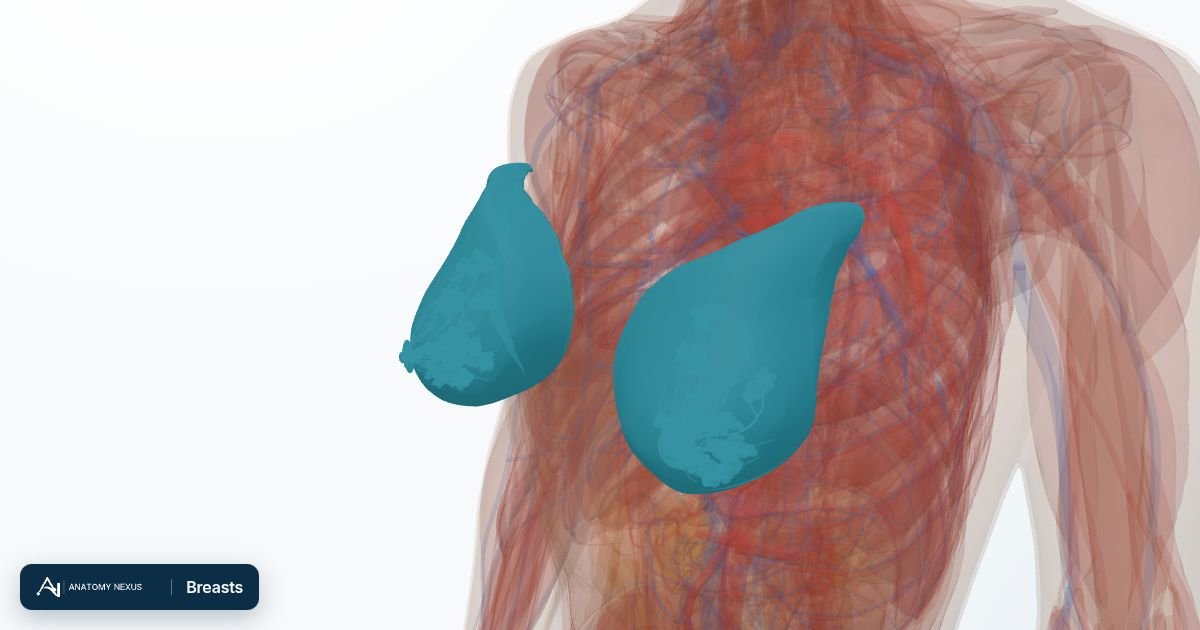
What it is
Removal of most of the breast tissue and excess skin, with resizing and repositioning of the nipples, to give a flat chest with a male contour; a common gender-affirming operation for trans men and non-binary people assigned female at birth. It is not the same as a mastectomy for cancer: a thin layer of tissue is deliberately left for an even contour, so a small amount of breast tissue remains. The complementary operation for trans women, breast augmentation, places implants under or over the pectoralis major once oestrogen-driven breast growth has settled. Gender incongruence is not a mental illness: the World Health Organization classifies it under conditions related to sexual health, and chest surgery is one option that some, not all, trans people choose.
Why it is done
- Gender incongruence in trans men and non-binary people who want a flat, masculine chest, after assessment under the WPATH Standards of Care; hormone therapy is not a prerequisite
- Relief from long-term chest binding, which can cause skin damage, rib and back pain and restricted breathing
- Breast augmentation for trans women whose breast growth on oestrogen is less than they want, usually judged once growth has largely stopped, which commonly takes two to three years of hormone therapy
Before the procedure
- Assessment by a gender identity service following the WPATH Standards of Care: a settled decision and capacity to consent; testosterone is not required, although many people are taking it
- Stopping smoking, which impairs nipple graft and wound healing, and weight optimised; breast imaging (mammography or ultrasound) beforehand where the surgeon's protocol or age, a family history of breast cancer or a lump warrants it
- Choice of technique from chest size and skin elasticity: periareolar or keyhole for small chests with elastic skin, double incision with free nipple grafts for larger chests or loose skin
- Markings made standing; fasting; general anaesthetic; antibiotics at induction and clot-prevention measures
Step by step
- Double incision: a curved incision along the lower border of each breast, following the line of the pectoral fold; the breast tissue and excess skin are lifted off the fascia of pectoralis major and removed, leaving a thin even layer of fat for a natural contour
- Liposuction blends the edges and the axillary tail into the chest wall and armpit
- Each nipple-areola complex is removed, trimmed to a smaller male size and replaced as a free graft lower and further out on the chest, held with a tie-over dressing; the graft has no blood or nerve supply of its own and must take from the bed beneath
- Keyhole: a short incision at the lower border of the areola through which the tissue is removed, with no skin excised, for a small chest with elastic skin
- Periareolar: an incision around the whole areola, with a ring of skin removed and a purse-string suture tightening the skin around it; in both the nipple stays on its own blood and nerve supply
- Drains are placed, the incisions closed in layers and a compression binder or dressing applied
- Breast augmentation (trans women): through an incision under the breast, around the areola or in the armpit, a pocket is made under or over pectoralis major and a silicone or saline implant placed
Afterwards
- Home the same day or after one night; drains removed within days; nipple graft dressings left undisturbed for about a week
- A compression binder worn for about 4-6 weeks; no lifting, reaching overhead or vigorous exercise during that time
- Nipple grafts look dark and crusted at first and take weeks to settle; sensation in grafted nipples is largely lost and does not fully return, whereas periareolar and keyhole techniques, which keep the nipple on its own nerve supply, more often preserve some sensation, although it may still be reduced
- Scar care (massage, sun protection, silicone tape as advised); a lump or change in the remaining tissue still needs assessment, and screening advice afterwards is individual
- The tissue removed is sent for examination under the microscope; an unexpected abnormality is uncommon but is followed up in the usual way
Recovery
Desk work within 1-2 weeks and full activity by about 6 weeks; swelling settles over months and the scars fade and mature over about a year. Chest wall sensation is altered for months, and grafted nipples usually stay numb.
Risks
- Haematoma (blood collecting under the skin, the main early complication) and seroma (fluid), sometimes needing drainage
- Infection and delayed wound healing, more likely in smokers
- Partial or complete loss of a nipple graft, loss of pigment, or a nipple of unexpected shape or position
- Loss of nipple sensation (expected with free grafts), scarring and keloid, asymmetry and bunching of skin at the ends of the scars ('dog ears'), with revision surgery sometimes needed
- Residual breast tissue: chest surgery lowers but does not remove the possibility of breast cancer, so any new lump, skin change or nipple change still needs assessment, and screening advice after surgery is decided individually
Alternatives
- Chest binding with a purpose-made binder, with limits on hours, regular breaks and never while sleeping, to reduce skin, rib and breathing problems
- Hormone therapy and social transition without surgery; not everyone wants surgery
- Liposuction alone for small chests made up mainly of fat
- For trans women: prosthetic breast forms, fat transfer, or continuing oestrogen, since breast growth continues for two to three years