



Biomarker · Other hormones
25-hydroxyvitamin D
Also known as: vitamin D, 25-OH vitamin D, calcidiol
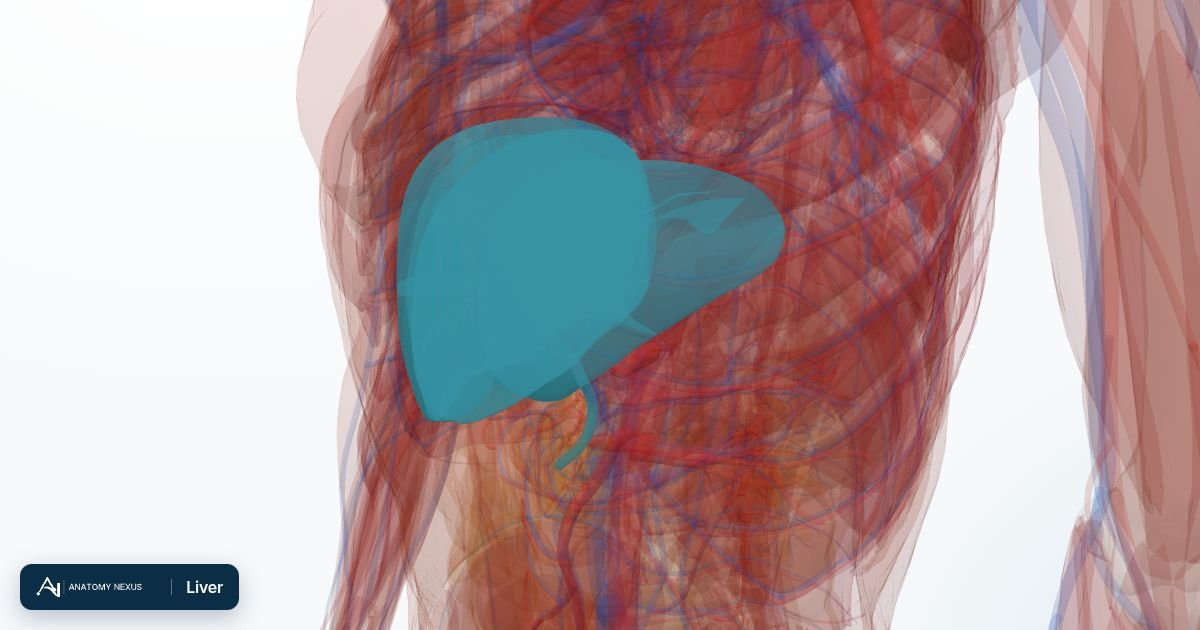
The storage form of vitamin D that the liver makes, the best single measure of vitamin D status and the value the vitamin D test reports.
- Also known as
- vitamin D, 25-OH vitamin D, calcidiol
- Units
- nmol/L or ng/mL
- Measured by
- Vitamin D test
What it is and what it does
Vitamin D made in the skin by sunlight or taken in food is converted in the liver to 25-hydroxyvitamin D, which circulates for weeks; the kidney then activates a small fraction to calcitriol, the hormone that raises calcium absorption from the gut. The 25-hydroxy form is measured because it reflects the body's supply.
Why it may be higher
- Excess supplements (rarely, causing high calcium)
Why it may be lower
- Little sun exposure, darker skin, covering clothing, winter at high latitude
- Low intake and malabsorption
- Obesity, older age, chronic kidney and liver disease
- Some antiepileptics and other medicines
A high or low value can be associated with several different situations. The result is interpreted with other results, symptoms, history and clinical findings.
What can affect the result
- Season and latitude
- The assay method, which changes results between laboratories
- Recent high-dose supplements
Reference ranges. Read against deficiency and adequacy cut-offs that differ slightly between guidelines, reported by the laboratory; not a population reference interval.
Educational content. A biomarker page explains what a substance is and why its level can change. It cannot determine the cause of your result: interpret a result using the range supplied by the laboratory that performed the test, with the clinician who ordered it.