



Biomarker · Iron & vitamins
Vitamin B12
Also known as: cobalamin, serum B12
The vitamin, absorbed with intrinsic factor in the last part of the small intestine, that the marrow needs to make red cells and nerves need to keep their myelin.
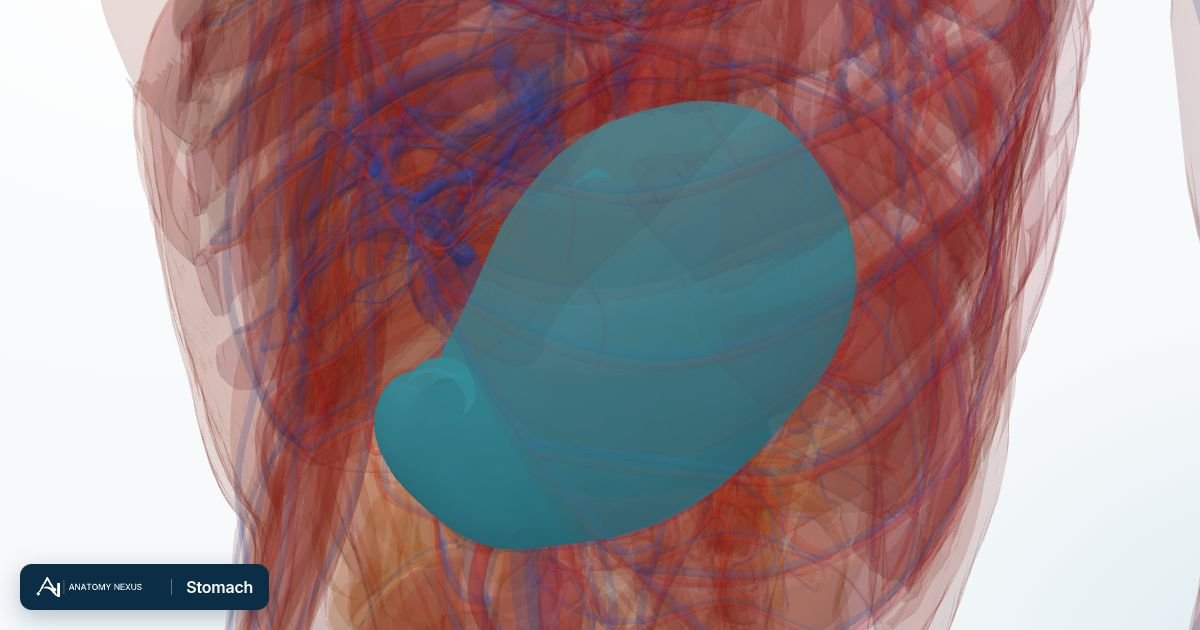
- Also known as
- cobalamin, serum B12
- Units
- ng/L (pg/mL) or pmol/L
- Measured by
- Vitamin B12 and folate, Full blood count
What it is and what it does
Vitamin B12 comes from animal foods and fortified products, is absorbed in the terminal ileum after binding to intrinsic factor made by the stomach, and is stored in the liver for years. Deficiency causes anaemia with large red cells and, independently, damage to peripheral nerves and the spinal cord.
Why it may be higher
- Supplements and injections
- Liver disease
- Some blood disorders
Why it may be lower
- Pernicious anaemia (autoimmune loss of intrinsic factor)
- Vegan diets without supplementation
- Stomach or ileal surgery, Crohn's disease, coeliac disease
- Long-term metformin, proton-pump inhibitors or H2 blockers
- Pregnancy and oral contraceptives (a measurement effect)
A high or low value can be associated with several different situations. The result is interpreted with other results, symptoms, history and clinical findings.
What can affect the result
- Recent supplements mask deficiency
- A wide borderline zone between clearly low and clearly normal
- Assay interference in some people with intrinsic-factor antibodies
Reference ranges. Read against the laboratory's interval; a borderline result is interpreted with symptoms, the blood count and sometimes further markers.
Educational content. A biomarker page explains what a substance is and why its level can change. It cannot determine the cause of your result: interpret a result using the range supplied by the laboratory that performed the test, with the clinician who ordered it.