



Angiotensin-converting enzyme (ACE)
Also known as: ACE, kininase II, peptidyl dipeptidase A
The enzyme on the surface of blood-vessel lining cells, above all in the lungs, that converts inactive angiotensin I into angiotensin II and also breaks down bradykinin. ACE inhibitors (lisinopril, ramipril) block it, lowering blood pressure and protecting the heart and kidneys.
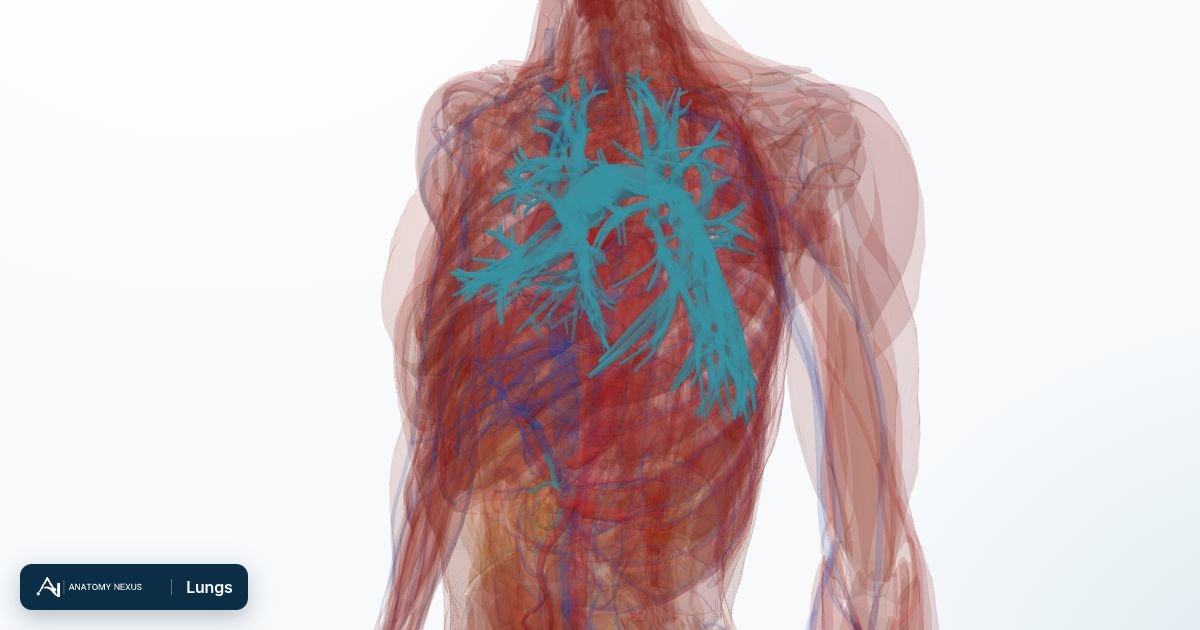
- Kind
- enzyme
- Also called
- ACE, kininase II, peptidyl dipeptidase A
- Where it is found
- The luminal surface of endothelial cells lining blood vessels, particularly the pulmonary capillaries; also kidney tubules, gut, brain and testis.
What it does
Renin from the kidney clips angiotensinogen into angiotensin I, which is inactive until ACE removes two amino acids to make angiotensin II. ACE sits on endothelial cells throughout the circulation, most densely in the pulmonary capillaries, so a single pass through the lungs activates the hormone. The same enzyme inactivates bradykinin, a peptide that widens vessels and, in the airways, irritates cough receptors. Inhibiting ACE therefore lowers angiotensin II (less constriction, less aldosterone, lower glomerular pressure) and raises bradykinin (extra vasodilation, but also the dry cough that affects around one in ten people and the rare but dangerous swelling of angioedema). Because angiotensin II can still be made by other enzymes, ARBs that block the receptor itself are the alternative when the cough is intolerable.
Role in the body
Activation of the renin–angiotensin system (angiotensin II production) and inactivation of bradykinin.