



Androgens
Also known as: anabolic androgenic steroids (misuse), testosterone preparations, androgenic hormones, masculinising hormones
Steroid hormones that act on the androgen receptor. Testosterone in its various forms replaces the testes' output in hypogonadism and masculinises the body in gender-affirming therapy for trans men and non-binary people; the same molecules misused at high doses for muscle building are the anabolic steroids.
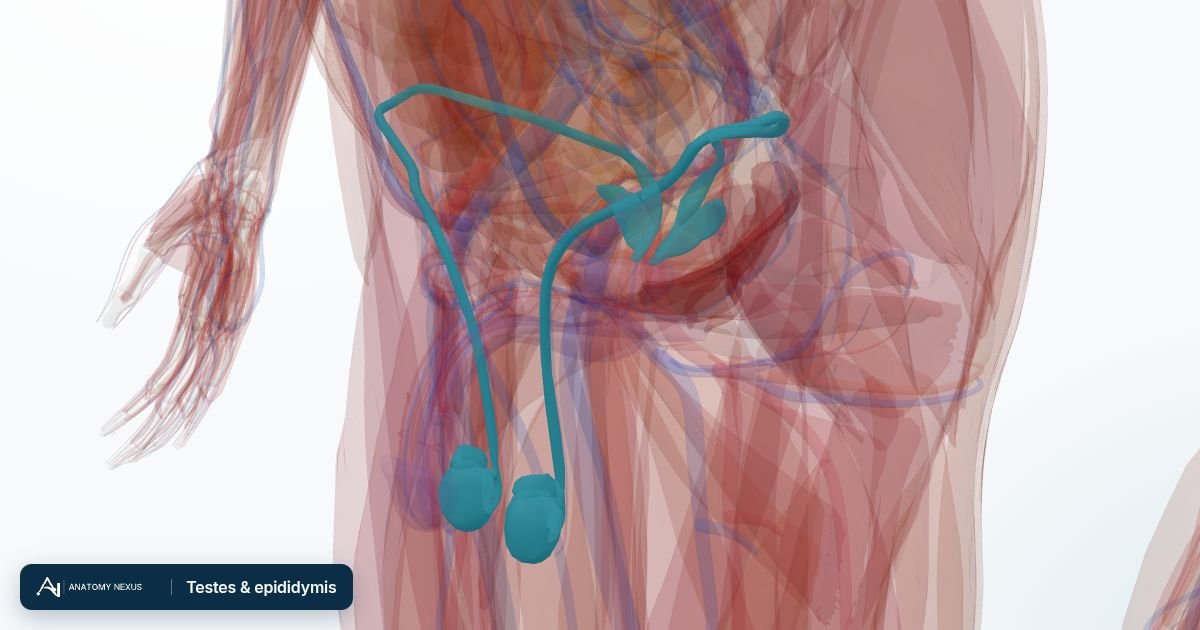
- Biological target
- Androgen receptor
- Also called
- anabolic androgenic steroids (misuse), testosterone preparations, androgenic hormones, masculinising hormones
Mechanism of action
Androgens enter cells and bind the androgen receptor, a nuclear receptor that changes gene expression. In prostate, skin and hair follicles 5-alpha-reductase converts testosterone to the more potent dihydrotestosterone, and in fat, bone and brain aromatase converts some to oestradiol. UK practice uses testosterone itself in different forms: gel or patch, injected oil-based esters, implants and capsules. Anti-androgens block the receptor (spironolactone and cyproterone acetate in feminising therapy, bicalutamide in prostate cancer); finasteride and other 5-alpha-reductase inhibitors cut dihydrotestosterone.
Members of the class
Members with a page on this site are linked.
Conditions treated
Class effects
- Virilisation: deeper voice, facial and body hair, clitoral enlargement and cessation of periods in people assigned female at birth, wanted in masculinising therapy and in part irreversible
- Acne and oily skin, scalp hair loss in those predisposed, fluid retention, weight gain and mood change
- Erythrocytosis (raised haemoglobin and haematocrit), more marked with injections
- Prostate enlargement and a rise in PSA in men; suppression of sperm production and testicular shrinkage
Cautions
- Contraindicated in prostate cancer and male breast cancer, and in pregnancy and breastfeeding
- Haematocrit is monitored: erythrocytosis thickens the blood and raises clot risk, and the dose or interval is reduced if it climbs
- Used with care in heart failure, hypertension, sleep apnoea and kidney or liver disease because of fluid retention; older oral (17-alkylated) androgens damage the liver
- Gel can transfer to partners and children through skin contact
- Testosterone is not contraception in trans men and non-binary people, and anyone with a cervix still needs cervical screening
- Anabolic steroid misuse for muscle building harms the heart, liver, fertility and mood, and in women causes irreversible virilisation
Class warnings
- Androgens raise the red cell mass; haemoglobin and haematocrit are checked before treatment and at intervals, and the dose or dosing interval is reduced if erythrocytosis develops. UK
- Testosterone is contraindicated in men with prostate cancer or breast cancer; prostate examination and PSA are part of assessment and follow-up in older men. UK
Class interactions
| With | Effect | Source |
|---|---|---|
| Warfarin and other coumarin anticoagulants | Androgens enhance the anticoagulant effect; INR is monitored more closely. | UK |
| Insulin and other blood-glucose-lowering medicines | Androgens can lower blood glucose, so requirements may fall. | UK |
Open the Drug Interaction Checker