



Testicle lumps and swelling: what to check
The NHS says to check your testicles monthly for changes; a lump or swelling needs a GP visit, and sudden severe pain needs A&E or 999.
Key points
- The NHS suggests checking your testicles about once a month, during or just after a warm bath or shower.
- A healthy testicle feels smooth and firm, and one being slightly bigger or lower than the other is common.
- The NHS says to book a GP appointment for a lump, swelling, change in shape or feel, or an ache that does not go away.
- Most lumps have causes other than cancer, such as hydroceles, cysts, varicoceles or epididymitis.
- Sudden, severe testicle pain is an emergency: the NHS says to go to A&E or call 999.
- Testicular cancer is one possible cause of a lump, and the NHS describes it as rare.
How do men check their testicles?
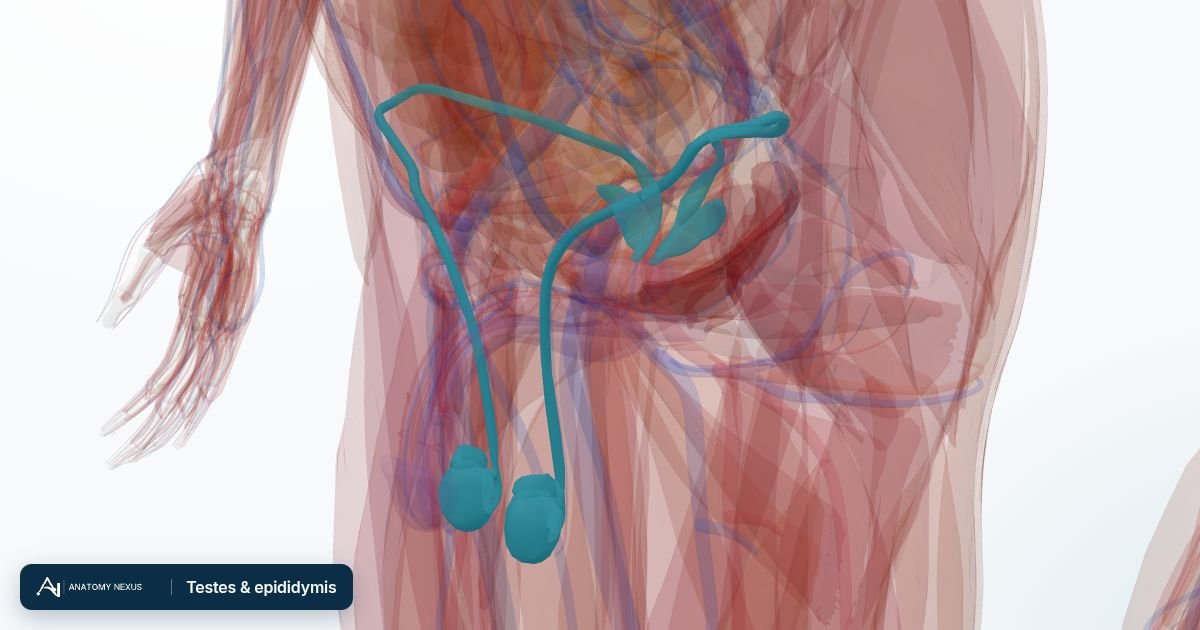
The NHS suggests checking your testicles about once a month, during or just after a warm bath or shower. Some sources explain that the skin over the testicles is most relaxed then, so lumps are easier to feel. The testicles sit inside the scrotum, the bag of skin below the penis.
The NHS also describes feeling the tube at the back of each testicle, called the epididymis. It carries sperm, and it is normal for it to feel a little tender when touched.
What should normal testicles feel like?
The NHS says a healthy testicle feels smooth and firm. It is common for one testicle to be slightly bigger than the other, or to hang lower.
The epididymis at the back of each testicle can feel tender, and this is normal. Mild differences in size or position between the two sides are also described as common.
Which changes are worth noticing?
The NHS lists several changes to look out for. These include a lump in a testicle, a swollen testicle, or a change in the shape or feel of a testicle. One testicle becoming bigger than the other can also be a change worth noting. So can an ache or pain in a testicle or the scrotum that does not go away. A scrotum that feels heavy, firm or hard is on the same list. The main sign of testicular cancer is often a painless lump or swelling in a testicle.
What else can cause a lump or swelling?
The NHS says most lumps and swellings in the testicles turn out to have causes other than cancer. It names several common ones, including varicoceles, hydroceles, epididymal cysts and epididymitis. MedlinePlus, a US health encyclopaedia, also lists a hernia among the causes of scrotal swelling.
A hydrocele is a swelling of the scrotum caused by a build-up of fluid. A varicocele is a soft lump that develops slowly above the testicle, usually on the left side. An epididymal cyst is a small, smooth, fluid-filled swelling that develops slowly in the epididymis. A hospital urology service says benign swellings generally only need surgery if they cause significant symptoms.
Epididymitis happens when the epididymis becomes swollen and painful, often because of an infection. The NHS says it is usually treated with antibiotics. It adds that in men under 35 the cause is usually a sexually transmitted infection, while in men over 35 it is more often a urine infection. NHS inform also describes epididymo-orchitis, where the testicle is involved as well, and links it to bacterial infections such as urine infections and sexually transmitted infections, and to mumps.
When should you see a GP?
The NHS says to make a GP appointment if you notice a lump or swelling in a testicle. The same goes for a change in the shape or feel of a testicle, or one testicle becoming bigger than the other. An ache that does not go away is also a reason to book an appointment. The NHS still wants these changes checked, even though most turn out not to be cancer.
A GP will examine the testicles and may arrange an ultrasound scan. An ultrasound scan will usually tell benign swellings apart from cancerous ones, according to a UK hospital trust.
Is sudden severe testicle pain an emergency?
Yes, the NHS treats sudden, severe pain in a testicle as an emergency. It can be a sign of testicular torsion, where the testicle twists and the blood supply to it is cut off. Torsion needs surgery as soon as possible. The NHS route is to go to A&E or call 999, rather than waiting to see a GP.
NHS guidance also lists testicle pain together with feeling sick, being sick or tummy pain, or pain that has lasted more than an hour, as reasons to go to A&E or call 999. The NHS epididymitis page adds that a sudden swelling with severe pain should go straight to A&E, because it is important to make sure it is not torsion.
Could it be testicular cancer?
Testicular cancer is one possible cause of a lump or swelling, and NHS sources describe it as rare. Its main signs are the same ones described above, such as a lump, swelling, or a heavy, firm or hard scrotum. NHS inform says it tends to affect men between 15 and 49 years of age. Cancer Research UK estimates that fewer than four in every 100 testicular lumps are cancerous.
Cancer Research UK says that depending on the symptoms and other factors, a GP may make an urgent referral to a specialist. The NHS says a referral does not definitely mean you have cancer. Most lumps are not cancer, but a GP is the person to check any lump or swelling.
More guides and news
- Travelling with medicines: what the NHS says Guide · 3 November 2026
- Stroke and TIA: spotting the signs Guide · 3 November 2026