



Testicular cancer
Also known as: cancer of the testicle, testicle cancer, testis cancer, germ cell tumour of the testis
Testicular cancer is a cancer that starts in a testicle, one of the two glands in the scrotum.
When to seek care
The NHS advises seeing a GP about a lump or swelling in one or both testicles, or a testicle that is getting bigger. A GP appointment is the usual route, and the GP can arrange an urgent hospital referral if cancer is possible. Most lumps turn out to have other causes, but any new lump, swelling or unusual pain is worth having assessed.
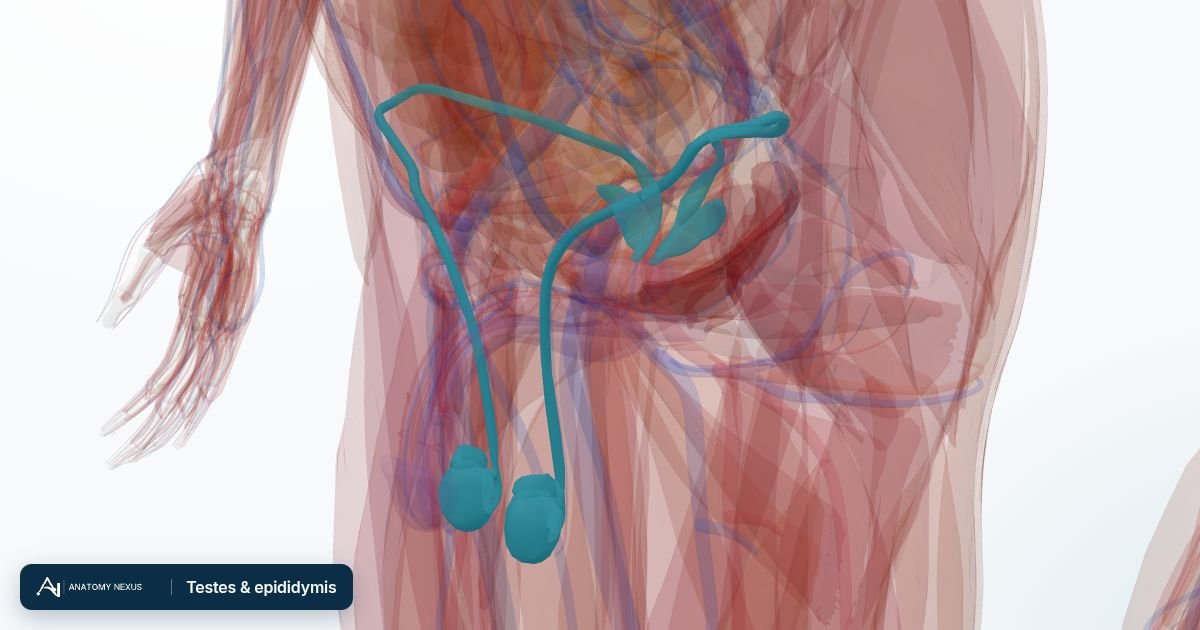
Overview
Some people with testicular cancer have no symptoms, and the most common sign is a lump or swelling in a testicle. It can affect anyone who has testicles, including trans women, and Macmillan says it is most likely between the ages of 25 and 40. Most lumps in the scrotum are not cancer, and testicular cancer is rare. MedlinePlus calls it one of the most treatable and curable cancers, and removing the affected testicle is the main treatment, according to the NHS.
Causes
- The exact cause of testicular cancer is not known, according to MedlinePlus and Macmillan
- Most testicular cancers are germ cell tumours of two main types, seminoma and non-seminoma
Risk factors
- An undescended testicle
- A family history of testicular cancer
- A previous testicular cancer
- Male infertility
- Ethnicity, as it is more common in white men
Symptoms
What a clinician may find
- A lump or swelling in a testicle, or a testicle that has become larger
- A scrotum that feels heavy, firm or hard
- Tender or swollen breasts, occasionally
Complications
- Spread to other parts of the body, such as the lungs, abdomen, pelvis, back or brain
- Effects on fertility from chemotherapy or radiotherapy
- Lower testosterone levels in some people after treatment
Diagnosis
A GP examines the testicles. If cancer is possible, an urgent referral to hospital may follow, and having symptoms does not definitely mean cancer. An ultrasound scan of the scrotum is the usual first test, and blood tests for substances called tumour markers are also used. The diagnosis is usually confirmed by removing the affected testicle and having a pathologist examine the tissue.
Treatment
Macmillan and Cancer Research UK describe treatment as surgery, chemotherapy and in some cases radiotherapy, depending on the type of tumour and whether it has spread. The NHS says the main treatment is surgery to remove the testicle, called orchidectomy. Because some treatments can affect fertility, the NHS says people are offered the chance to store sperm, known as sperm banking, before treatment starts.
Prevention
MedlinePlus says the exact cause of testicular cancer is poorly understood. Several NHS trusts suggest checking the testicles about once a month so that a change is noticed, though MedlinePlus says experts do not know whether self-exams lower the chance of dying from testicular cancer in people without symptoms or risk factors.
Key facts
| Fact | Detail |
|---|---|
| Also called | Cancer of the testicle |
| Main types | Seminoma and non-seminoma, both germ cell tumours |
| Most common sign | A lump or swelling in a testicle |
| Usually diagnosed by | An examination, then an ultrasound scan and blood tests at hospital |
| Treatment options | Surgery, chemotherapy and radiotherapy, depending on type and spread |
| Who can be affected | Anyone who has testicles, including trans women |
| Route to care | A GP appointment for a lump, swelling or a larger testicle |
What are the symptoms of testicular cancer?
MedlinePlus says some people with testicular cancer have no symptoms, and that some cases do not cause symptoms until the cancer is advanced. The NHS lists a lump or swelling in a testicle, a testicle getting bigger, an ache or pain in a testicle or the scrotum, and a scrotum that feels heavy, firm or hard. Cancer Research UK says a lump can be about the size of a pea or larger.
Less common symptoms listed by the NHS include an ache in the back or lower tummy, losing weight without trying, a cough, difficulty breathing or swallowing, and a sore or swollen chest. MedlinePlus adds that enlarged breast tissue can be a sign, although it can occur normally in teenage boys. When the cancer has spread, MedlinePlus says symptoms can appear in the lungs, abdomen, pelvis, back or brain.
Lumps in the scrotum have many different causes, and testicular cancer is a rare cause. Having these symptoms does not definitely mean a person has testicular cancer, the NHS says, but it is important to have them checked by a GP.
What causes testicular cancer and who is more likely to get it?
MedlinePlus and Macmillan say the exact cause of testicular cancer is not known. Macmillan lists an undescended testicle and a family history of the disease among the things that may raise the risk. Macmillan also lists ethnicity, and a published review links male infertility with a higher risk of testicular cancer. Having a risk factor does not mean a person will develop the disease, and lacking one does not rule it out, Macmillan says.
The NHS says testicular cancer is most common in men aged 15 to 49, while Macmillan says it is most likely between the ages of 25 and 40. Macmillan and an NHS trust say non-seminomas most often affect people aged 15 to 35. Orchid and Cambridge University Hospitals describe seminomas as affecting people from about 25 to 55, though sources vary on the exact range.
The two main types, seminoma and non-seminoma, are both germ cell tumours, and a mix of the two can occur.
Checking the testicles and seeing a GP
The NHS advises seeing a GP about a lump or swelling in one or both testicles, or if a testicle is getting bigger. Several NHS bodies, such as the Christie NHS Foundation Trust, suggest getting to know how the testicles normally feel, with a check about once a month, so that a new lump is noticed. The Christie says a normal testicle feels smooth and firm, and that it is normal for one testicle to be slightly larger or to hang lower. The epididymis, a soft coiled tube at the back of each testicle, is not a problem, and harmless cysts can form there.
Macmillan says it is still important to have any change checked. Macmillan notes that a trans woman who has testicles may feel uncomfortable or upset about checking this part of the body, but that changes should still be checked.
The GP examines the testicles. If cancer is possible, an urgent referral to hospital may follow, and the NHS stresses that symptoms do not definitely mean cancer.
How is testicular cancer diagnosed?
The National Cancer Institute lists a testicular ultrasound, which uses sound waves to look at the testicles, as the first test. Blood tests for substances called tumour markers, such as AFP and beta-hCG, are also used. An NHS England guideline says blood for these markers is best taken before surgery when an ultrasound shows a cancer.
The diagnosis is confirmed by removing the testicle through a cut in the groin, and a pathologist then examines the tissue to identify the type of tumour. The two main types of testicular cancer, seminoma and non-seminoma, are treated differently, so identifying the type is part of the diagnosis. The treatment plan also depends on whether the cancer has spread.
After diagnosis, CT scans of the chest, abdomen and pelvis are commonly used to stage the cancer, together with the blood tumour markers.
How is testicular cancer treated?
Macmillan and Cancer Research UK describe treatment as surgery, chemotherapy and in some cases radiotherapy, depending on the type of tumour and whether it has spread. The NHS says the main treatment is surgery to remove the testicle, called orchidectomy. Cancer Research UK says having one testicle removed does not usually affect the ability to have children, although the remaining testicle sometimes does not work as well, which could reduce fertility.
MedlinePlus says chemotherapy has greatly improved survival for people with both seminomas and non-seminomas. For an early seminoma, options after surgery include surveillance, a single course of the chemotherapy drug carboplatin, or radiotherapy, although radiotherapy is now mainly kept for people who cannot have chemotherapy. For an early non-seminoma, surveillance, meaning regular check-ups and tests, is an option when the risk of the cancer returning is low, and the alternative is usually a short course of chemotherapy.
Which option is suggested depends on the type of tumour, the stage and the chance of the cancer coming back.
Fertility, follow-up and living with testicular cancer
Chemotherapy and radiotherapy may affect sperm production, and Cancer Research UK says fertility can often return after treatment, though this may take time. In some cases sperm production does not fully recover, although the National Cancer Institute says most men can father children after treatment. Orchid says sperm banking may be advised before an orchidectomy if chemotherapy is likely to be needed or the other testicle may produce little sperm. Macmillan says that a person who has not stored sperm can still do so after surgery if further treatment is offered. Orchid notes that banking has limits, as a low sperm count, poor sperm quality and the freezing and thawing process can all affect the sperm, and that stored sperm is held for 10 years at first, with the period able to be extended. Orchid and Macmillan both provide information on fertility and sex after testicular cancer.
Studies report that testosterone levels can fall after treatment in some people, and reviews recommend checking testosterone levels during follow-up. Testicular cancer is generally described as highly treatable, and MedlinePlus calls it one of the most treatable and curable cancers.
Frequently asked questions
Is a lump in a testicle always cancer?
No. Lumps in the scrotum have many different causes, and testicular cancer is a rare one. The NHS still advises seeing a GP about a lump or swelling in one or both testicles, or a testicle that is getting bigger. Having these symptoms does not definitely mean cancer, but they are worth having checked.
Can testicular cancer be cured?
MedlinePlus describes testicular cancer as one of the most treatable and curable cancers. The NHS says treatment depends on the type of tumour and whether it has spread, and MedlinePlus says chemotherapy has greatly improved survival. The outlook for any one person depends on the type and stage of the cancer.
Does removing a testicle affect fertility?
Cancer Research UK says having one testicle removed does not usually affect the ability to have children, although the remaining testicle sometimes does not work as well. Chemotherapy and radiotherapy can affect sperm production, so the NHS says people are offered sperm banking before treatment starts. Orchid has a page on fertility and testicular cancer.
Who can get testicular cancer?
The NHS and Macmillan say testicular cancer can affect anyone who has testicles. Macmillan lists men, trans women and people assigned male at birth among them. Macmillan notes that checking this part of the body may feel uncomfortable or upsetting for a trans woman, and that changes should still be checked.
Does testicular cancer always cause symptoms?
No. MedlinePlus says some people have no symptoms, and some cases do not cause symptoms until the cancer is advanced. When symptoms do appear, the NHS lists a lump or swelling, a larger testicle, an ache or pain, and a heavy, firm or hard scrotum.
Connected pages in detail
What each linked page on Anatomy Nexus covers, in a line, for Testicular cancer.
Symptoms
- Swelling (oedema) Excess fluid in the tissues.
- Back pain Pain in the spine or the muscles beside it, most often the lower back.
- Cough A reflex blast of air that clears the airways of mucus, irritants and foreign material.
Imaging
- Ultrasound High-frequency sound waves bounced off tissue give real-time, radiation-free images, used for pregnancy, the abdomen, the heart (echocardiography).
Guides and news
- Testicle lumps and swelling: what to check The NHS says to check your testicles monthly for changes; a lump or swelling needs a GP visit, and sudden severe pain needs A&E or 999.