



ADHD (attention deficit hyperactivity disorder)
Also known as: ADHD, attention deficit hyperactivity disorder, ADHD in adults, ADHD in children
ADHD is a neurodevelopmental condition that affects attention, activity levels and impulse control.
When to seek care
If ADHD symptoms are affecting studies, work or relationships, the NHS advises a GP appointment to find out what support is available. For a child, NICE says problems that persist with at least moderate impairment are referred by primary care to a specialist such as a child psychiatrist or paediatrician. If someone is in immediate danger, call 999 or go to A&E. For urgent mental health help, NHS 111 is available 24 hours, and you can choose the mental health option. Samaritans can be called free on 116 123 at any time.
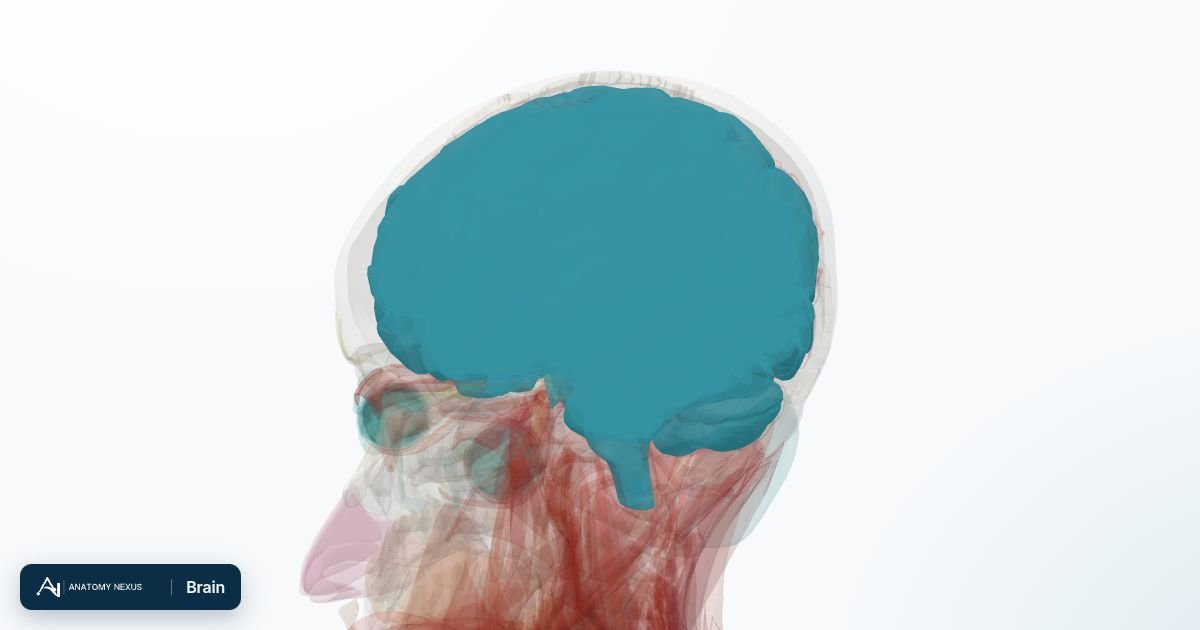
Overview
ADHD is a neurodevelopmental condition that affects attention, activity levels and impulse control. The NHS says its symptoms usually start before the age of 12, and most people with ADHD have symptoms of both the inattentive type and the hyperactive-impulsive type. The exact cause is not known, although genetics plays a major part and ADHD often runs in families. The NHS says adult ADHD is managed through lifestyle changes, workplace adjustments or medicines, and talking therapies such as CBT or mindfulness may be recommended. NICE says ADHD is thought to be under-recognised in girls and women.
Causes
- ADHD often runs in families, and genetic differences may be behind it.
- The NHS lists being born prematurely, low birth weight and epilepsy as other possible links.
- The exact cause is not known.
Risk factors
- A close family member with ADHD
- Low birth weight
- Being born prematurely
- Epilepsy
Symptoms
What a clinician may find
- Getting easily distracted
- Losing or misplacing things
- Starting many tasks without finishing them
- Restlessness and impulsive behaviour
Complications
- Symptoms that affect studies, work or relationships
- Depression or anxiety alongside ADHD
- Other conditions alongside ADHD, such as autism or a tic condition like Tourette syndrome
Diagnosis
There is no single test for ADHD. The NICE guideline says the diagnosis must be made by a specialist psychiatrist, paediatrician or other appropriately qualified healthcare professional. The GP asks about the symptoms and how they affect life, and may consider other conditions that could be causing them, such as autism, Tourette's syndrome or anxiety, and a specialist assessment asks about the history of symptoms, particularly whether they started in childhood. For adults, a diagnosis cannot be confirmed unless symptoms have been present since childhood. NICE says a diagnosis should not be made solely on the basis of rating scale or observational data.
Treatment
The NHS says ADHD in adults is managed through lifestyle changes, workplace adjustments or medicines, and talking therapies such as CBT or mindfulness may be recommended. ADHD medicines must be started and monitored by an ADHD specialist. The GP may later take over prescribing under a shared care agreement. NICE notes that symptoms and impairment may be reduced through environmental modifications, such as a modified school curriculum or choice of employment.
Prevention
The exact cause of ADHD is not known, and genetic differences are thought to play a major part. Support, adjustments and treatment focus on reducing the impact of symptoms.
Key facts
| Fact | Detail |
|---|---|
| Also called | Attention deficit hyperactivity disorder (ADHD) |
| Type of condition | A neurodevelopmental condition affecting attention, activity levels and impulse control |
| Usually starts | Symptoms usually start before the age of 12 |
| Main features | Inattentiveness, and hyperactivity and impulsiveness |
| Usually diagnosed by | A specialist such as a psychiatrist or paediatrician; there is no single test |
| Usual approaches | Lifestyle changes, adjustments at work or school, talking therapies and medicines |
| First step | A GP appointment if symptoms affect studies, work or relationships |
What is ADHD and what causes it?
ADHD stands for attention deficit hyperactivity disorder. ADHD is a neurodevelopmental condition that affects attention, activity levels and impulse control. The NHS says its symptoms usually start before the age of 12, and most people with ADHD have symptoms of both the inattentive type and the hyperactive-impulsive type. A review in the medical literature attributes ADHD to differences in brain structure and function as well as genetic factors.
The NHS says ADHD often runs in families, and that genetic differences may be behind it. The NHS also lists being born prematurely, low birth weight and epilepsy as other possible links. The exact cause is not known. Earlier theories that diet causes hyperactivity are not supported by recent research, according to the NHS sources reviewed. NICE says ADHD is thought to be under-recognised in girls and women, who are less likely to be referred for assessment and may be more likely to receive a different diagnosis. Girls more often show inattentive symptoms, which can be harder to recognise.
What are the symptoms of ADHD?
ADHD symptoms are usually grouped into two kinds: inattentiveness, and hyperactivity and impulsiveness. NHS inform lists practical signs of inattentiveness such as getting easily distracted, losing or misplacing things and starting many tasks without finishing them. The NHS describes adult ADHD as affecting focus, with inattentive, restless and impulsive traits. ADHD affects people in different ways.
If symptoms are affecting studies, work or relationships, the NHS advises making a GP appointment. The Royal College of Psychiatrists describes the diagnostic criteria as symptoms that have been present since childhood, persist, and cause at least moderate impairment across two or more areas of life: home, work, education and relationships. A large proportion of adults with ADHD have another condition too, such as anxiety, depression, autism, a tic condition such as Tourette syndrome, substance use, or physical health problems including chronic pain and fatigue.
How is ADHD assessed and diagnosed?
There is no single test for ADHD. For children, NICE says primary care practitioners should not make the initial diagnosis or start medication. If problems persist with at least moderate impairment, they refer to secondary care, such as a child psychiatrist, a paediatrician or a specialist ADHD child and adolescent mental health service. NICE says the diagnosis must be made by a specialist psychiatrist, paediatrician or other appropriately qualified healthcare professional.
For adults, the GP asks about the symptoms and how they affect life, and may consider other conditions that could be causing them, such as autism, Tourette's syndrome or anxiety. A specialist assessment asks about the history of symptoms, particularly whether they started in childhood and how they affected school. An adult diagnosis cannot be confirmed unless symptoms have been present since childhood. NICE says a diagnosis should not be made solely on the basis of rating scale or observational data, although rating scales are helpful added tools. The Royal College of Psychiatrists likewise says an ADHD diagnosis should never be based solely on questionnaires. NICE also says clinicians should discuss the positive and negative impacts of receiving a diagnosis, such as stigma and labelling.
How is ADHD treated and supported?
The NHS says ADHD in adults is managed through lifestyle changes, workplace adjustments or medicines, and talking therapies such as cognitive behavioural therapy (CBT) or mindfulness may be recommended. ADHD medicines must be started and monitored by an ADHD specialist. The GP may later take over prescribing under a shared care agreement, although this is the GP's decision and not every practice does it. NICE advises local protocols for shared care with primary care and a written treatment plan shared with the person with ADHD.
NICE notes that for some people symptoms and impairment may be reduced through environmental modifications, such as a modified school curriculum or choice of employment. The guideline asks for modifications to be checked before medication starts. A European consensus statement on adult ADHD advises multimodal treatment made up of psychoeducation, pharmacotherapy, coaching and/or CBT, ideally involving the person's partner, family or close friends. The Royal College of Psychiatrists says early years support and reasonable adjustments at school and work can help reduce the impact that ADHD has on people's lives.
Living with ADHD
ADHD affects people in different ways, and the Royal College of Psychiatrists' information for adults covers both the challenges and the strengths people with ADHD can have. A 2023 thematic analysis of adults' positive experiences found that being creative, having novel ideas, seeing things from a different perspective and being good at finding solutions were commonly described as strengths. A MedlinePlus support guide describes ADHD as a lifelong journey and says understanding and acceptance from others can make a world of difference.
ADHD UK provides information and support for anyone affected by ADHD, including a self-screening tool and support groups. Waiting times for specialist adult ADHD services vary, and in some areas it can take several months or years to be seen. ADHD UK says that if the local wait is long, a GP can refer to another NHS-approved provider under Right to Choose, although some areas limit the scheme and it is worth checking locally.
When should you get help?
If ADHD symptoms are affecting studies, work or relationships, the NHS advises making a GP appointment to find out what support is available. ADHD UK says that if a GP declines a referral, options include asking for a second opinion from a different GP. For a child, NICE says that when problems persist with at least moderate impairment, primary care refers on to a specialist such as a child psychiatrist or paediatrician. Depression and anxiety are among the conditions that can occur alongside ADHD, and people with ADHD often seek treatment for them.
If someone is in immediate danger, call 999 or go to A&E. For urgent mental health help, NHS 111 is available 24 hours, and you can choose the mental health option. Samaritans can be called free on 116 123, open 24 hours every day.
Frequently asked questions
Can ADHD be cured?
The NHS says ADHD in adults is managed through lifestyle changes, workplace adjustments or medicines. A MedlinePlus support guide describes ADHD as a lifelong journey. Treatment and support therefore aim to help with symptoms and everyday life, and talking therapies such as CBT or mindfulness may also be recommended.
Does ADHD only affect children?
No, the NHS has separate guidance for adults and for children and young people. Symptoms usually start before the age of 12, but an adult can still be assessed. For an adult diagnosis, symptoms must have been present since childhood. Adults with ADHD often have another condition too, such as anxiety or depression.
Can a GP diagnose ADHD?
For children, NICE says primary care practitioners should not make the initial diagnosis or start medication. If problems persist with at least moderate impairment, they refer to secondary care, such as a child psychiatrist or paediatrician. There is no single test, and the NHS says the GP asks about symptoms and how they affect life and may consider other conditions.
Why is ADHD thought to be missed in girls?
NICE says ADHD is thought to be under-recognised in girls and women, who are less likely to be referred for assessment and may be more likely to receive a different diagnosis. Girls more often show inattentive symptoms, which can be harder to recognise. Anyone worried about symptoms that affect studies, work or relationships can start with a GP appointment, as the NHS advises.
Connected pages in detail
What each linked page on Anatomy Nexus covers, in a line, for ADHD (attention deficit hyperactivity disorder).
Conditions
- Epilepsy A tendency to recurrent, unprovoked seizures: bursts of abnormal synchronised electrical activity in the brain.