



Coeliac disease
Also known as: celiac disease, gluten enteropathy, gluten-sensitive enteropathy
Coeliac disease is an autoimmune condition in which the immune system reacts to gluten and damages the lining of the small bowel.
When to seek care
A GP appointment is the usual route for people with ongoing unexplained gut symptoms, unexplained weight loss, long-lasting tiredness or unexplained anaemia, since the GP can arrange the blood test. For people already diagnosed, NICE advises a review when symptoms continue despite excluding gluten.
Overview
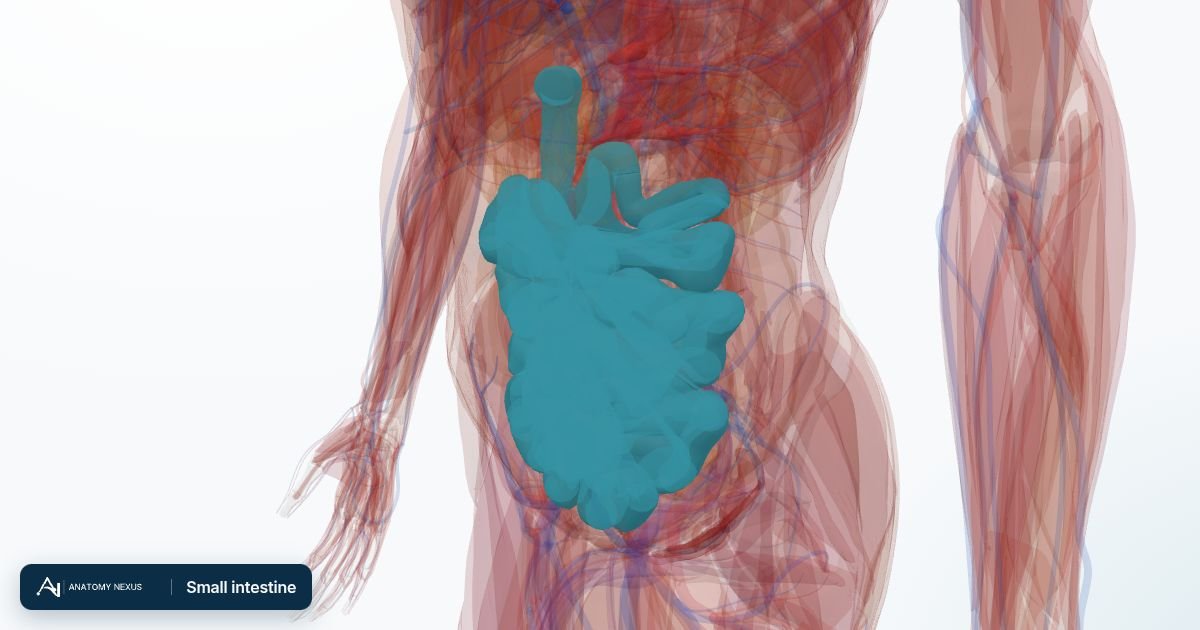
Coeliac disease is a lifelong autoimmune condition in which the immune system reacts to gluten, a protein found in wheat, barley and rye. The reaction damages the lining of the small bowel, so the body cannot absorb nutrients well. NHS inform estimates that it affects about 1 in every 100 people, and many of them have not been diagnosed. Symptoms vary widely from person to person, and some people have none. A gluten-free diet is the main treatment.
Causes
- It is an autoimmune reaction in which the immune system responds abnormally to gluten and damages the lining of the small bowel.
- Genes that make a person more likely to develop it are involved, and the exact trigger is not yet known.
- Something in the environment seems to set off the condition in some people who carry these genes.
Risk factors
- Having a close relative with coeliac disease raises the chance of having it, and NICE recommends testing first-degree relatives.
- Type 1 diabetes is linked with coeliac disease, probably because both share a genetic risk.
- NICE also recommends testing for people with autoimmune thyroid disease.
Symptoms
What a clinician may find
- Unplanned weight loss can occur.
- Children may grow more slowly than expected or reach puberty later.
- An itchy, blistering rash called dermatitis herpetiformis can appear, often on the elbows, knees and buttocks.
Complications
- Poor absorption of nutrients can lead to iron deficiency anaemia and vitamin B12 or folate deficiency anaemia.
- Osteoporosis, in which bones become weaker, is among the conditions that poor absorption can cause.
- Small bowel cancer and small bowel lymphoma are linked to the condition, although most people with it do not develop them.
- In some people the spleen works less well, which can make infections more likely.
- Delayed puberty in children and low birth weight in newborn babies have also been described.
- Rarely, symptoms continue despite a strict gluten-free diet, which is called refractory coeliac disease.
Diagnosis
Diagnosis usually starts with a blood test for coeliac antibodies arranged by a GP. A positive blood test is followed by referral to a gastroenterologist, who may arrange a biopsy of the small bowel to confirm the diagnosis. Gluten needs to stay in the diet until testing is finished, because stopping it first can give a false negative result.
Treatment
There is no cure, but the NHS says a gluten-free diet should help control symptoms and prevent long-term complications. All sources of gluten are avoided for life. Bread, pasta, cereals, biscuits and cakes are avoided unless labelled gluten-free. NICE recommends a yearly review of symptoms and how well the diet is working.
Prevention
Following a gluten-free diet is described as helping to prevent the long-term complications of the condition.
Key facts
| Fact | Detail |
|---|---|
| Also called | Celiac disease (US spelling), gluten enteropathy |
| Type of condition | Autoimmune reaction to gluten affecting the small bowel |
| Gluten is found in | Wheat, barley and rye |
| Usually diagnosed by | A blood test, then a small bowel biopsy |
| Main treatment | A gluten-free diet for life |
| Usual first contact | A GP appointment |
What are the symptoms of coeliac disease?
Coeliac disease commonly causes diarrhoea, stomach aches and bloating. Indigestion and constipation can also occur. The NHS lists other effects, including tiredness, unplanned weight loss and mouth ulcers, as well as an itchy rash.
Nerve problems can occur, such as numbness and tingling in the hands and feet, and difficulties with co-ordination, balance and speech. Symptoms vary widely between people. Coeliac UK describes the condition as multi-system, which means symptoms can affect any area of the body, and its symptoms can be mistaken for those of other conditions.
The NHS says that although dermatitis herpetiformis is not a symptom of coeliac disease, a person with an autoimmune response to gluten may develop this itchy, blistering rash. It typically appears on the elbows, knees and buttocks. Some people have no symptoms at all. Children with the condition may not grow at the expected rate, or may be late to reach puberty, according to NHS inform.
What causes coeliac disease?
Coeliac disease is an autoimmune condition. NICE describes gluten from wheat, barley and rye as the dietary trigger that sets off an abnormal immune response in the lining of the gut. The reaction damages the lining of the small bowel, which is where nutrients are absorbed.
NHS 111 Wales says the exact trigger is unclear, but genes and the environment both seem to play a part. The condition is strongly tied to certain variants of a group of genes called HLA-DQ. Something in the environment seems to set the condition off in some people who carry them.
First-degree relatives of a person with coeliac disease are more likely to have it themselves, and NICE recommends testing them. Type 1 diabetes is linked with coeliac disease, and Coeliac UK attributes this to a shared genetic predisposition. NICE also recommends testing for people with type 1 diabetes or autoimmune thyroid disease when they are diagnosed with those conditions.
How is coeliac disease diagnosed?
The NHS advises testing for people with any one of a list of symptoms, such as ongoing unexplained gut symptoms or unexplained weight loss. NICE recommends offering a blood test to people with persistent unexplained abdominal or gastrointestinal symptoms, and considering it for people with unexplained neurological symptoms, particularly peripheral neuropathy.
The two main methods are a blood test and a biopsy. A GP usually arranges the first blood test, which looks for coeliac antibodies. After a positive result the GP refers the person to a gastroenterologist, who may arrange more blood tests or a biopsy of the small bowel.
The NHS says gluten must stay in the diet until testing is finished, because testing is only reliable in people who have been eating it. Stopping gluten first can cause a false negative result and delay diagnosis. NICE advises that a person should not start a gluten-free diet until a specialist confirms the diagnosis, even if the blood test is positive.
NHS inform notes that it is sometimes possible to have coeliac disease without antibodies in the blood, and that there is not enough evidence that home test kits are reliable.
How is coeliac disease treated?
The main treatment is avoiding gluten. The NHS says all sources of gluten are avoided for life. There is no cure, but following a gluten-free diet should help control symptoms and prevent the long-term complications of the condition. Foods such as bread, pasta, cereals, biscuits and cakes are avoided unless they are labelled gluten-free.
The NHS says symptoms should improve considerably within weeks of starting a gluten-free diet, although full healing of the gut can take up to a few years. The rash of dermatitis herpetiformis can take longer to clear than other symptoms. In that case the NHS says a medicine called dapsone is usually used, and regular blood tests may be needed to check for anaemia, which is one of its side effects.
The NHS says oats contain a protein called avenin that suits most people with coeliac disease but may trigger symptoms in a few. Oats are often contaminated during processing, so those not labelled gluten-free are avoided. Anyone who wants to add oats can first talk to a healthcare professional. NICE recommends an annual review of symptoms and of how well the gluten-free diet is working.
What are the complications and the outlook?
Poor absorption of nutrients, called malabsorption, can lead to a shortage of vitamins and minerals. The NHS lists iron deficiency anaemia and vitamin B12 or folate deficiency anaemia among the results. It also lists osteoporosis, a condition in which bones become weaker. Coeliac UK says that early diagnosis in childhood helps bones reach normal mass, and NICE recommends testing people with reduced bone mineral density.
The NHS names small bowel cancer, small bowel lymphoma and Hodgkin lymphoma as cancers linked to coeliac disease, but most people with the condition do not develop them. After some time on a gluten-free diet the risk returns to that of the general population. NHS 111 Wales says the spleen can work less well in some people, which raises the risk of infection.
Some people keep having symptoms despite a gluten-free diet. NICE advises reviewing the symptoms and checking for continued exposure to gluten, including hidden gluten. If symptoms persist despite a strict diet and no other cause is found, it may be refractory coeliac disease. Coeliac UK says this is very rare, and the NHS says a specialist may use steroid or immunosuppressant medicines.
Frequently asked questions
Can coeliac disease be cured?
The NHS says there is no cure for coeliac disease. Following a gluten-free diet for life should help control symptoms and prevent long-term complications. The NHS says symptoms should improve considerably within weeks, although full healing of the gut can take longer, up to a few years.
Should I stop eating gluten before being tested?
The NHS says gluten should stay in the diet until testing is finished, because testing is only reliable in people who have been eating it. Stopping it can cause a false negative result and delay diagnosis. NICE advises against starting a gluten-free diet until a specialist confirms the diagnosis. A GP can discuss any worries about this.
Does coeliac disease run in families?
Genes play a part, and NHS 111 Wales says something in the environment also seems to trigger the condition. NICE notes that first-degree relatives of a person with coeliac disease are more likely to have it, and it recommends testing them. Not everyone who carries the genes develops the condition.
Can coeliac disease cause a skin rash?
The NHS says that although it is not a symptom of coeliac disease, a person with an autoimmune response to gluten may develop an itchy, blistering rash called dermatitis herpetiformis, usually on the elbows, knees and buttocks. If a gluten-free diet is slow to clear the rash, the NHS says a medicine called dapsone is usually used.
What happens at an annual review?
NICE recommends that people with coeliac disease are offered a review once a year. The clinician reviews symptoms and considers whether the diet and how well the gluten-free diet is being followed need assessing. Coeliac UK notes that warning signs such as ongoing diarrhoea, stomach pain, weight loss or tiredness need prompt review.
Connected pages in detail
What each linked page on Anatomy Nexus covers, in a line, for Coeliac disease.
Conditions
- Type 1 diabetes An autoimmune disease in which the insulin-producing beta cells of the pancreas are destroyed.
- Osteoporosis Loss of bone mass and deterioration of bone architecture that makes bones fragile and prone to fracture after minimal trauma.
- Anaemia A haemoglobin concentration below normal (roughly under 130 g/L in men and 120 g/L in women), reducing the blood's capacity to carry oxygen.
Symptoms
- Abdominal pain Pain between the ribs and the pelvis.
- Fatigue Persistent tiredness that rest does not fix.
- Tingling (pins and needles) Prickling, buzzing or crawling sensations without an outside cause, produced when sensory nerves fire abnormally.
- Rash Any change in the colour or texture of the skin.
Medical tests
- Biopsy Removal of a small piece of tissue or a few cells so a pathologist can examine them under the microscope.