



Obstructive sleep apnoea
Also known as: OSA, obstructive sleep apnea, sleep apnoea, OSAHS
Obstructive sleep apnoea is a condition in which the throat narrows or closes during sleep, so breathing stops and starts again.
When to seek care
The NHS advises a GP appointment for pauses in breathing during sleep, gasping or choking noises at night, or constant tiredness in the day. GOV.UK says a person with sleep apnoea who has excessive sleepiness must not drive until the sleepiness is free or the symptoms are under control.
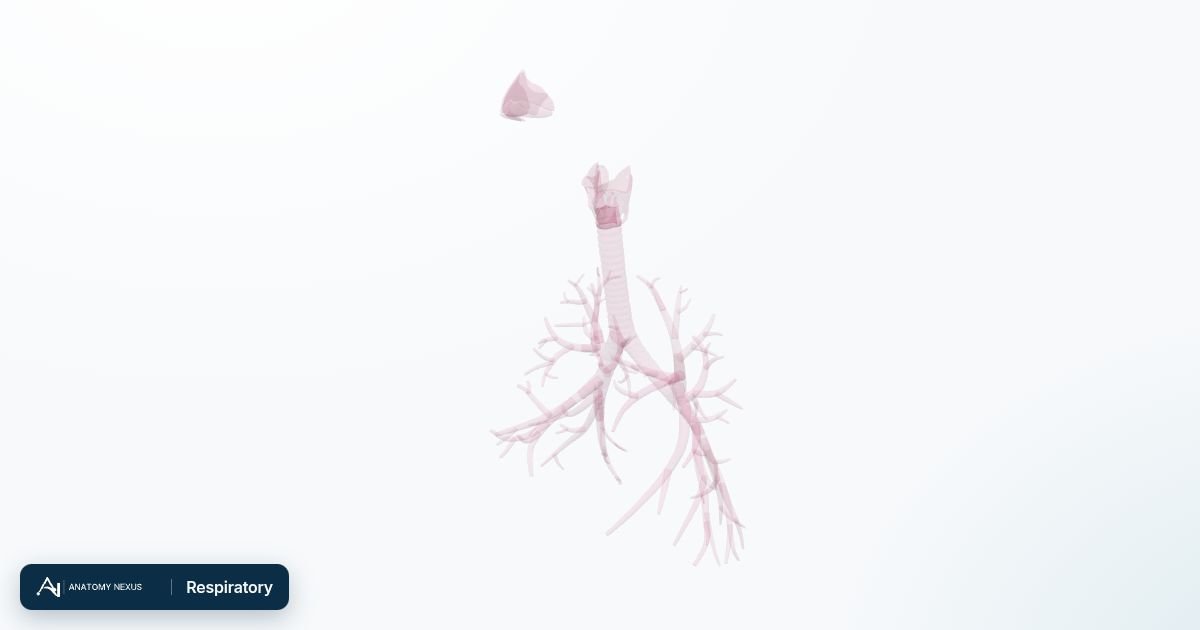
Overview
In obstructive sleep apnoea, the muscles of the upper airway relax during sleep and the throat narrows or closes. Breathing then stops and restarts. Asthma + Lung UK says about 1 in 20 people have it. Common signs are loud snoring, gasping or choking at night and feeling very tired by day. It is linked with obesity, older age and a family history of the condition.
Causes
- The muscles of the upper airway relax during sleep, so the throat narrows or closes.
- Large tonsils or adenoids are linked with the airway narrowing.
Risk factors
- Obesity
- A large neck
- Older age
- A family history of sleep apnoea
- Drinking alcohol
- Smoking
- Sleeping on the back
- Chronic obstructive pulmonary disease (COPD)
- Asthma, especially if overweight, with reflux, or hard to control
Symptoms
What a clinician may find
- A bed partner may notice pauses in breathing, gasping or choking noises, and loud snoring during sleep.
Complications
- Without treatment, it can contribute to high blood pressure, stroke, type 2 diabetes and heart disease.
- Without treatment, it can contribute to low mood.
- Daytime tiredness can lead to accidents.
- It can make asthma symptoms worse and raise the risk of an asthma attack.
Diagnosis
A GP may refer someone to a specialist sleep clinic. The tests can usually be done at home, but sometimes an overnight stay in the clinic is needed. Asthma + Lung UK names respiratory polygraphy and oximetry as the main sleep tests. Doctors judge how severe the condition is by counting the breathing pauses in an hour of the sleep study.
Treatment
Lifestyle changes such as losing weight, giving up smoking and drinking less alcohol can help. Many people still need a CPAP machine, which gently pumps air into a mask worn over the nose, or nose and mouth, during sleep. A mandibular advancement device, worn in the mouth to hold the lower jaw forward, is another option. Surgery, such as removing large tonsils, may also be an option.
Prevention
The NHS says lifestyle changes such as losing weight, giving up smoking and drinking less alcohol can sometimes help with sleep apnoea.
Key facts
| Fact | Detail |
|---|---|
| Also called | OSA |
| Main signs | Loud snoring, pauses in breathing, gasping or choking at night, and daytime tiredness |
| What happens | The throat narrows or closes during sleep, so breathing stops and restarts |
| Usually checked by | A sleep test, often done at home, after a GP refers the person to a sleep clinic |
| Common treatments | Lifestyle changes, a CPAP machine, a mandibular advancement device, or surgery for some people |
| Who to contact | A GP appointment for breathing pauses, gasping or constant tiredness |
| How common | Asthma + Lung UK says about 1 in 20 people have it |
What are the symptoms of obstructive sleep apnoea?
Sleep apnoea is when breathing stops and starts during sleep. The NHS lists the main signs as pauses in breathing while asleep, gasping, snorting or choking noises, waking often and loud snoring. Many of these happen while the person is asleep, so they may be noticed by someone else in the room.
The effects carry into the day. People may feel very tired, find it hard to concentrate, have mood changes or wake with a headache. Because it can be hard to tell whether someone has sleep apnoea, the NHS says it can help to ask a bed partner to watch for symptoms. Bringing that person to the appointment is also useful.
Asthma + Lung UK says about 1 in 20 people have obstructive sleep apnoea, and describes it as the most common type of sleep apnoea. Another type, central sleep apnoea, is different: the brain does not send the right signals to the breathing muscles.
What causes it and who is more likely to get it?
In obstructive sleep apnoea the muscles of the upper airway relax during sleep, so the throat narrows or closes. Breathing then stops and restarts. The NHS links this narrowing with several factors, including obesity, a large neck, older age and a family history of the condition. Alcohol, smoking, large tonsils or adenoids, sleeping on the back and chronic obstructive pulmonary disease are also on the NHS list.
These are links rather than proven single causes, and a person can have more than one. Asthma + Lung UK says some people with obstructive sleep apnoea also have chronic obstructive pulmonary disease, and that having both can make breathing problems during sleep much worse.
Asthma + Lung UK also says people with asthma are more likely to get obstructive sleep apnoea, especially if they are overweight, have gastro-oesophageal reflux disease or have asthma that is difficult to control. It adds that the condition can make asthma symptoms worse and increase the risk of an asthma attack.
How is obstructive sleep apnoea diagnosed?
A GP may refer someone to a specialist sleep clinic. The NHS says the tests can usually be done at home, though sometimes an overnight stay in the clinic is needed.
Asthma + Lung UK says a sleep clinic usually takes a history and examines the person. The clinic may ask about sleep, daytime sleepiness, smoking, medicines and family history of sleep disorders. It names pulse oximetry and respiratory polygraphy as the main sleep tests. Oximetry records the oxygen level in the blood and the heart rate, using a small clip on a fingertip or earlobe. Respiratory polygraphy records more, including breathing, oxygen level, heart rate, movement and snoring sounds. If the result is not clear, a fuller study called polysomnography may be needed.
NICE says people are currently diagnosed with home respiratory polygraphy as the first test. Doctors judge how severe the condition is by counting the breathing pauses in an hour of the sleep study. NICE also says oximetry is not considered as sensitive a test for diagnosis and may overestimate blood oxygen levels in people with black or brown skin.
How is it treated?
The NHS says losing weight, giving up smoking and drinking less alcohol can help. It also lists mouth and facial exercises, but says many people need a CPAP machine, short for continuous positive airway pressure. It gently pumps air into a mask worn over the nose, or nose and mouth, during sleep. The NHS says it is provided free on the NHS for people who need it, and that it is worth telling the doctor if the mask is uncomfortable. Asthma + Lung UK says the sleep clinic prescribes CPAP and shows people how to use the machine and mask.
Asthma + Lung UK describes CPAP as the most effective treatment for moderate to severe disease. For mild disease it is recommended only if symptoms affect quality of life or other options have not worked.
A mandibular advancement device is another option. It is worn in the mouth during sleep and brings the lower jaw forward. NICE says one can be considered for people who cannot tolerate CPAP or decline it. NICE also says surgery can be considered for severe disease in people who could not tolerate CPAP or such a device despite supervised attempts. The NHS lists surgery such as removing large tonsils.
What problems can untreated sleep apnoea cause?
The NHS says that without treatment, sleep apnoea can contribute to high blood pressure, stroke, type 2 diabetes, heart disease and low mood. Tiredness during the day can also lead to accidents. NHS England says CPAP is not a cure, but if it is used every night it is very effective at reversing the symptoms.
On driving, GOV.UK says a person must not drive if sleep apnoea causes excessive sleepiness, until the sleepiness is under control and any needed treatment is being followed. It adds that people with moderate or severe sleep apnoea with excessive sleepiness must tell the DVLA. GOV.UK says someone with sleep apnoea who does not have excessive sleepiness can carry on driving.
Asthma + Lung UK says it is important to treat obstructive sleep apnoea, for example with CPAP, because this can improve both the sleep apnoea and asthma.
Frequently asked questions
Does CPAP get rid of sleep apnoea?
NHS England says CPAP is not a cure, but if it is used every night it is very effective at reversing the symptoms of obstructive sleep apnoea. The NHS says the machine is provided free on the NHS for people who need it. Lifestyle changes such as losing weight can also help. If the mask is uncomfortable, the NHS says it is worth telling the doctor.
Does testing for sleep apnoea mean staying in hospital?
Not usually. The NHS says the tests can usually be done at home, though sometimes an overnight stay in the clinic is needed. Asthma + Lung UK names pulse oximetry and respiratory polygraphy as the main sleep tests. It says a fuller study called polysomnography may be needed if the result is not clear.
Can sleep apnoea affect asthma?
Asthma + Lung UK says people with asthma are more likely to get obstructive sleep apnoea, especially if they are overweight, have reflux or have asthma that is difficult to control. It says the condition can make asthma symptoms worse and increase the risk of an asthma attack. It adds that treating it, for example with CPAP, can improve both conditions.
Can someone with sleep apnoea drive?
GOV.UK says a person must not drive if sleep apnoea causes excessive sleepiness, until the sleepiness is under control and any needed treatment is being followed. People with moderate or severe sleep apnoea with excessive sleepiness must tell the DVLA. Someone without excessive sleepiness can carry on driving. A GP appointment is the usual route to talk about symptoms.
When should someone see a doctor about snoring and tiredness?
The NHS advises a GP appointment for pauses in breathing during sleep, gasping or choking noises at night, or constant tiredness in the day. Because it can be hard to tell whether someone has sleep apnoea, asking a bed partner to watch for symptoms can help. Bringing that person to the appointment is also useful.
Connected pages in detail
What each linked page on Anatomy Nexus covers, in a line, for Obstructive sleep apnoea.
Conditions
- Chronic obstructive pulmonary disease (COPD) Progressive, largely irreversible airflow obstruction caused by damage to the airways (chronic bronchitis) and destruction of alveoli (emphysema).
- Asthma A chronic inflammatory disease of the airways causing reversible narrowing, with episodes of wheeze, breathlessness, chest tightness and cough.
Symptoms
Medical tests
- Pulse oximetry and blood gases A clip on the fingertip shines red and infrared light through the tissue and reads the colour of pulsing blood to estimate how saturated haemoglobin…