



Vitamin D deficiency
Also known as: low vitamin D, hypovitaminosis D, vitamin D insufficiency
A shortage of vitamin D in the body, which can weaken bones and muscles over time.
When to seek care
Contact a GP for a routine appointment about persistent bone pain or muscle weakness, or a child with bowed legs. Contact NHS 111 or the GP the same day for new unexplained muscle cramps. Call 999 for a seizure.
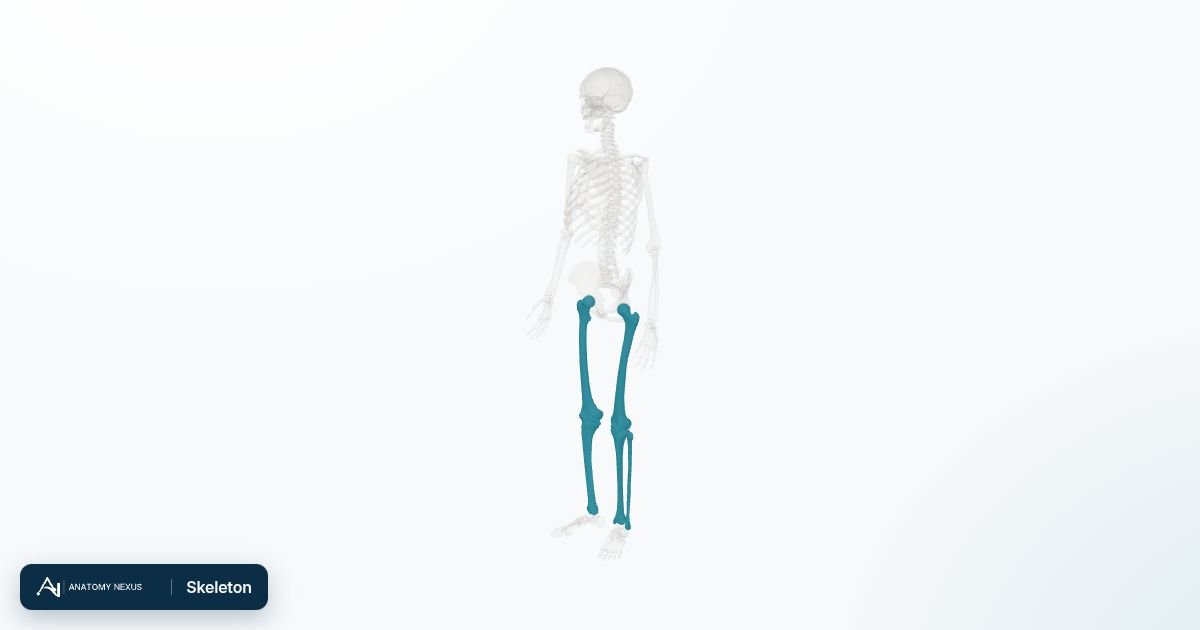
Overview
Vitamin D deficiency means the body does not get enough vitamin D to stay healthy. The skin makes it from sunlight, and in the UK the sun is too weak between October and early March, while it is difficult to get enough from food alone. Prolonged or severe deficiency can affect the bones and muscles, causing rickets in children and osteomalacia in adults.
Causes
- Too little vitamin D taken in from food
- Reduced sun exposure
- Conditions that limit absorption, such as gut or liver disease
- Some medicines that affect how vitamin D is handled, such as anticonvulsants
- Liver or kidney disease
Risk factors
- Darker skin
- Rarely going outdoors, living in a care home or usually covering most skin outside
- Babies who are only breastfed
- Gut conditions that limit absorption of vitamin D
Symptoms
What a clinician may find
- Bone tenderness or pain
- Muscle weakness, such as difficulty climbing stairs or rising from a chair
- A waddling walk in children with rickets
- Bowed legs in children with rickets
Complications
- Rickets in children
- Osteomalacia in adults
- Bone pain and muscle weakness
- Low blood calcium, which can cause muscle cramps, twitching and fits
Diagnosis
Diagnosis is usually by a blood test for 25-hydroxyvitamin D, requested when symptoms or risk factors suggest it. Experts do not fully agree on the level that counts as deficient, and testing everyone is not recommended. If rickets or osteomalacia is suspected, calcium and other bone-related blood tests, and sometimes X-rays, are used.
Treatment
Treatment usually aims to raise vitamin D, with supplements, diet and sensible sun exposure, with follow-up arranged by the clinician.
Prevention
The NHS advises that everyone should consider a daily vitamin D supplement during the autumn and winter, with some groups advised to take one all year. Skin should still be protected from sunburn.
Key facts
| Fact | Detail |
|---|---|
| Also called | Low vitamin D; hypovitaminosis D; with bone effects, rickets (children) and osteomalacia (adults) |
| Main sources of vitamin D | Sunlight on the skin in spring and summer, with a smaller contribution from food and supplements |
| Bone effects | Rickets in children and osteomalacia in adults, usually caused by low vitamin D and calcium |
| Usually diagnosed by | A blood test for 25-hydroxyvitamin D, when symptoms or risk factors suggest it |
| Usual treatment | Vitamin D supplements with diet and sun exposure, then follow-up |
| Groups at higher risk | Little time outdoors, covered skin, dark skin, care-home residents, poor gut absorption, babies who are only breastfed |
What is vitamin D deficiency and how does the body get vitamin D?
Vitamin D deficiency means the body does not get enough vitamin D to stay healthy. Low vitamin D can reduce bone density, and severe deficiency can lead to rickets in children and osteomalacia in adults.
The skin makes vitamin D when it is exposed to summer sunlight. The NHS says that in the UK, from about late March or early April to the end of September, most people can make enough from sunlight, but from October to early March the sun is too weak. Oily fish, red meat, egg yolks and fortified foods such as some breakfast cereals and fat spreads are the main food sources, and it is difficult to get enough from food alone.
Two common drivers of deficiency are a low intake of foods containing vitamin D and reduced time in the sun. Clinicians do not fully agree on the blood level that should count as deficient. NICE CKS notes there is no clear consensus on the threshold for adults, and different guidelines give different definitions.
What are the symptoms of vitamin D deficiency?
In adults, prolonged or severe deficiency can cause bone pain, muscle weakness, fatigue and muscle twitching. Osteomalacia, a softening of the bones in adults, causes weak bones, bone pain and muscle weakness, according to MedlinePlus. The NHS lists pain in the back, shoulder, rib, pelvis or leg, trouble climbing stairs or getting up from a chair because of weak muscles, and tingling, cramping or twitching muscles as symptoms of rickets and osteomalacia.
In children, the equivalent bone condition is rickets, and the NHS says bowed legs are the main sign. Children may also have swollen, painful wrists, according to the NHS, and NI Direct adds a waddling walk, thickened ankles, wrists and knees, and poor growth. A StatPearls review adds that children with deficiency may be irritable or lethargic, or have delayed development or fractures.
Low blood calcium can make rickets symptoms worse and can also cause muscle cramps, twitching, tingling in the hands and feet, and fits.
What causes vitamin D deficiency and who is more likely to get it?
Deficiency tends to arise when too little vitamin D is taken in, too little is made by the skin, or the body cannot absorb or use it well. The NHS says rickets and osteomalacia are usually caused by low levels of vitamin D and calcium in the body.
The NHS says people who rarely go outdoors, live in a care home or usually cover most of their skin outside are less likely to make enough vitamin D from sunlight. People with dark skin, such as those of African, African-Caribbean or South Asian background, may also not make enough from sunlight.
MedlinePlus lists poor absorption of vitamin D in the gut, for example after gastric bypass surgery or because of a gastrointestinal disease, and liver disease, because the liver is needed to turn vitamin D into its active form. The NHS adds that rare forms of kidney, liver and intestinal conditions can affect the absorption of vitamins and minerals in children. MedlinePlus also says that babies who are only breastfed may develop vitamin D deficiency.
How is vitamin D deficiency diagnosed?
Vitamin D status is measured with a blood test for 25-hydroxyvitamin D. The NHS says a GP will typically check vitamin D and calcium levels when rickets or osteomalacia is suspected, and may order X-rays or bone scans.
NICE CKS says universal screening is recommended only when there are musculoskeletal symptoms that could be due to vitamin D deficiency. NICE public health guidance similarly advises testing only people with symptoms of deficiency or at very high risk, so testing everyone is not recommended. The clinician decides whether a test is needed.
MedlinePlus says blood tests for osteomalacia check vitamin D, calcium, phosphate, alkaline phosphatase and parathyroid hormone levels. Because experts do not fully agree on the level that counts as deficient, definitions differ between guidelines. NICE CKS notes there is no clear consensus on the threshold used for adults.
How is vitamin D deficiency treated and prevented?
Treatment of rickets and osteomalacia usually aims to raise vitamin D and calcium, by eating foods rich in them or taking daily supplements, according to the NHS. MedlinePlus says treatment may involve vitamin D, calcium and phosphorus supplements taken by mouth, and that sun exposure helps prevent deficiency. NICE CKS says follow-up is used to assess for toxicity, which usually shows as a high blood calcium.
The NHS advises that everyone should consider a daily vitamin D supplement during the autumn and winter, because it is difficult to get enough from food alone. Some groups are advised to take one all year, including people who are not often outdoors, people in institutions such as care homes, and people who usually cover most of their skin outdoors. The NHS says vitamin D overdose cannot happen through sunlight, but skin still needs protection from sunburn. Too much vitamin D from supplements can raise the calcium level in the blood, which is why doses are monitored.
When should you see a doctor about low vitamin D?
The NHS says an adult with bone pain or muscle weakness should see a GP to get it checked. It says the same for a child with signs of rickets, such as bone pain, delayed growth, muscle weakness or skeletal problems. A routine GP appointment is the usual route. The GP will check vitamin D and calcium levels and may order X-rays and bone scans.
Call NHS 111 or contact the GP the same day for muscle cramps or spasms that are new and unexplained. Call 999 for a seizure.
People who think they are at higher risk can ask the GP or pharmacist whether a supplement is suitable for them. The NHS advises a supplement all year for people who are not often outdoors, people in care homes and people who usually cover most of their skin outdoors. Supplements should not be taken in excess, because too much vitamin D can raise blood calcium.
Frequently asked questions
Can vitamin D deficiency be corrected?
Treatment usually aims to raise vitamin D with supplements, alongside diet and sun exposure. NICE CKS describes follow-up to assess for toxicity, which usually shows as a high blood calcium. Whether symptoms such as bone pain improve depends on the person and the cause, and a GP can advise.
Does low vitamin D make you tired?
Fatigue is listed among the symptoms of prolonged or severe vitamin D deficiency. Tiredness has many possible causes, so it does not on its own show that vitamin D is low. A GP can look for other causes and can arrange a blood test if symptoms or risk factors suggest low vitamin D.
Can you get enough vitamin D from sunlight in the UK?
In the summer months the skin can make vitamin D from sunlight. The NHS says the UK sun is too weak to make enough from October to early March. The NHS advises everyone to consider a daily supplement during autumn and winter, and some people are advised to take one all year. Skin still needs protection from sunburn.
Can you take too much vitamin D?
Yes, too much vitamin D, almost always from supplements, can raise calcium in the blood, which is why doses are monitored. The NHS says sunlight cannot cause a vitamin D overdose. A pharmacist or GP can advise on suitable products and amounts.
Who should have a vitamin D blood test?
NICE CKS says universal screening is recommended only when there are musculoskeletal symptoms that could be due to vitamin D deficiency. NICE public health guidance similarly advises testing only people with symptoms of deficiency or at very high risk. The decision is made by the clinician, and testing everyone is not recommended.
What is the difference between rickets and osteomalacia?
Rickets is the childhood condition, in which bones soften before growth is complete, and osteomalacia is the adult form. The NHS says bowed legs are the main sign of rickets, while osteomalacia brings bone pain and muscle weakness. Both are usually caused by low levels of vitamin D and calcium. A GP can check vitamin D and calcium levels if either is suspected.
Connected pages in detail
What each linked page on Anatomy Nexus covers, in a line, for Vitamin D deficiency.
Conditions
- Osteoporosis Loss of bone mass and deterioration of bone architecture that makes bones fragile and prone to fracture after minimal trauma.
- Chronic kidney disease Persistent reduction in kidney function (a filtration rate below 60 ml/min) or evidence of kidney damage such as protein in the urine.
Symptoms
- Fatigue Persistent tiredness that rest does not fix.
- Weakness Loss of muscle power, distinct from tiredness or heaviness.
Medical tests
- Vitamin D test Measures 25-hydroxyvitamin D, the storage form the liver makes from vitamin D obtained from sunlight on skin and from food or supplements.
Imaging
- X-ray The oldest and most widely available imaging test: a brief beam of X-rays casts a shadow picture of bone, air and soft tissue, ideal for fractures.