



Benzodiazepines
Also known as: benzos, benzodiazepine
Benzodiazepines are depressant medicines that slow the central nervous system, and diazepam is the member covered on this site. The MHRA says dependence can occur with therapeutic doses and can become established within weeks. MedlinePlus says diazepam is used to relieve anxiety, to control agitation caused by alcohol withdrawal, to control muscle spasms and stiffness caused by certain nerve disorders and to control seizures. The NHS describes diazepam as generally for short-term use, because longer use can cause addiction and withdrawal symptoms.
- Also called
- benzos, benzodiazepine
Mechanism of action
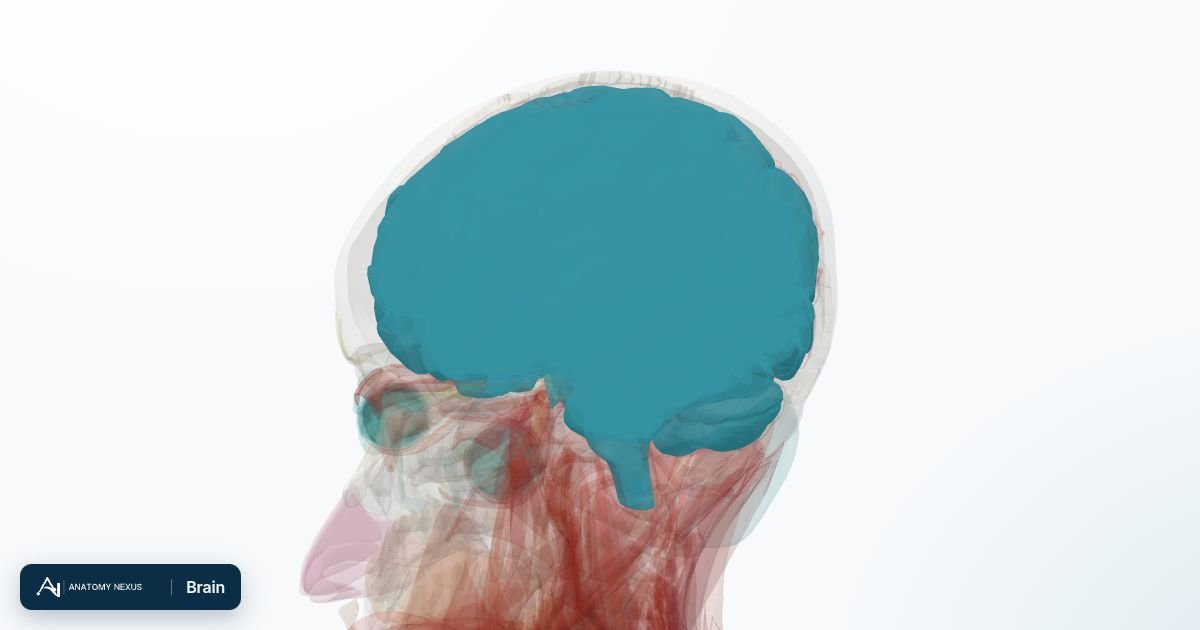
NHS Inform describes benzodiazepines as drugs that slow down the central nervous system. MedlinePlus says diazepam, as a benzodiazepine, works by calming abnormal overactivity in the brain. A review in the NIH's PubMed Central archive says benzodiazepines act mainly on the GABA-A receptor. NHS inform says tolerance can develop quickly with frequent use. The same review says regular use can cause physical and psychological dependence, with withdrawal resembling alcohol withdrawal; NHS inform adds that stopping suddenly can cause withdrawal effects that could be life-threatening.
Members of the class
Members with a page on this site are linked.
Conditions treated
Class effects
- The NHS lists feeling drowsy, tired or less alert among the common side effects of diazepam.
- Serious side effects of diazepam are rare; the NHS lists allergic reactions, slow or shallow breathing and yellowing of the skin or eyes.
Cautions
- The NHS advises against alcohol and grapefruit juice while taking diazepam because they can increase the risk of side effects.
- The NHS says diazepam should not be taken in pregnancy unless a doctor or pharmacist advises it. The manufacturer's patient leaflet says that regular use during pregnancy may cause withdrawal symptoms in the baby.
- NHS Inform says combining benzodiazepines with alcohol, gabapentinoids or opioids raises the risk of overdose.
- NHS Inform says stopping benzodiazepines suddenly can cause withdrawal effects that could be life-threatening.
- Licensed benzodiazepines such as diazepam, lorazepam and clonazepam are Class C drugs listed in Schedule 4 Part 1 of the Misuse of Drugs Regulations.
- NHS inform says benzodiazepines mixed with other depressants such as alcohol, gabapentin and opioids can pose serious health risks, and advises against taking other drugs or more benzodiazepines to deal with withdrawal symptoms.
- NHS inform says that for people who have used benzodiazepines for a shorter period, reducing use gradually can greatly ease unpleasant withdrawal symptoms.
- In an emergency, such as a suspected overdose or severe withdrawal, call 999; NHS 111 or the GP can advise urgently; Samaritans on 116 123 is free at any time.
Class interactions
Open the Drug Interaction Checker
Connected pages in detail
What each linked page on Anatomy Nexus covers, in a line, for Benzodiazepines.
Conditions
- Epilepsy A tendency to recurrent, unprovoked seizures: bursts of abnormal synchronised electrical activity in the brain.
Medications
- Diazepam Diazepam is a benzodiazepine, a type of medicine used to treat anxiety, muscle spasms and seizures.