



Z-drugs
Also known as: z-drug, non-benzodiazepine hypnotics, sleeping tablets
Z-drugs are sleeping medicines used for insomnia, and zopiclone is the member covered on this site. NICE technology appraisal TA77 covers zaleplon, zolpidem and zopiclone for short-term insomnia. The NHS describes zopiclone as a prescription-only sleeping medicine for short-term treatment of severe insomnia. MedlinePlus warns that zolpidem can cause serious, possibly life-threatening sleep behaviours, such as driving while not fully awake, without remembering it afterwards.
- Also called
- z-drug, non-benzodiazepine hypnotics, sleeping tablets
Mechanism of action
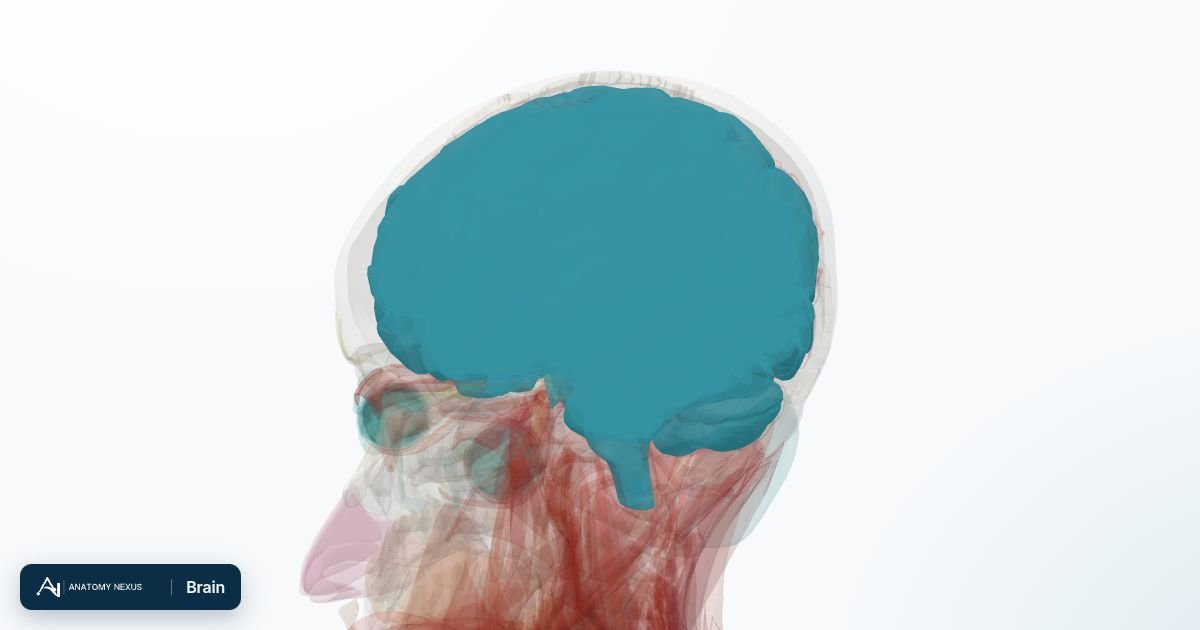
The NHS says zopiclone boosts the effect of GABA, a calming chemical in the brain. A StatPearls review says zolpidem binds preferentially to one benzodiazepine receptor subtype, whereas benzodiazepines act on all subtypes. NICE says that, as with benzodiazepines, the sedative effects of the Z-drugs may persist into the next day.
Members of the class
Members with a page on this site are linked.
Class effects
- The NHS lists a dry mouth, a bitter or metallic taste, and feeling sleepy or tired the next day as common side effects of zopiclone.
- The NHS lists sleepwalking, or doing things such as making food or phone calls while asleep, and a serious allergic reaction as possible serious side effects of zopiclone.
Cautions
- The NHS says alcohol with zopiclone can cause very deep sleep, so that breathing is not normal and waking is very difficult.
- The NHS advises against driving, riding a bike or using machinery for 12 hours after taking zopiclone.
- The NHS says the body gets used to zopiclone quickly, which is why it is usually prescribed for only 2 to 4 weeks.
- The summary of product characteristics for zopiclone says treatment should stop immediately if a complex sleep behaviour such as sleepwalking occurs.
- Zopiclone is a Class C drug in Schedule 4 Part 1 of the Misuse of Drugs Regulations.
- The NHS says zopiclone may not be suitable for people with sleep apnoea or other breathing problems, liver problems, muscle weakness, or a history of alcohol, drug or opioid addiction.
- The NHS says dependence becomes more likely with longer use, and that a doctor or pharmacist can help someone come off zopiclone gradually, as sleep problems can temporarily return.
- NICE notes that the risk of dependence and withdrawal should be considered when prescribing Z-drugs, and that rebound insomnia can occur on stopping.
- In an emergency, such as a suspected overdose or severe withdrawal, call 999; NHS 111 or the GP can advise urgently; Samaritans on 116 123 is free at any time.
Class interactions
Open the Drug Interaction Checker
Connected pages in detail
What each linked page on Anatomy Nexus covers, in a line, for Z-drugs.
Medications
- Zopiclone Zopiclone is a medicine used to treat insomnia, usually prescribed for just 2 to 4 weeks.