



Anxiety and generalised anxiety disorder
Also known as: anxiety, GAD, generalised anxiety disorder, anxiety disorder, chronic worry
Generalised anxiety disorder (GAD) is a long-term condition in which a person feels worried or anxious about many different things, much of the time.
When to seek care
A GP appointment is the usual route when anxiety is ongoing or affects daily life. If someone is in crisis but not in immediate danger, NHS 111 (mental health option) is available 24 hours a day. If there is immediate danger, call 999 or go to A&E. Samaritans on 116 123 is free and open 24 hours every day.
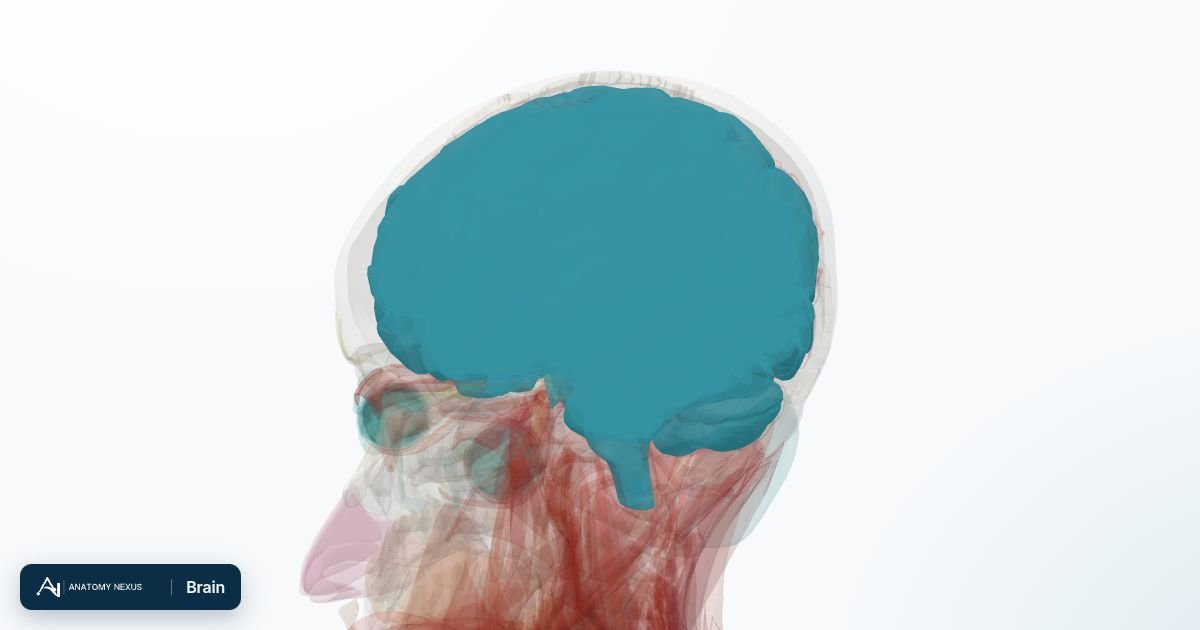
Overview
Generalised anxiety disorder (GAD) is a long-term condition in which a person worries about many situations rather than one specific event. The NHS describes persistent stress or worry that is hard to control and disrupts daily life, often alongside physical symptoms such as trouble sleeping, tiredness, dizziness or palpitations. The NHS says it affects more women than men. A GP can assess the symptoms, and NICE describes a stepped approach to treatment.
Causes
- The exact cause of GAD is not fully understood, and a combination of several factors is likely to be involved.
- The Royal College of Psychiatrists says there is no single cause, and that genes, social environment and life experiences all play a role and interact with each other.
- A history of stressful or traumatic experiences is described as a possible contributor.
Risk factors
- Having close relatives with anxiety, depression or other mental health conditions.
- The Royal College of Psychiatrists says a close family member with GAD makes an anxiety disorder several times more likely, although no single gene is responsible.
- A history of stressful or traumatic experiences.
- GAD affects more women than men.
Symptoms
What a clinician may find
- Feeling restless or worried.
- Difficulty concentrating.
- Feeling tense.
Complications
- Persistent worry that disrupts daily life and is hard to control.
- Trouble sleeping and getting tired easily.
Diagnosis
The NHS says a GP will ask about a person's worries, emotions and symptoms. A person is most likely to be diagnosed with GAD if symptoms have lasted six months or more. The GP may carry out a physical examination or blood tests to rule out other conditions that could cause the symptoms, such as an overactive thyroid gland. The NHS notes that it can be difficult to tell GAD apart from other mental health conditions, such as depression.
Treatment
NICE describes a stepped approach that offers the least intrusive, most effective intervention first. It starts with education and active monitoring in primary care. The next step covers low-intensity options such as self-help and psychoeducational groups. Higher steps include cognitive behavioural therapy (CBT) or applied relaxation. NICE says benzodiazepines should not be offered except as a short-term measure in a crisis, and that antipsychotics should not be offered in primary care. The Royal College of Psychiatrists describes SSRI antidepressants as a medicine option, with an SNRI that may be offered if SSRIs do not work.
Prevention
The sources checked do not describe a sure way to prevent GAD, and the NHS says its exact cause is not fully understood.
Key facts
| Fact | Detail |
|---|---|
| Also called | Anxiety, GAD, generalised anxiety disorder |
| Main feature | Persistent worry about many situations that is hard to control |
| Type of condition | Long-term |
| Diagnosis | A GP asks about worries, emotions and symptoms |
| Usual approach | Stepped care described by NICE: education, self-help, CBT or applied relaxation, and medicines |
| Crisis help | 999 if in immediate danger; NHS 111 mental health option; Samaritans 116 123 |
What is generalised anxiety disorder?
Generalised anxiety disorder, often shortened to GAD, is a long-term condition. The NHS and NHS inform describe it as worry about many situations rather than about one specific event. The central feature is persistent stress or worry that is hard to control and that disrupts daily life.
The NHS says that more women than men are affected, and that the condition is most common between the ages of 35 and 55. Those descriptions come from NHS pages written about adults.
GAD can be hard to separate from other mental health conditions. The NHS notes that it can be difficult to tell GAD apart from conditions such as depression. For this reason a GP looks at a person's worries, emotions and symptoms together, rather than at a single feature. The sections below set out what the sources say about the symptoms, causes, diagnosis and treatment of GAD, and when to seek help.
What are the symptoms of GAD?
The main feature of GAD is persistent stress or worry that is hard to control and that disrupts daily life. The NHS describes symptoms that affect both thoughts and the body.
Symptoms can include feeling restless or worried, having trouble concentrating, and having trouble sleeping. Physical symptoms described in NHS material include getting tired easily, feeling tense, stomach problems, feeling lightheaded or dizzy, and heart palpitations.
The NHS has a separate page on the signs of an anxiety disorder for readers who want a fuller list. The symptoms above are described as part of GAD when the worry is persistent, hard to control and disruptive to daily life. A person who recognises these symptoms in themselves or in someone close to them can talk to a GP about them.
What causes generalised anxiety disorder?
The NHS says the exact cause of GAD is not fully understood, and that a combination of several factors is likely to be involved. A history of stressful or traumatic experiences is described as one possible contributor.
The Royal College of Psychiatrists says GAD does not have a single cause. It describes genes, social environment and life experiences as all playing a role, and as interacting with each other.
Family history is mentioned by both organisations. The NHS says that close relatives with anxiety, depression or other mental health conditions raise the risk. The Royal College of Psychiatrists says that having a close family member with GAD makes an anxiety disorder several times more likely. It adds that no single gene is responsible. Instead, several genes that each have a small effect combine to raise the risk. None of this means that a person is to blame for feeling anxious.
How is GAD diagnosed?
The NHS says that a GP will ask about a person's worries, emotions and symptoms. A person is most likely to be diagnosed with GAD if the symptoms have lasted six months or more.
To help with the diagnosis, the GP may carry out a physical examination or blood tests. These are used to rule out other conditions that could be causing the symptoms, such as an overactive thyroid gland. The NHS also notes that it can be difficult to tell GAD apart from other mental health conditions, such as depression, which is one reason the GP asks about the full picture.
NICE describes a stepped approach to care. It starts with education about GAD and active monitoring in primary care. Further steps are offered for GAD that has not improved after that first stage, as the next section explains.
How is GAD treated?
NICE describes a stepped approach that offers the least intrusive, most effective intervention first. The first stage in primary care is education and active monitoring. For GAD that has not improved after that, the next step covers low-intensity options such as self-help and psychoeducational groups.
Higher steps include cognitive behavioural therapy (CBT) or applied relaxation, which are psychological treatments. NICE says the guideline does not recommend one particular method of CBT over another. For complex GAD that has not responded to treatment and that causes very marked difficulty in daily life, NICE describes highly specialist treatment.
On medicines, NICE says benzodiazepines should not be offered for GAD except as a short-term measure in a crisis, and antipsychotics should not be offered in primary care. The Royal College of Psychiatrists describes SSRI antidepressants as a medicine option, with an SNRI that may be offered if SSRIs do not work. The clinician decides with the person which options suit them.
When should someone get help?
A GP appointment is the usual route when anxiety is ongoing or affects daily life. The GP can ask about the symptoms and discuss the options described above.
If someone is in crisis but not in immediate danger, NHS 111 is available 24 hours a day and offers a mental health option for urgent mental health help. The number for that option varies by area, so it is chosen from the options on the call.
If there is immediate danger, call 999 or go to A&E. Samaritans can be reached free on 116 123, and the line is open 24 hours every day, for anyone who needs someone to talk to. These routes are for moments of crisis, while the GP is the route for ongoing anxiety.
Frequently asked questions
Can GAD be treated?
Yes, NICE describes a stepped approach to treating GAD. It starts with education and active monitoring, then low-intensity options such as self-help and psychoeducational groups, then CBT or applied relaxation. Medicines are also described in the guidance, including SSRI antidepressants. The clinician decides with the person which options suit them.
Does a family history of anxiety mean someone will develop GAD?
Not necessarily. The Royal College of Psychiatrists says a close family member with GAD makes an anxiety disorder several times more likely, but that no single gene is responsible. Genes, social environment and life experiences all play a role and interact. The NHS says the exact cause of GAD is not fully understood.
How long do symptoms last before GAD is diagnosed?
The NHS says a person is most likely to be diagnosed with GAD if they have had symptoms for six months or more. A GP asks about worries, emotions and symptoms, and may arrange a physical examination or blood tests to rule out other conditions, such as an overactive thyroid gland.
Does GAD affect men and women equally?
No. The NHS says GAD affects more women than men, and that it is most common between the ages of 35 and 55. The NHS notes that GAD can be difficult to tell apart from other mental health conditions such as depression, so a GP looks at the whole picture.
Who can someone talk to in a crisis?
Anyone in immediate danger should call 999 or go to A&E. For urgent help that is not an emergency, NHS 111 offers a mental health option and is available 24 hours a day. Samaritans can be called free on 116 123, open 24 hours every day. A GP appointment is the usual route for ongoing anxiety.
Connected pages in detail
What each linked page on Anatomy Nexus covers, in a line, for Anxiety and generalised anxiety disorder.
Symptoms
- Dizziness An umbrella word for several sensations: vertigo (the room spins, an inner-ear or brain problem), light-headedness (about to faint.
- Fatigue Persistent tiredness that rest does not fix.
Medical tests
- Thyroid function tests TSH from the pituitary and the thyroid hormones T4 and T3 measured together.