



Conjunctivitis
Also known as: pink eye
Inflammation of the conjunctiva, the clear tissue that covers the white of the eye and lines the inside of the eyelids.
When to seek care
The NHS says eye pain, sensitivity to light, changes in vision such as wavy lines or flashing, or very red eyes call for an urgent GP appointment or help from NHS 111, as these can be signs of a more serious eye problem. Moorfields advises contacting Moorfields Direct or going to a local A&E if vision becomes more blurred, eye pain becomes noticeable or blisters or spots appear on the eyelids. The NHS advises an urgent GP appointment for a baby under 30 days old with red, sticky eyes. A GP appointment is advised if symptoms have not cleared within 7 days.
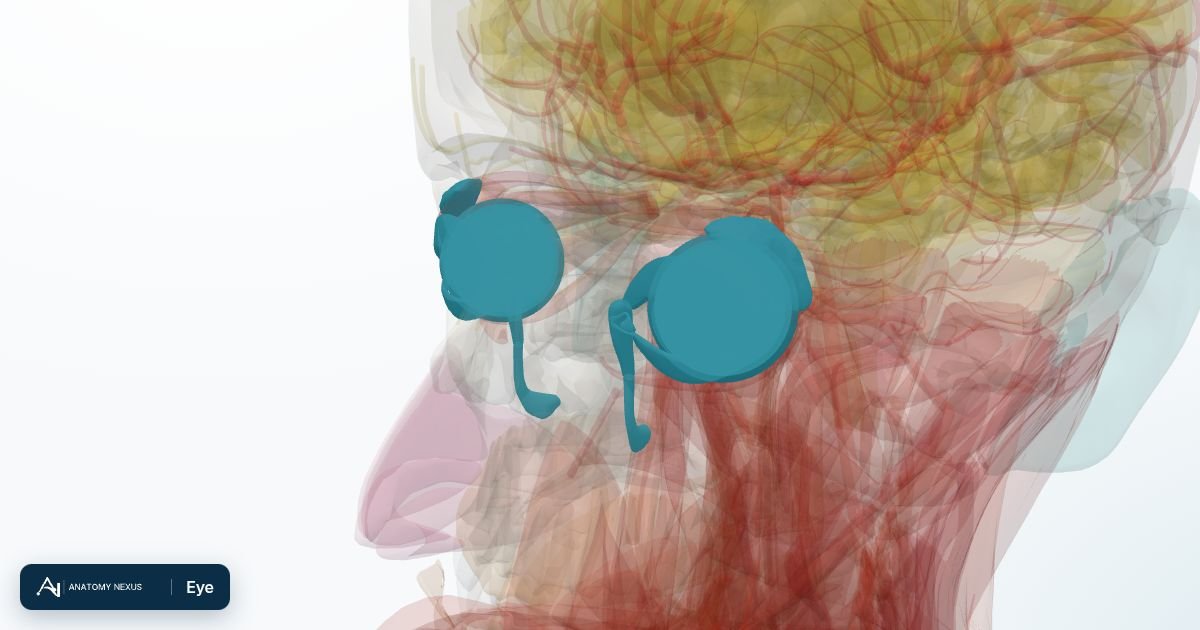
Overview
Conjunctivitis, often called pink eye, is inflammation of the conjunctiva, the clear tissue over the white of the eye and inside the eyelids. It leaves the eye red, and the eye may feel gritty, sticky or watery. NHS inform names three common causes: infection, an allergic reaction and irritation. The NHS says it usually gets better within a couple of weeks without treatment. A NICE briefing says antibiotics are not needed for most people with infective conjunctivitis.
Causes
- Infection with a virus (viral conjunctivitis), which NICE describes as the most common cause of infective conjunctivitis
- Infection with bacteria (bacterial conjunctivitis)
- An allergic reaction to allergens such as pollen, dust mites or pet dander (allergic conjunctivitis)
- Irritants such as chlorine or make-up, or something in the eye such as a loose eyelash (irritant conjunctivitis)
- Some sexually transmitted infections, which the NHS says can cause conjunctivitis that takes longer to get better
Risk factors
- Close contact with someone who has infectious conjunctivitis, because it can spread easily from person to person, for example on shared towels
Symptoms
What a clinician may find
- A watery red eye in viral conjunctivitis
- A red eye with a sticky yellow discharge in bacterial conjunctivitis
- Pus that sticks to the eyelashes in infective conjunctivitis
- Swollen eyelids in allergic conjunctivitis
Complications
- Viral conjunctivitis occasionally causes inflammation of the cornea or scarring of the conjunctiva, which can affect sight, though Moorfields says this usually responds well to treatment
- Adenoviral conjunctivitis usually clears on its own, but NICE says a person can stay infectious for up to 14 to 21 days after infection
- Repeated infection with trachoma, a chlamydial eye infection that begins as conjunctivitis, can scar the conjunctiva and lead to vision loss
Diagnosis
Viral conjunctivitis tends to cause a watery red eye, while bacterial conjunctivitis is more likely to cause a sticky yellow discharge, according to Moorfields. NICE says further tests such as a swab may be needed if the condition persists, does not respond to treatment or to help decide on treatment. NICE has also published a briefing on a point-of-care test for diagnosing adenoviral conjunctivitis.
Treatment
Most cases get better on their own. Home care described by the sources includes cleaning the eyelids with clean water or a warm flannel, using a cold compress and avoiding contact lenses until symptoms have cleared. Antibiotics do not work against a virus or an allergy, and antihistamines can ease allergic symptoms. A pharmacist can advise on eye drops or antihistamines.
Prevention
The NHS advises avoiding rubbing the eyes, washing the hands often and not sharing towels or pillows. UKHSA gives the same hygiene advice and also names flannels.
Key facts
| Fact | Detail |
|---|---|
| Also called | Pink eye |
| Common causes | Infection (viral or bacterial), allergy and irritants |
| Contagious | Infectious types can spread easily; allergic conjunctivitis is not contagious |
| Usual course | The NHS says it usually gets better within a couple of weeks without treatment |
| Antibiotics | A NICE briefing says they are not needed for most people with infective conjunctivitis |
| Urgent signs | Eye pain, sensitivity to light or changes in vision: urgent GP appointment or NHS 111 |
What is conjunctivitis?
Conjunctivitis is inflammation of the conjunctiva, the clear tissue that covers the white of the eye and the inside of the eyelids. Many people know it as pink eye. It leaves the eye red, and the eye may feel gritty, sticky or watery. The NHS says both eyes are usually affected.
NHS inform names three common causes: infection (infective conjunctivitis), an allergic reaction (allergic conjunctivitis) and irritation, for example from a loose eyelash (irritant conjunctivitis). MedlinePlus says germs are the most common cause, with viruses and bacteria the usual ones, and that chlorine or make-up can irritate the eye. Infective conjunctivitis is the kind that can be passed on. The NHS says conjunctivitis that produces sticky pus is contagious.
What are the symptoms of conjunctivitis?
The NHS describes eyes that become red, burn or feel gritty, itch and water, with pus that sticks to the lashes. Moorfields adds that the eyelids may stick together, especially in the morning, and that blurred vision from tears or discharge is common in infective conjunctivitis. Flu-like symptoms such as a sore throat, fever and muscle ache can also occur.
Viral conjunctivitis tends to cause a watery red eye. Bacterial conjunctivitis is more likely to cause a red eye with a sticky yellow discharge. NICE describes infectious conjunctivitis as an irritated red eye with a watery or pus-like discharge that often starts in one eye and spreads to the other. Allergic conjunctivitis usually affects both eyes and can bring red, itchy, watery, sore eyes, swollen eyelids and blurry vision from the excess tears. Sneezing or a runny nose can come with it. MedlinePlus says pink eye usually leaves vision intact.
How is conjunctivitis diagnosed?
Viral conjunctivitis tends to cause a watery red eye, while bacterial conjunctivitis is more likely to cause a sticky yellow discharge, according to Moorfields. NICE says the clinician may use further tests such as a swab if the condition persists, does not respond to treatment or to help decide what treatment to use.
NICE has published a briefing on a point-of-care test for diagnosing adenoviral conjunctivitis, which is a viral form. It also says people with reduced vision, or whose eye does not respond to treatment, should go to ophthalmology, the hospital eye service. The NHS lists eye pain, sensitivity to light and changes in vision such as wavy lines or flashing as signs of a more serious eye problem. Moorfields says that any significant conjunctivitis in the first 30 days of life is treated as potentially serious. Some sexually transmitted infections can cause conjunctivitis, which the NHS says takes longer to get better.
How is conjunctivitis treated?
Most cases get better on their own. Moorfields says most infections clear up within a few days to a few weeks. A NICE briefing says antibiotics are not needed for most patients with infective conjunctivitis, and that 65% recover without any treatment within 2 to 5 days of symptoms appearing. Antibiotics do not work if the cause is a virus or an allergy. NHS 111 Wales says bacterial conjunctivitis usually clears within a few days with eyelid cleaning, and that antibiotics are needed only if it does not.
Home care described by the sources includes cleaning the eyelids with clean water or a warm flannel and using a cool compress. Lubricating drops can ease grittiness but do not shorten the illness, according to Moorfields. The Moorfields leaflet says paracetamol or ibuprofen can help with discomfort. Steroid drops are occasionally used in severe cases. A pharmacist can advise on eye drops or antihistamines.
What helps with allergic conjunctivitis?
MedlinePlus describes allergic conjunctivitis as swelling or inflammation of the conjunctiva after contact with allergens such as pollen, dust mites, pet dander or mould. It says that avoiding the trigger is the best approach and that cool compresses may help soothe the eyes.
Moorfields lists avoiding eye rubbing, cold compresses, lubricant drops, antihistamine tablets and anti-allergy drops as the main options. It says anti-allergy drops need to be used every day and may take up to two weeks to work. If symptoms persist despite these measures, the GP can arrange an appointment with the local ophthalmology service, where steroid drops may be considered. NHS inform says allergic conjunctivitis can usually be treated with antihistamines. NHS 111 Wales says that allergic conjunctivitis is not contagious. Moorfields lists it as a non-emergency, in its within one week category.
How does conjunctivitis spread, and can it be prevented?
MedlinePlus says infectious pink eye can spread easily from person to person. Viral cases are especially easy to pass on and can spread through households or classrooms. They may be most contagious in the first few days. UKHSA says the infection passes on through contact with eye discharge, for example when an affected person rubs the eyes with their hands, or when a towel carries it to another person's face.
The NHS and UKHSA advise avoiding rubbing the eyes, washing the hands often and not sharing towels or pillows. UKHSA also names flannels. The NHS and Moorfields advise against wearing contact lenses while the eyes are affected. Moorfields says they should not be worn during any type of conjunctivitis.
UKHSA lists no exclusion period from school or nursery for conjunctivitis and advises contacting the health protection team if an outbreak or cluster occurs. NHS guidance on whether a child is too ill for school says children do not need to stay off unless they feel very unwell.
When should medical help be sought for conjunctivitis?
The NHS says eye pain, sensitivity to light, changes in vision such as wavy lines or flashing, or very red eyes call for an urgent GP appointment or help from NHS 111. These can be signs of a more serious eye problem, the NHS says. NHS inform says to contact an optometrist urgently for the same symptoms.
The Moorfields leaflet says to contact Moorfields Direct or go to a local A&E if vision becomes more blurred, eye pain becomes noticeable or blisters or spots appear on the eyelids. For allergic conjunctivitis, Moorfields says persistent blurred vision, significant eye pain or sensitivity to light call for contact with Moorfields, A&E or an urgent eye care service. The NHS advises an urgent appointment for a baby under 30 days old with red, sticky eyes. A GP appointment is advised if symptoms have not cleared within 7 days, or for a contact lens wearer who has spots on the eyelids, which may be a reaction to the lenses.
Frequently asked questions
Is conjunctivitis contagious?
Infectious conjunctivitis can spread easily from person to person, according to MedlinePlus, and viral cases are especially easy to pass on. UKHSA says it passes on through contact with eye discharge, such as on hands or towels. Allergic conjunctivitis is not contagious, NHS 111 Wales says. The NHS and UKHSA advise avoiding eye rubbing, washing the hands often and not sharing towels or pillows.
Do people with conjunctivitis need antibiotics?
A NICE briefing says antibiotics are not needed for most patients with infective conjunctivitis. Antibiotics do not work against a virus or an allergy. Moorfields says antibiotic drops are only helpful for bacterial cases. Whether eye drops are prescribed for a particular person is a decision for the clinician or pharmacist who sees the eye.
How long does conjunctivitis last?
The NHS says conjunctivitis usually gets better within a couple of weeks without treatment, and Moorfields says most infections clear up on their own within a few days to a few weeks. A NICE briefing says 65% of people recover without any treatment within 2 to 5 days of symptoms appearing. MedlinePlus says viral cases run their course in about 10 days. Adenoviral conjunctivitis can stay infectious for up to 14 to 21 days, NICE says.
Can contact lenses be worn with conjunctivitis?
The NHS advises against wearing contact lenses until the eyes are better. Moorfields says they should not be worn during any type of conjunctivitis. A contact lens wearer who has spots on the eyelids is advised by the NHS to see a GP, because the spots may be a reaction to the lenses.
Does a child with conjunctivitis need to stay off school?
UKHSA lists no exclusion period for conjunctivitis in schools and nurseries, and advises contacting the health protection team only if an outbreak or cluster occurs. NHS guidance on whether a child is too ill for school says children do not need to stay off unless they feel very unwell. Avoiding rubbing the eyes, washing hands often and not sharing towels are the main advice.
Connected pages in detail
What each linked page on Anatomy Nexus covers, in a line, for Conjunctivitis.
Symptoms
- Swelling (oedema) Excess fluid in the tissues.