



Genital herpes
Also known as: herpes, HSV, genital HSV, herpes simplex
Genital herpes is a sexually transmitted infection caused by the herpes simplex virus.
When to seek care
For symptoms of genital herpes, the NHS advises visiting a sexual health clinic, and many offer a walk-in service. A GP can also help but will probably refer to a sexual health clinic. In pregnancy, the NHS says to tell a midwife or doctor if genital herpes is suspected. MedlinePlus (US) advises contacting a healthcare provider if fever, headache or vomiting develop during or after an outbreak; a GP or sexual health clinic is the usual first contact in the UK. For a medical emergency, call 999.
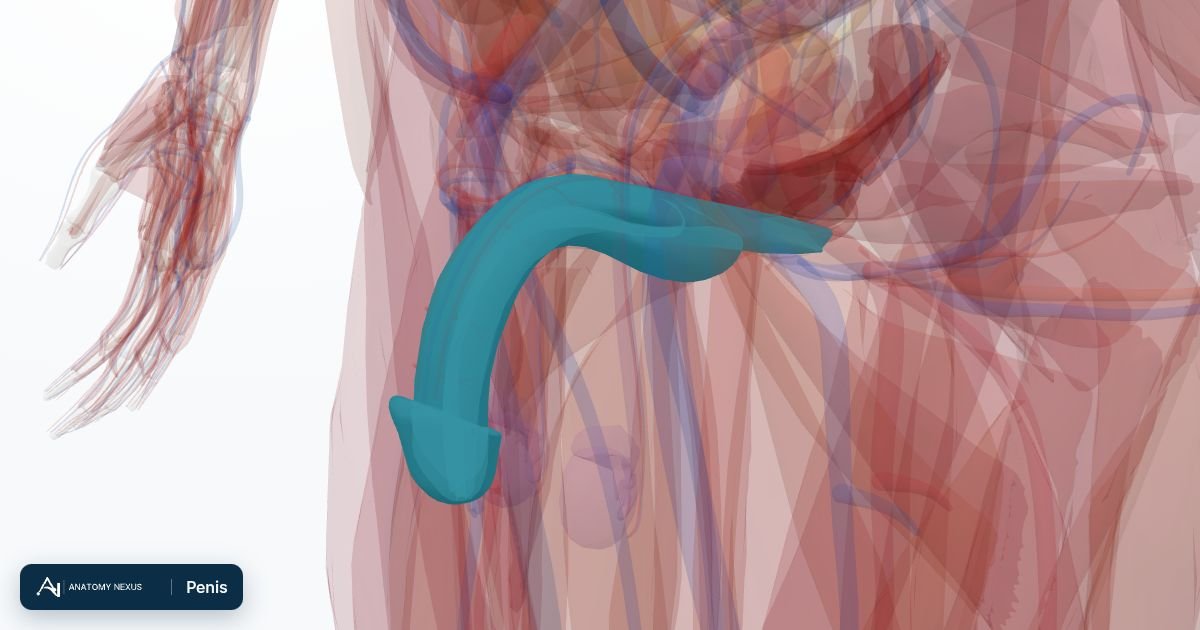
Overview
Genital herpes is a sexually transmitted infection caused by the herpes simplex virus (HSV). One type of the virus is the one that causes cold sores. NHS inform says most people with the virus do not notice any symptoms and do not know they have it. When symptoms do appear, they clear up on their own but can come back. There is no cure, but antiviral medicine and self-care can help.
Causes
- Infection with the herpes simplex virus, passed on through sex
- The virus can be passed on by skin contact with the infected area, and the NHS says it may be passed on even without symptoms
- In the UK, HSV-1 is now the most common cause of genital herpes, while HSV-2 is more likely to cause recurrent symptoms
Risk factors
- Sex with a person who has the virus, including when they have no symptoms
- Sex before the sores have fully healed
- Using a condom that does not cover the infected area
Symptoms
What a clinician may find
- Red skin and bumps in the genital area that change into blisters
- Painful blisters that burst and leave red sores on the genitals and surrounding areas
Complications
- Neonatal herpes, a serious illness in a newborn baby, which the NHS says is more likely if genital herpes is first caught in the last 6 weeks of pregnancy
Diagnosis
At a sexual health clinic, the NHS says a small swab is used to take fluid from a blister or sore for testing. The test cannot be done if there are no visible blisters or sores. A GP can also be seen, but will probably refer to a sexual health clinic if genital herpes is suspected.
Treatment
There is no cure for genital herpes. For a first episode, the NHS says antiviral medicine may be prescribed and works best if started within 5 days of symptoms appearing, and cream may be offered for the pain. Outbreaks often clear up by themselves. Some people who have frequent outbreaks may benefit from taking antiviral medicine for several months. Self-care described by the NHS includes keeping the area clean with plain or salt water, using an ice pack wrapped in a flannel, and passing urine while pouring water over the genitals.
Prevention
The NHS advises avoiding vaginal, anal and oral sex until the sores have gone away, because the virus can spread from the first tingling of an outbreak until the sores have fully healed. Condoms lower the risk of passing the virus on but do not remove it entirely, and herpes can still be passed on if the condom does not cover the infected area. US CDC guidance says suppressive antiviral treatment, taken consistently and correctly, can reduce but not eliminate the risk of passing the virus on.
Key facts
| Fact | Detail |
|---|---|
| Also called | Genital HSV, herpes simplex virus infection of the genitals |
| Caused by | Herpes simplex virus (HSV-1 or HSV-2) |
| Swab test | Fluid from a blister or sore; not possible without visible blisters or sores |
| Treatment | No cure; antiviral medicine and self-care help |
| First place to go | A sexual health clinic; a GP may refer there |
| Symptoms | Many people have none; outbreaks clear up but can come back |
What is genital herpes and what are the symptoms?
Genital herpes is an infection of the genital area caused by the herpes simplex virus. NHS inform says most people with the virus do not notice any symptoms and do not know they have it. Carrying the virus without symptoms is not a sign that anyone has done something wrong. One UK sexual health service notes that some people do not get symptoms until months or sometimes years after catching the virus.
When symptoms do appear, the same service says they usually start between two and twelve days after contact with the virus, although sources differ. A first episode can begin with red skin and bumps that change into blisters, and fever, body aches or swollen glands may also occur. The blisters burst and leave painful red sores. The World Health Organization says symptoms often begin with tingling, itching or burning near where the sores will appear.
NHS sexual health information describes a first episode as lasting two to four weeks. Symptoms clear up on their own but can come back. Repeat episodes are generally less severe and clear up more quickly than the first, and some people never have another outbreak.
How does the virus spread?
Genital herpes is passed on through sex. The NHS advises avoiding vaginal, anal and oral sex until the sores have gone away. It says the virus can spread from the first tingling of an outbreak until the sores have fully healed, and that it may also be passed on when there are no symptoms.
Two types of the virus cause genital herpes. GOV.UK says HSV-1 mainly causes cold sores but can also cause genital infection. The 2024 BASHH guideline describes HSV-1 as now the most common cause of genital herpes in the UK, while HSV-2 is more likely to cause recurrent anogenital symptoms.
Condoms lower the risk of passing the virus on but do not remove it entirely, according to the NHS. Herpes can still be passed on if the condom does not cover the infected area. Because most people with genital herpes have no symptoms or only very mild ones, the virus can be passed on by people who do not know they carry it.
How is genital herpes diagnosed?
The NHS says a sexual health clinic can test for genital herpes by taking fluid from a blister or sore with a small swab. The swab may be uncomfortable for a moment. The test cannot be done if there are no visible blisters or sores. One sexual health service notes that a sore that has become too dry may be less likely to give a positive result.
The NHS advises visiting a sexual health clinic if there are symptoms, and many clinics offer a walk-in service, so an appointment may not be needed. A GP can also be seen, but will probably refer to a sexual health clinic if genital herpes is suspected.
NHS inform advises booking an appointment with the local sexual health service for free testing.
What treatments and self-care are available?
There is no cure for genital herpes. For a first episode, the NHS says antiviral medicine is prescribed and works best if started within 5 days of symptoms appearing, and cream may be offered for the pain. Outbreaks often clear up by themselves. The NHS says some people who have frequent outbreaks may benefit from taking antiviral medicine every day for several months.
US CDC guidance says suppressive antiviral treatment reduces how often genital herpes recurs in people who have frequent recurrences, and that quality of life is improved for many of them. The CDC says suppression for HSV-1 should be reserved for those with frequent recurrences. It adds that suppressive treatment, taken consistently and correctly, can reduce but not eliminate the risk of passing the virus on.
Self-care described by the NHS includes keeping the area clean with plain or salt water and using an ice pack wrapped in a flannel. Petroleum jelly or lidocaine cream may be used, and passing urine while pouring water over the genitals can ease the pain.
Genital herpes in pregnancy
The main concern in pregnancy is neonatal herpes, a serious illness in a newborn baby. The NHS says it can be fatal, but most babies recover with treatment. The risk of passing the virus on during a vaginal birth is higher if genital herpes is caught for the first time in the last 6 weeks of pregnancy, and is much lower for people who have had genital herpes before or who catch it in early pregnancy.
The NHS says antiviral medicine is offered from around 32 weeks of pregnancy to reduce this risk. A BASHH patient leaflet describes antiviral tablets from 32 weeks until the baby is born for a first episode late in pregnancy. Some local NHS trust leaflets give different schedules, so the plan is agreed with the midwife or doctor.
BASHH algorithms recommend a planned caesarean especially if a first episode occurs within 6 weeks of delivery. A joint BASHH and Royal College of Obstetricians and Gynaecologists guideline on herpes in pregnancy and the newborn was updated in 2024. The NHS advises telling a midwife or doctor about a history of genital herpes, or if symptoms are suspected during pregnancy.
Living with genital herpes
MedlinePlus (US) says outbreaks become less frequent over time, and the CDC says the number of outbreaks tends to fall over a period of years even though the virus stays in the body. The pattern varies widely, with some people having only one outbreak or only rare ones.
MedlinePlus lists reasons to contact a healthcare provider: outbreaks that worsen despite medicine and self-care, severe pain, sores that do not heal, frequent outbreaks, and outbreaks during pregnancy. It also advises contact if fever, headache or vomiting develop during or after an outbreak. In the UK, the NHS names a sexual health clinic or a GP as the places to go with genital herpes symptoms.
The 2024 BASHH guideline covers diagnostic tests, first episodes and recurrences, treatment, preventing transmission between partners and patient-centred counselling.
Frequently asked questions
Can genital herpes be cured?
There is no cure for genital herpes, according to the NHS. Symptoms clear up on their own but can come back, and antiviral medicine can be used. The NHS says some people who have frequent outbreaks may benefit from taking antiviral medicine for several months. Self-care measures such as keeping the area clean with plain or salt water can also help.
Can the virus be passed on without sores?
Yes, the NHS says genital herpes may be passed on even when there are no symptoms. It can spread from the first tingling of an outbreak until the sores have fully healed. Condoms lower the risk but do not remove it entirely, and herpes can still be passed on if the condom does not cover the infected area.
Is it the same virus as the one that causes cold sores?
One of the two viruses involved, HSV-1, is the usual cause of cold sores, and GOV.UK says it can also cause genital infection. The 2024 BASHH guideline describes HSV-1 as now the most common cause of genital herpes in the UK. HSV-2 is more likely to cause recurrent anogenital symptoms.
How does testing work, and does it cost anything?
At a sexual health clinic, a small swab is used to take fluid from a blister or sore. The NHS says the test cannot be done if there are no visible blisters or sores. NHS inform advises booking an appointment with the local sexual health service for free testing. A GP can also be seen but will probably refer to a clinic.
Does genital herpes affect pregnancy?
The main concern is neonatal herpes, a serious illness in a newborn baby. The NHS says the risk is higher if genital herpes is caught for the first time in the last 6 weeks of pregnancy, and much lower if a person has had it before. The NHS advises telling a midwife or doctor about a history of genital herpes or suspected symptoms in pregnancy.
Connected pages in detail
What each linked page on Anatomy Nexus covers, in a line, for Genital herpes.
Symptoms
- Rash Any change in the colour or texture of the skin.
- Fever A body temperature of 38 °C (100.4 °F) or more, produced when the hypothalamus raises its set point in response to inflammatory signals.
Medical tests
- Microbiology tests Tests that find the organism causing an infection: growing it on culture, detecting its genes by PCR, its proteins by antigen tests.