



Lactose intolerance
Also known as: lactose malabsorption
Digestive symptoms such as bloating, diarrhoea and gas that follow eating or drinking foods that contain lactose, the sugar in milk.
When to seek care
A routine GP appointment is the usual route if symptoms keep coming back, particularly after eating, or if there is blood in the stool or unexplained weight loss. Anyone who thinks a child is lactose intolerant is advised by the NHS to see a GP before removing dairy from the diet. For severe or worrying symptoms outside surgery hours, NHS 111 can advise, and 999 is for emergencies.
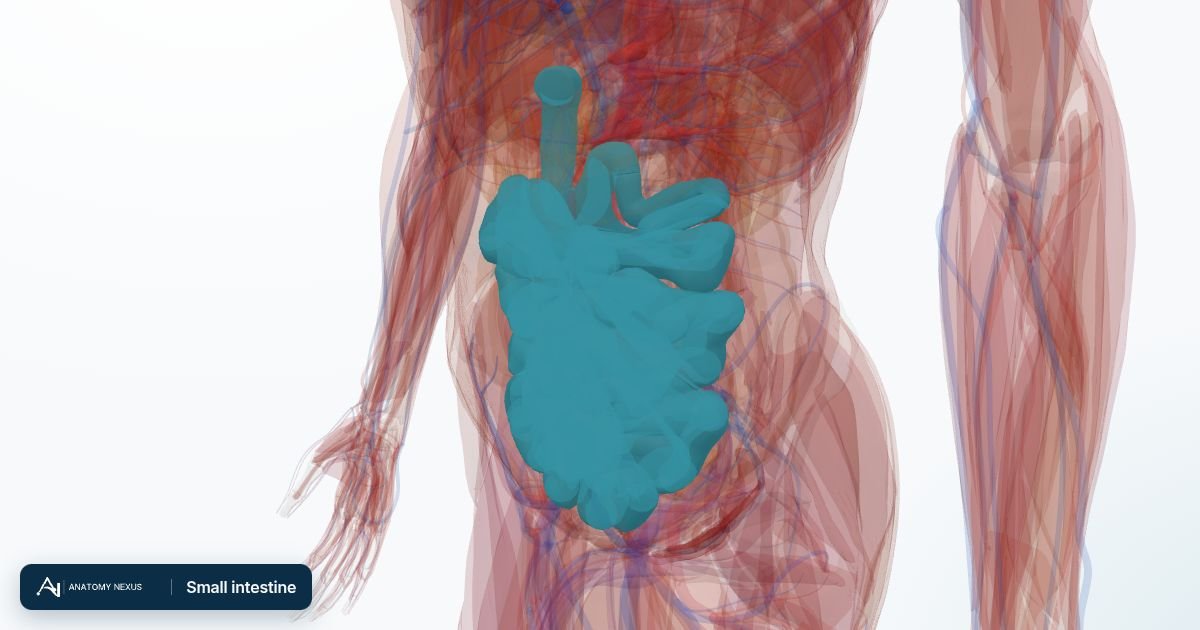
Overview
Lactose intolerance means having digestive symptoms after eating or drinking foods that contain lactose. It is tied to lactase, the enzyme that digests lactose, and MedlinePlus says it develops when the small intestine does not make enough of it. It is a different condition from a milk allergy. The NHS says most adults with lactose intolerance do not need a severely restricted or lactose-free diet, and that a GP may suggest an elimination diet, blood tests or a hydrogen breath test.
Causes
- Not producing enough lactase, the enzyme that digests lactose
- Bowel conditions, infections, surgery or injury affecting the gut
- Lactase production falling gradually after infancy (lactase nonpersistence)
- Diseases that damage the small intestine, such as coeliac disease or Crohn disease
Risk factors
- Being born too early (premature birth)
- Lactase nonpersistence is most prevalent in people of East Asian descent and very common in several other groups
- A recent diarrhoeal illness, which can trigger temporary lactose intolerance
Symptoms
What a clinician may find
- Symptoms that follow foods containing lactose, found by asking about symptoms, medical history and eating habits
- Results of an elimination diet or a hydrogen breath test, which a GP may suggest
Complications
- Risk of low calcium intake if dairy is cut out, with vitamin D and protein also at risk
- Confusion with other conditions such as irritable bowel syndrome, which can cause similar symptoms
Diagnosis
A doctor typically starts by asking about symptoms, medical history and eating habits. The NHS says a GP may suggest an elimination diet, blood tests or a hydrogen breath test. MedlinePlus describes the hydrogen breath test as the most common test.
Treatment
The NHS says most people can manage symptoms by eating less lactose or avoiding it. Taking a lactase supplement before food or drink that contains lactose may reduce or prevent symptoms for some people. The NHS warns against removing foods from a diet without advice from a GP or dietitian.
Prevention
The NHS says symptoms can be prevented by eating smaller portions of foods that contain lactose, or by cutting them out.
Key facts
| Fact | Detail |
|---|---|
| Related term | Lactose malabsorption (the underlying digestive problem) |
| Main cause | Too little lactase, the enzyme that digests lactose |
| Typical symptoms | Bloating, wind, diarrhoea and stomach pain |
| Timing | Symptoms can begin from minutes to hours after eating lactose |
| Usually diagnosed by | Symptom and diet history, an elimination diet, blood tests or a hydrogen breath test |
| Usual management | Eating less lactose; most adults do not need a severely restricted diet |
| Not the same as | Milk allergy |
What is lactose intolerance?
Lactose is the sugar found in milk and dairy foods. Lactose intolerance means digestive trouble, such as bloating, diarrhoea and gas, after eating or drinking foods that contain it. It is tied to lactase, the enzyme that breaks lactose down. MedlinePlus says it develops when the small intestine does not make enough of this enzyme.
It is a different condition from a milk allergy, which the NHS describes separately. Tolerance varies, and NIDDK says many people may not need to avoid every food that contains lactose. The NHS says most adults with lactose intolerance do not need a severely restricted or lactose-free diet. The NHS also says a lactase supplement taken before food or drink that contains lactose may help some people, and NIDDK describes lactase tablets or drops that contain the enzyme that breaks down lactose.
What are the symptoms of lactose intolerance?
The NHS lists common symptoms including stomach pain or discomfort, bloating, wind, rumbling in the stomach, diarrhoea or constipation, and nausea. The NHS says they can begin anywhere from minutes to hours after eating lactose, and MedlinePlus says they often occur 30 minutes to 2 hours after having milk products.
Other conditions can cause similar symptoms. MedlinePlus lists irritable bowel syndrome, coeliac disease, inflammatory bowel disease and small bowel bacterial overgrowth as examples. The NHS advises seeing a GP if symptoms keep coming back, especially after eating, or if there is blood in the stool or unexplained weight loss. A routine GP appointment is the usual route. The NHS also advises seeing a GP before removing dairy from a child's diet, and warns against removing foods from anyone's diet without advice from a GP or dietitian.
What causes lactose intolerance?
The NHS says the most common cause is the body producing too little lactase, the enzyme that digests lactose. It can also follow bowel conditions, infections, surgery or injury. MedlinePlus says surgery on the small intestine, infections in the small intestine (most often in children) and diseases that damage the small intestine, such as coeliac disease or Crohn disease, can lead to it. A rarer cause is a genetic variant present from birth.
MedlinePlus Genetics describes lactase nonpersistence, the gradual fall in lactase activity after infancy, as occurring in most people. It says this is most prevalent in people of East Asian descent and also very common in people of West African, Arab, Jewish, Greek and Italian descent. Some premature babies are lactose intolerant, and the condition usually improves without treatment as the baby gets older.
MedlinePlus says that when a temporary diarrhoeal illness was the trigger, lactase levels return to normal within a few weeks. A UK NHS clinical guidance page describes intolerance after gastroenteritis as mainly temporary.
How is lactose intolerance diagnosed?
A doctor typically starts by asking about symptoms, medical history and eating habits. The NHS says a GP may suggest an elimination diet, blood tests or a hydrogen breath test. MedlinePlus describes the hydrogen breath test as the most common test, and says that if breath hydrogen levels rise and symptoms get worse during the test, a doctor may diagnose lactose intolerance.
Because irritable bowel syndrome, coeliac disease, inflammatory bowel disease and small bowel bacterial overgrowth can cause symptoms similar to those of lactose intolerance, a doctor considers these as well, according to MedlinePlus. The NHS advises seeing a GP rather than removing dairy from a child's diet without advice. Anyone with symptoms that keep returning, particularly after eating, can book a routine GP appointment to talk through the options.
How is lactose intolerance managed day to day?
The NHS says most people can manage symptoms by eating less lactose or avoiding it, and that most adults with lactose intolerance do not need a severely restricted or lactose-free diet. It says eating smaller portions of foods that contain lactose, or cutting them out, can prevent symptoms. A lactase supplement taken before food or drink that contains lactose may reduce or prevent symptoms for some people.
NIDDK suggests that lactose-free and lactose-reduced milk and milk products may help lower the amount of lactose in the diet. The NHS says that anyone who cannot or chooses not to eat dairy may be at risk of not getting enough calcium, and calcium-fortified plant milks count as a dairy alternative. MedlinePlus lists vitamin D and protein as other nutrients at risk, and suggests asking a health care provider about calcium supplements with vitamin D. The NHS warns against removing foods from anyone's diet without advice from a GP or dietitian.
Frequently asked questions
Is lactose intolerance the same as a milk allergy?
No. The NHS describes milk allergy as a different condition, and lactose intolerance is tied to too little lactase, the enzyme that digests lactose. It causes digestive symptoms such as bloating, diarrhoea and gas. Anyone unsure which applies is advised by the NHS to see a GP if symptoms keep coming back.
Do people with lactose intolerance have to avoid all dairy?
Not necessarily. The NHS says most adults with lactose intolerance do not need a severely restricted or lactose-free diet, and NIDDK says many people may not need to avoid every food that contains lactose. The NHS warns that cutting out dairy can put calcium intake at risk, so it advises asking a GP or dietitian before removing foods.
Can lactose intolerance go away?
It depends on the cause. When it follows a short diarrhoeal illness, MedlinePlus says lactase levels return to normal within a few weeks. A UK NHS clinical guidance page describes intolerance after gastroenteritis as mainly temporary. MedlinePlus Genetics describes the gradual fall in lactase activity after infancy as occurring in most people.
How do doctors test for lactose intolerance?
The NHS says a GP may suggest an elimination diet, blood tests or a hydrogen breath test. MedlinePlus describes the hydrogen breath test as the most common test. If breath hydrogen levels rise and symptoms get worse during the test, a doctor may diagnose lactose intolerance.
Do lactase supplements work?
The NHS says taking a lactase supplement before having food or drink that contains lactose may reduce or prevent symptoms for some people. NIDDK describes lactase tablets or drops that contain the enzyme that breaks down lactose. The NHS advises asking a GP or dietitian before changing the diet.
Connected pages in detail
What each linked page on Anatomy Nexus covers, in a line, for Lactose intolerance.
Conditions
- Inflammatory bowel disease Chronic inflammation of the gut driven by an abnormal immune response: ulcerative colitis affects the colon's lining continuously from the rectum.
Symptoms
- Abdominal pain Pain between the ribs and the pelvis.
- Nausea The unpleasant sensation of being about to vomit.
- Vomiting Forceful emptying of the stomach through the mouth, a protective reflex run by the brainstem that closes the airway.