



Multiple sclerosis (MS)
Also known as: MS
A lifelong condition in which the immune system mistakenly attacks nerves in the brain and spinal cord.
When to seek care
The NHS says to call 999 or go to A&E for sudden weakness or numbness in one arm, loss or blurring of vision, or problems with balance and coordination. For suspected MS symptoms, the NHS advises seeing a GP, who refers the person to a neurologist. For people already diagnosed, MedlinePlus lists reasons to contact a healthcare provider, including worsening pain, recent falls, and choking or coughing when eating.
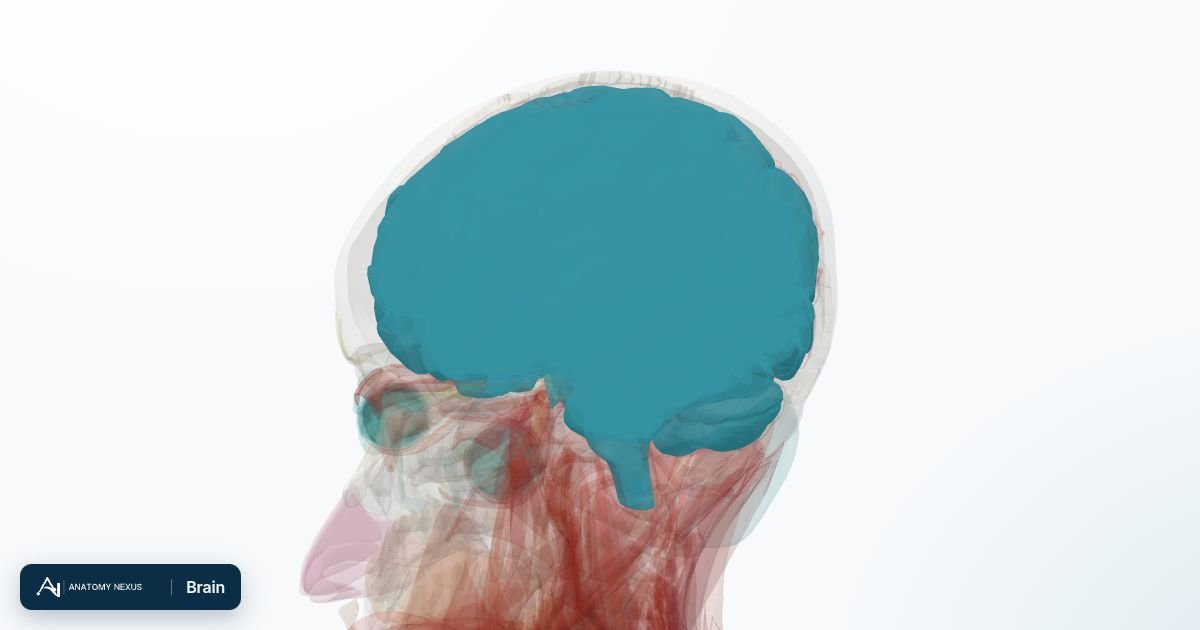
Overview
Multiple sclerosis (MS) is a lifelong condition that affects the brain and spinal cord. NINDS describes it as an autoimmune disease in which the immune system becomes misdirected and attacks healthy tissue, and says the cause is still unknown. The MS Society says symptoms can come and go and can change over time. NICE says symptoms usually begin in a person's 20s or 30s. There is currently no cure, but the NHS says treatments can slow progression and help ease symptoms.
Causes
- NINDS describes MS as an autoimmune disease in which the immune system becomes misdirected and attacks healthy tissue, and says the exact cause is still unknown.
- NINDS says genetic alterations, environmental exposures and immunologic factors make the development of MS more likely.
- NINDS reports that people with higher vitamin D levels or more sun exposure appear less likely to develop MS.
Risk factors
- Epstein-Barr virus, which causes infectious mononucleosis, is the infection NINDS describes as most consistently linked to the development of MS.
- People who smoke are more likely to develop MS and tend to have a more aggressive disease course, according to NINDS.
- Lower vitamin D levels or less sun exposure, which NINDS links with a higher likelihood of MS.
- Genetic alterations, according to NINDS.
- Women are more likely than men to develop MS, according to NINDS.
Symptoms
What a clinician may find
- Areas of scar-like tissue, called lesions or plaques, in the brain and spinal cord, which result from the immune system attacking myelin and are visible on an MRI scan.
- The return of old symptoms because of triggers, which an NHS trust describes as decompensation or pseudo-relapse.
Complications
- Worsening symptoms that lead to increased disability over time in some people.
- Relapses, when new symptoms develop or existing symptoms worsen.
- Bladder problems.
Diagnosis
The NHS says there is no single test for MS. A GP who suspects MS refers the person to a neurologist, who asks about symptoms. MedlinePlus lists an MRI scan, blood tests to rule out other conditions, and a lumbar puncture among the tools used. NINDS says doctors can often diagnose MS from a person's symptoms and characteristic signs on an MRI scan.
Treatment
There is currently no cure, but the NHS says treatments can slow progression and ease symptoms. Disease-modifying therapies can reduce the number and severity of relapses, and are only prescribed to people whose MS meets specific criteria. Steroids are used for relapses, and NICE says treatment for a relapse that would benefit from it should be offered within 14 days of symptoms starting. Symptom management can include muscle relaxants, physiotherapy and cognitive behavioural therapy, which the NHS says can help with anxiety, depression and fatigue.
Prevention
NINDS says the cause of MS is still unknown, and the sources reviewed do not describe a proven way to prevent it. NINDS reports that people who smoke are more likely to develop MS.
Key facts
| Fact | Detail |
|---|---|
| Type | A lifelong condition of the brain and spinal cord |
| Main forms | Relapsing remitting, secondary progressive and primary progressive |
| Diagnosis | No single test; the GP refers to a neurologist |
| Cure | None at present; treatments slow progression and ease symptoms |
| In the UK | About 130,000 people, according to NICE |
| Usual start | Symptoms usually begin in a person's 20s or 30s, according to NICE |
| Emergency signs | Sudden one-arm weakness or numbness, vision loss or balance problems: call 999 or go to A&E |
What are the symptoms of MS?
The NHS lists fatigue, blurred vision or eye pain, numbness or tingling, balance problems, bladder problems and difficulty with memory or concentration among the symptoms of MS. The MS Society says that symptoms can come and go and can change over time.
The MS Society explains that fatigue in MS is not just the ordinary tiredness that follows a hard day's work. It lists numbness and tingling among the common symptoms, and notes that tingling can last a few minutes or hours and can also be a sign of anxiety, so the pattern alone does not point to MS.
Heat can affect symptoms. The MS Society says some people feel worse when they are too hot or too cold, and it uses the name Uhthoff's phenomenon for the effect of heat, with symptoms usually going back to earlier levels as the body cools. MedlinePlus says fever, hot baths, sun exposure and stress can trigger or worsen attacks.
What are the types of MS, and what is a relapse?
The NHS describes three main types of MS: relapsing remitting, secondary progressive and primary progressive. Relapsing remitting is the most common pattern, with flare-ups followed by periods of improvement, and over time it often turns into secondary progressive MS. In secondary progressive MS, symptoms persist and gradually worsen. In primary progressive MS, symptoms steadily worsen from the start without periods of remission, and this form is less common.
NICE says a relapse is diagnosed when a person develops new symptoms or has worsening of existing symptoms that last more than 24 hours, in the absence of infection or any other cause, after a stable period of at least one month. NICE adds that infection, particularly urinary tract and respiratory infection, should be ruled out first.
An NHS trust describes the return of old symptoms because of triggers as decompensation or pseudo-relapse. It says this is not due to new inflammatory activity and that steroids are not helpful for it.
How is MS diagnosed?
The NHS says there is no single test for MS. If a GP thinks a person could have MS, the GP refers them to a neurologist, a specialist in the brain and nerves, who asks about their symptoms. NHS guidance lists blood tests to check for similar conditions, an MRI scan and a lumbar puncture among the tests that may be used.
NINDS describes the scar-like areas, called plaques or lesions, that result from the immune attack on myelin, and says they can be seen on an MRI scan. It adds that identifying this damage could allow a full diagnosis of MS even after a single attack.
NICE says its committee based the diagnostic recommendations on the McDonald criteria and stressed excluding fever and infection, which can mimic the symptoms of MS.
How is MS treated?
The NHS says there is currently no cure for MS, but treatments can slow its progression and help ease symptoms. The choice of medicine depends on the type of MS and the symptoms, and it often changes over time.
The NHS lists steroids for relapses and disease-modifying therapies, which reduce how often relapses happen and how severe they are. These therapies are only prescribed to people whose MS meets specific criteria, which for secondary progressive MS include the number of relapses. NINDS says steroids calm inflammation and speed recovery from attacks, but do not change the long-term course of the disease. NICE says adults with a relapse that would benefit from treatment should be offered it as soon as possible and within 14 days of symptoms starting.
NHS Scotland says symptom management covers fatigue, spasticity, bladder and bowel problems, pain and mental health, often with physiotherapy and other specialist support. The NHS says cognitive behavioural therapy can help with anxiety, depression and fatigue.
What is the outlook for someone with MS?
NICE describes MS as a permanent condition. It says MS affects approximately 130,000 people in the UK and is the most common cause of serious physical disability in adults of working age. NICE adds that symptoms usually begin in a person's 20s or 30s.
NINDS says most people with MS have a normal life expectancy. It reports that a small number of people have mild symptoms with little disability, while others have worsening symptoms that lead to increased disability over time. MedlinePlus likewise says life expectancy can be normal or almost normal. The MS Society notes that symptoms can come and go and can change over time.
NICE says there is currently no cure for MS, but many symptoms can be treated and there are medicines that can help people have fewer and less severe relapses.
When should someone get medical help for MS symptoms?
The NHS advises seeing a GP for anyone who thinks they have symptoms of MS. If the GP suspects MS, the person is referred to a neurologist, because there is no single test.
The NHS says to call 999 or go to A&E for sudden weakness or numbness in one arm, loss or blurring of vision, or problems with balance and coordination.
For people already diagnosed with MS, MedlinePlus lists reasons to contact a healthcare provider, including pain that is becoming worse, recent falls, and choking or coughing when eating. It also lists signs of a bladder infection, such as fever and burning when passing urine, as a reason to get in touch with a provider.
Frequently asked questions
Can MS be cured?
The NHS says there is currently no cure for MS, but treatments can slow progression and help ease symptoms. NICE's public information says it is possible to treat many of the symptoms, and that there are medicines that can help people have fewer and less severe relapses.
Who diagnoses multiple sclerosis?
The NHS says a GP who thinks a person could have MS refers them to a neurologist, and that there is no single test. The tests that may be used include an MRI scan, a lumbar puncture, and blood tests to check for other conditions that are similar to MS.
What is a relapse?
NICE says a relapse is when new symptoms develop or existing symptoms worsen for more than 24 hours, in the absence of infection or any other cause, after a stable period of at least one month. An NHS trust says the return of old symptoms because of triggers is called a pseudo-relapse, and that steroids are not helpful for it.
Does MS shorten life expectancy?
NINDS states that most people with MS have a normal life expectancy. It adds that a small number of people have mild symptoms with little disability, while others have worsening symptoms that lead to increased disability over time. The MS Society says symptoms can come and go and can change over time.
Connected pages in detail
What each linked page on Anatomy Nexus covers, in a line, for Multiple sclerosis (MS).
Symptoms
- Fatigue Persistent tiredness that rest does not fix.
- Numbness Reduced or absent feeling in part of the body.
- Weakness Loss of muscle power, distinct from tiredness or heaviness.
Imaging
- MRI scan Magnetic resonance imaging uses a strong magnet and radio waves, not radiation, to produce detailed pictures of soft tissue: the brain, spinal cord.
Guides and news
- Lumbar puncture: what happens and what to expect A lumbar puncture uses a needle in the lower back to collect the fluid around the spinal cord, and the pressure of the fluid may also be measured.
- MHRA recalls one batch of fingolimod The MHRA issued a Class 2 recall of one batch of Fingolimod Zentiva capsules on 20 August 2026 as a precaution over possible metal particle…