



Post-traumatic stress disorder (PTSD)
Also known as: PTSD, post-traumatic stress disorder, complex PTSD
A mental health condition that can develop after very stressful, frightening or distressing events.
When to seek care
If a person is in immediate danger or may be about to harm themselves, call 999 or go to A&E. For urgent mental health help that is not an emergency, NHS 111 has a mental health option. Samaritans are free to call on 116 123, 24 hours a day. NHS Inform advises contacting a GP if problems continue about 4 weeks after a traumatic experience. The NHS says people can refer themselves directly to a talking therapies service.
Overview
PTSD is a mental health condition that can follow a very stressful, frightening or distressing event, such as a serious accident, an assault or childbirth. Re-experiencing the event through flashbacks, nightmares and distressing images is the most typical symptom. People may also avoid reminders, feel low or feel constantly on edge. Treatment is available, and talking therapies come first.
Causes
- Experiencing a very stressful, frightening or distressing event, or a prolonged traumatic experience.
- Events linked to PTSD include serious accidents, physical or sexual assault, abuse, childbirth experiences and the death of someone close.
- Seeing other people hurt or in distress during a person's job is sometimes called secondary trauma.
- Complex PTSD is linked to repeated or long-term trauma.
- People with PTSD have abnormal levels of stress hormones.
Risk factors
- A history of depression or anxiety
- Limited support from family or friends
- A genetic factor may be involved
- Trauma over a long period of time
Symptoms
What a clinician may find
- Hypervigilance, with constant awareness of possible threats
- Jumpiness and irritability
- Sleep problems
- Avoiding reminders of the traumatic event
Complications
- Depression, emotional numbing and drug or alcohol misuse can occur alongside PTSD
- Difficulties in relationships can feature in complex PTSD
Diagnosis
The NHS says a GP will ask about a person's symptoms and can refer them to a mental health specialist. NICE-based material notes that symptoms must persist beyond a month before PTSD can be diagnosed.
Treatment
The NHS lists talking therapies and medicine as the main treatments. Trauma-focused CBT and EMDR are the main talking therapies. NICE says venlafaxine or an SSRI such as sertraline should be considered for adults who prefer drug treatment. NHS 111 Wales says treatment is likely to be offered if symptoms have lasted more than 4 weeks or are severe.
Prevention
NICE advises against offering drug treatments, including benzodiazepines, to prevent PTSD in adults.
Key facts
| Fact | Detail |
|---|---|
| Also called | Post-traumatic stress disorder; complex PTSD is a related term |
| Main symptom groups | Re-experiencing, avoidance and numbing, feeling on edge, low mood |
| When it can start | Straight after an event, or weeks, months or years later |
| Usually diagnosed by | A GP asks about symptoms and can refer to a specialist |
| Main talking therapies | Trauma-focused CBT and EMDR |
| Medicines | NICE says venlafaxine or an SSRI such as sertraline can be considered for adults who prefer drug treatment |
| Crisis help | 999 if in immediate danger; Samaritans 116 123, free, any time |
What is PTSD?
PTSD stands for post-traumatic stress disorder. The NHS describes it as a mental health condition that can follow a very stressful, frightening or distressing event, or a prolonged traumatic experience. It lists serious accidents, physical or sexual assault, abuse, traumatic events at work, serious health problems, childbirth experiences, the death of someone close, war and torture among the events that can lead to it. Mind adds that seeing other people hurt or in distress during a person's job is sometimes called secondary trauma.
Symptoms can begin straight after an event, or weeks, months or even years later. The NHS estimates that PTSD affects about 1 in every 3 people who have a traumatic experience, and it says it is not clear exactly why some people develop it and others do not. NHS 111 Wales says about 2 in every 3 people who have problems after a traumatic experience get better within a few weeks without treatment. Treatment is available, and talking therapies come first.
What are the symptoms of PTSD?
The NHS says the most typical symptom is re-experiencing the event, which means involuntarily and vividly reliving it. This can involve flashbacks, nightmares, and repetitive, distressing images or sensations. Avoidance is also common, such as steering clear of places or conversations that remind a person of the event, and feeling numb or cut off.
NHS Scotland describes a state of being alert or on edge that includes panic when reminded of the trauma, jumpiness, irritability and sleep problems. Hypervigilance, which means constant awareness of possible threats, is part of this on-edge state. For adults, the NHS also lists finding it difficult to control feelings and emotions, low mood, and being more irritable or angry than usual. In children, the NHS describes signs that include re-enacting the trauma through play and wetting the bed, even if the child did not before the traumatic event.
What is complex PTSD?
The NHS says complex PTSD shares its core symptoms with PTSD but adds feelings of worthlessness, shame and guilt, problems controlling emotions, finding it hard to feel connected with other people, and difficulties in relationships. NHS Inform adds dissociation and risky behaviour. The NHS links complex PTSD to repeated or long-term trauma, and lists childhood abuse or neglect, domestic violence, sexual abuse, torture, sex trafficking, slavery and war as examples. Mind says people with complex PTSD may be especially prone to emotional flashbacks, in which they feel intense emotions from the original trauma, such as fear, shame, sadness or despair.
The NHS says psychological therapies used for PTSD, such as trauma-focused CBT, may be offered, and EMDR is also named. NHS Inform notes that many people need longer-term, intensive support. The Royal College of Psychiatrists says work with a therapist often happens in three stages, although a person may not need all of them or may repeat some. The first stage, stabilisation, is designed to help a person regain control over anxiety and re-experiencing symptoms, and sometimes it is the only help needed.
What causes PTSD and who is more likely to develop it?
The NHS says a history of depression or anxiety, or limited support from family or friends, can raise the chance of developing PTSD after a traumatic event. It says a genetic factor may also be involved. Mind lists trauma over a long period of time, and having little or no support from friends, family or professionals, as factors that raise the risk. For complex PTSD, the NHS notes a higher risk when the trauma happens at a young age or when the harm comes from someone close.
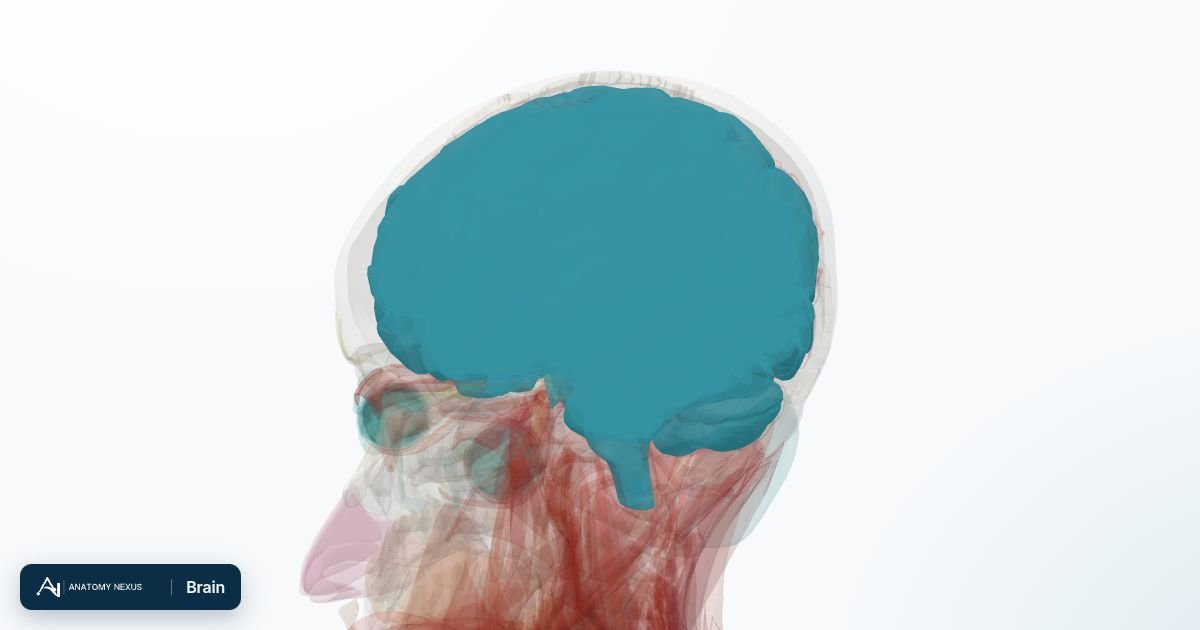
On the biology, the NHS says studies have shown that people with PTSD have abnormal levels of stress hormones. It also reports that parts of the brain involved in emotional processing appear different on brain scans, and that the hippocampus appears smaller in size. The NHS describes these as findings in people with PTSD, and it says it is not yet clear exactly why some people who go through a traumatic experience develop the condition while others do not.
How is PTSD diagnosed and treated?
The NHS says a GP will ask about a person's symptoms and can refer them to a mental health specialist, such as a talking therapies service or a psychiatrist. NICE-based material notes that symptoms must persist beyond a month before PTSD can be diagnosed. NHS 111 Wales says treatment is likely to be offered if symptoms have lasted more than 4 weeks or are severe, and it describes watchful waiting as monitoring symptoms to see whether they improve or get worse without treatment.
The NHS lists talking therapies and medicine as the main treatments, and trauma-focused CBT and EMDR as the main talking therapies. NICE advises offering individual trauma-focused CBT to adults who first seek help more than a month after a traumatic event, and EMDR to adults whose symptoms appear more than 3 months after a non-combat-related trauma. NICE says venlafaxine or an SSRI such as sertraline should be considered for adults who prefer drug treatment. For children and young people, the NHS says trauma-focused CBT is usually recommended, with EMDR for those who do not respond to it. NICE advises that drug treatments should not be offered to under-18s for PTSD.
Living with PTSD and when to get help
The NHS suggests talking to a friend, family member or online support group, keeping a diary to spot triggers such as particular smells or sounds, trying breathing exercises, staying active, eating well and getting enough sleep. It advises against recreational drugs, smoking and heavy drinking. Mind's self-care page describes slow breathing, grounding techniques that keep a person connected to the present during flashbacks, and a sensory box of items that help with grounding.
NHS Inform advises contacting a GP if problems continue about 4 weeks after a traumatic experience. The NHS says people can refer themselves directly to a talking therapies service. If a person is in immediate danger or may be about to harm themselves, call 999 or go to A&E. For urgent mental health help that is not an emergency, NHS 111 has a mental health option. Samaritans are free to call on 116 123, 24 hours a day.
Frequently asked questions
Can PTSD get better?
NHS 111 Wales says about 2 in every 3 people who develop problems after a traumatic experience get better within a few weeks without treatment. Where symptoms last longer, the NHS lists talking therapies and medicine as the main treatments, with trauma-focused CBT and EMDR the main talking therapies. A GP can ask about symptoms and refer a person to a specialist.
How long after a trauma can PTSD start?
The NHS says PTSD can develop immediately after a disturbing event, or weeks, months or even years later. NHS Inform advises contacting a GP if problems continue about 4 weeks after a traumatic experience. For a diagnosis, symptoms must persist beyond a month. NHS 111 Wales says treatment is likely to be offered if symptoms have lasted more than 4 weeks or are severe.
What is the difference between PTSD and complex PTSD?
The NHS says complex PTSD shares its core symptoms with PTSD but adds feelings of worthlessness, shame and guilt, problems controlling emotions and difficulties in relationships. It is linked to repeated or long-term trauma. Psychological therapies used for PTSD, such as trauma-focused CBT, may be offered, and the Royal College of Psychiatrists says treatment often happens in stages.
Can children have PTSD?
The NHS describes signs in children that include re-enacting the trauma through play and wetting the bed, even if the child did not before the traumatic event. Trauma-focused CBT is usually recommended for children and young people, with EMDR offered to those who do not respond to it. NICE advises that drug treatments should not be offered to under-18s for the prevention or treatment of PTSD.
Can people get talking therapy without seeing a GP?
The NHS says people can refer themselves directly to a talking therapies service, so a GP referral is not always needed. If a GP thinks a person has PTSD, the GP will ask about symptoms and can refer them to a mental health specialist, such as a talking therapies service or a psychiatrist.
Who can someone contact in a mental health crisis?
In a mental health crisis, call 999 or go to A&E if there is immediate danger or someone may be about to harm themselves. NHS 111 has a mental health option for urgent help that is not an emergency. Samaritans are free to call on 116 123, 24 hours a day.
Connected pages in detail
What each linked page on Anatomy Nexus covers, in a line, for Post-traumatic stress disorder (PTSD).
Medications
- Sertraline and SSRIs A selective serotonin reuptake inhibitor (SSRI) antidepressant used for depression, anxiety disorders, panic and obsessive-compulsive disorder.