



5-alpha reductase inhibitors
Also known as: 5-ARIs, 5-alpha-reductase inhibitors
A group of medicines that stop testosterone turning into the hormone DHT; finasteride, described by the NHS for an enlarged prostate and male pattern hair loss, is one of them. The MHRA has issued safety warnings about psychiatric side effects and sexual dysfunction for finasteride and dutasteride. MedlinePlus (a US source) says dutasteride is used to treat benign prostatic hyperplasia, an enlarged prostate gland, and belongs to the 5-alpha reductase inhibitors. The NHS says finasteride for hair loss is available only on a private prescription, not on the NHS.
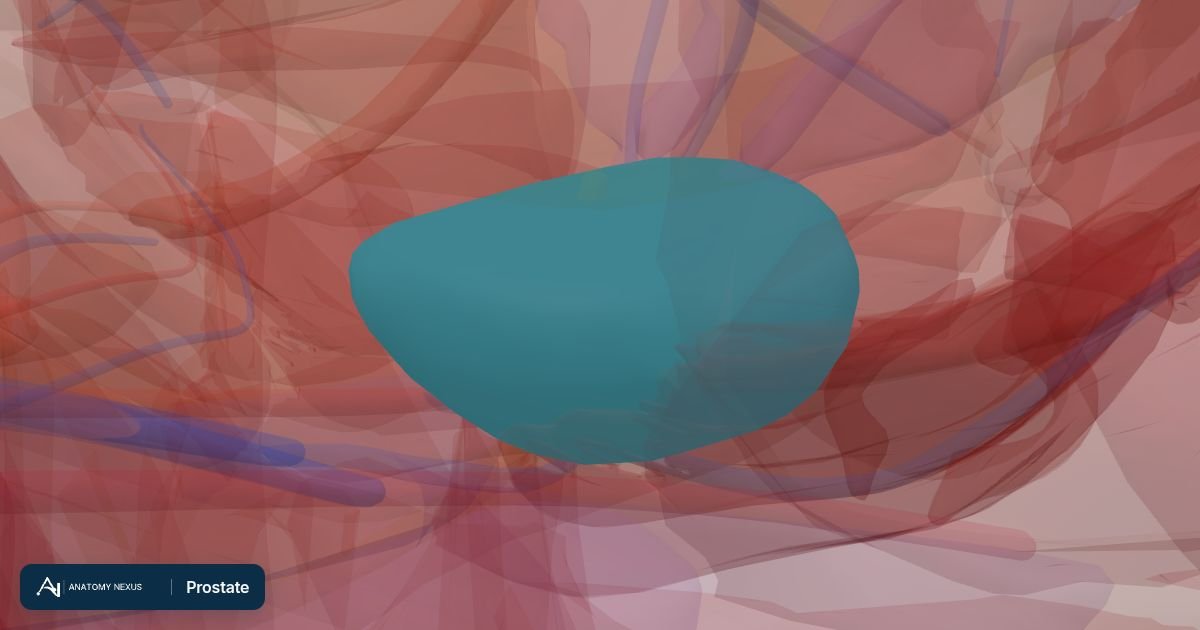
- Also called
- 5-ARIs, 5-alpha-reductase inhibitors
Mechanism of action
These medicines work by stopping testosterone, a sex hormone, turning into another hormone called dihydrotestosterone (DHT). Reviews describe dutasteride as blocking both type 1 and type 2 of the 5-alpha reductase enzyme, whereas finasteride mainly blocks type 2, and dutasteride lowers blood DHT further than finasteride does. A systematic review found insufficient evidence that either finasteride or dutasteride has an advantage over the other in efficacy or safety for clinically important outcomes.
Members of the class
Members with a page on this site are linked.
Class effects
- Sexual side effects such as losing interest in sex and difficulty getting an erection are the main side effects the NHS lists for finasteride, and some men report them continuing after stopping.
- The MHRA says finasteride is associated with depression, suicidal thoughts and sexual dysfunction, and has added a precautionary warning for dutasteride.
- StatPearls lists erection problems, reduced sex drive and difficulty ejaculating among the sexual side effects of dutasteride, and advises that breast enlargement or tenderness be reported.
- StatPearls notes that sexual side effects may persist after dutasteride is stopped.
Cautions
- Finasteride can affect PSA blood test results, so the NHS advises telling the doctor about it if a PSA test is due.
- For depression or suicidal thoughts, MHRA guidance for finasteride is to contact a healthcare professional urgently; if someone is in immediate danger, call 999 or go to A&E.
- The NHS says most men aged 18 or over can take finasteride, but it is generally not recommended for women or children.
- The NHS lists depression or thoughts of self-harm, severe bladder problems and liver problems among the things to mention to the doctor before starting finasteride.
- The NHS says it is very unlikely that a partner taking finasteride will harm a woman or her baby.
- MedlinePlus (a US source) says dutasteride is for use only in men, and that women who are or may become pregnant should not handle dutasteride capsules.
- The NHS says anyone with thoughts of harming themselves should call 999 or go to A&E; for low mood or distress, NHS 111 (mental health option) and Samaritans on 116 123, free at any time, can help.
Class interactions
Open the Drug Interaction Checker
Connected pages in detail
What each linked page on Anatomy Nexus covers, in a line, for 5-alpha reductase inhibitors.
Medications
- Finasteride Finasteride is a tablet that stops testosterone turning into the hormone DHT, used for an enlarged prostate and for male pattern hair loss.
Guides and news
- Prostate problems: symptoms and seeing a GP Prostate symptoms are mostly urinary, such as a weak flow or going more often.