



Prostate problems: symptoms and seeing a GP
Prostate symptoms are mostly urinary, such as a weak flow or going more often. Causes include enlargement, infection and cancer.
Key points
- The NHS describes urinary changes, such as a weak flow, dribbling and needing to pee more often, as the main signs of an enlarged prostate.
- Prostate Cancer UK says urinary changes are more often linked to a common non-cancerous enlargement than to cancer.
- Early prostate cancer can cause no symptoms, according to NHS inform.
- The NHS says to see a GP if there are any symptoms of an enlarged prostate.
- The NHS enlarged prostate page says to ask for an urgent GP appointment or get help from NHS 111 if a man cannot pee at all.
What are the common prostate symptoms?
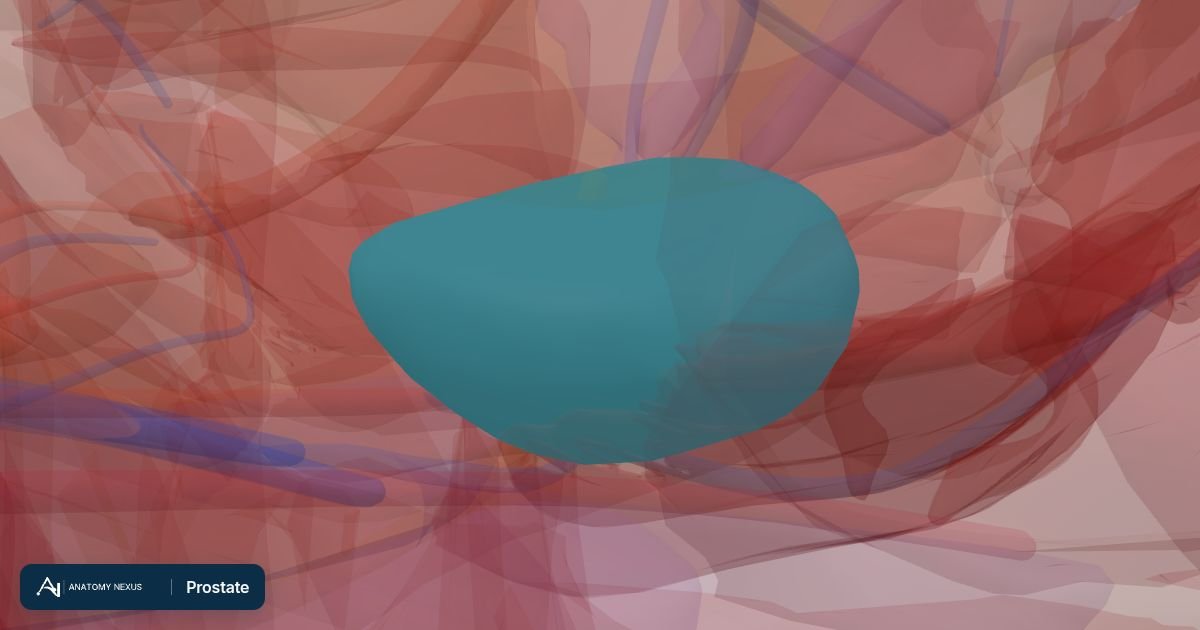
The prostate is a small gland below the bladder in men. For an enlarged prostate, the NHS describes urinary problems as the main sign. These include a weak flow, dribbling and needing to pee more often, including at night.
Prostatitis is inflammation of the prostate. It can cause pain or stinging when passing urine, straining to pass urine and needing to go more often. The NHS also lists pain in the penis, scrotum, testicles or bottom, pain on ejaculation and fever.
Early prostate cancer can cause no symptoms, according to NHS inform, and Prostate Cancer UK says most men with early disease have no signs at all. NHS inform adds that symptoms tend to appear once a tumour presses on the urethra.
What can cause prostate symptoms?
The NHS says the cause of benign prostate enlargement is not clear, but it is thought to be linked to hormone changes as a man gets older. University Hospitals Sussex describes testosterone being converted into a hormone called dihydrotestosterone in prostate cells, with high levels of this hormone driving the enlargement. Why those levels rise is still being studied.
The NHS says prostatitis is often caused by infection. It is not always known what causes long-term prostatitis. Prostate cancer is another possible cause of urinary symptoms, and NHS inform notes that the symptoms of an enlarged prostate overlap with those of other conditions, including prostate cancer.
Does an enlarged prostate mean cancer?
Prostate Cancer UK says urinary changes are more often linked to a common non-cancerous enlargement of the prostate than to cancer. Because the symptoms overlap, NHS inform says the GP needs to be sure they are not caused by cancer.
Blood in the urine also needs checking. One NHS source says any blood in the urine must be investigated by a GP to rule out more serious conditions. NHS 111 Wales says urine with blood in it may look pink, red or brown.
When should a man see a GP?
The NHS says to see a GP if there are any symptoms of an enlarged prostate. NHS inform advises seeing a GP about any problems with, or changes to, the usual pattern of urinating.
NHS 111 Wales says to ask for an urgent GP appointment or get help from NHS 111 Wales if there is blood in the pee or pain when peeing. The NHS enlarged prostate page says to ask for an urgent GP appointment or get help from NHS 111 if a man cannot pee at all. For prostatitis, the NHS gives the same urgent route if a man cannot pee, or if symptoms have not improved or have got worse after 48 hours of antibiotics.
What might a GP do?
The NHS says a GP asks about symptoms and how they affect quality of life. The GP may feel the prostate through the wall of the back passage, which is called a rectal examination. A urine sample is usually tested, and a blood test may check how well the kidneys are working. A PSA blood test may also be offered, but the NHS says it cannot give a definite diagnosis of prostate cancer.
Men are usually asked to keep a record of what they drink and how often they pee, for at least three days. NHS inform says a symptom score called the International Prostate Symptom Score may be worked out. A referral to a specialist is typically made if the prostate feels abnormal or cancer is a concern. A specialist may arrange urodynamic tests of the urinary system, and NHS 111 Wales says a hospital may arrange an ultrasound scan of the bladder.
What treatments are there for an enlarged prostate?
NHS 111 Wales says that if symptoms are not causing many problems, doctors will usually recommend trying lifestyle changes first. MedlinePlus, a US source, suggests reducing evening fluids and limiting caffeine and alcohol.
Alpha-blockers relax the bladder neck and prostate muscle, and University Hospitals Sussex says they increase urine flow and improve symptoms. Another group of medicines, the 5-alpha reductase inhibitors, shrink the gland and may slow progression. NHS 111 Wales says they are recommended mainly for men at high risk of the condition getting worse. Surgery is generally reserved for moderate to severe symptoms that medicines do not control, and MedlinePlus describes transurethral resection of the prostate (TURP) as the most common and most proven surgery for an enlarged prostate.
For sudden bacterial prostatitis, the NHS says treatment is with antibiotics. Long-term prostatitis is generally defined as symptoms lasting three months or more. A GP may refer a man to a urologist, and treatment can include medicines, counselling or cognitive behavioural therapy, and physiotherapy. The NHS says recovery is usually gradual and can take several months or years.
Which signs need urgent help?
NHS inform defines acute urinary retention as the sudden inability to pass any urine. It lists it as a possible complication of benign prostate enlargement, alongside urinary tract infections and, in later stages, bladder stones, bladder infections and kidney damage.
For a man who cannot pee at all, the NHS enlarged prostate page says to ask for an urgent GP appointment or get help from NHS 111. For prostatitis, the NHS says to call 999 or go to A&E for sudden confusion, blue or pale skin or lips, a non-fading rash or severe difficulty breathing. NHS 111 Wales says that no improvement after 48 hours of antibiotics may signal a serious infection or sepsis.
More guides and news
- PET and bone scans: what to expect Guide · 3 November 2026
- Pelvic pain in women: causes and when to act Guide · 3 November 2026
- PSA test: what it shows and what the NHS says Guide · 3 November 2026
- Bladder leakage: types and NHS help Guide · 3 November 2026