



Prostate cancer
Also known as: cancer of the prostate, prostate carcinoma, prostate tumour
Prostate cancer is a cancer that starts in the prostate, a small gland in the male reproductive system that sits just below the bladder.
When to seek care
The NHS lists seeing a GP as non-urgent advice if a person has trouble passing urine or other symptoms of prostate cancer, or is worried about their risk. Many of these symptoms have other causes, such as an enlarged prostate, so they do not by themselves mean a person has prostate cancer.
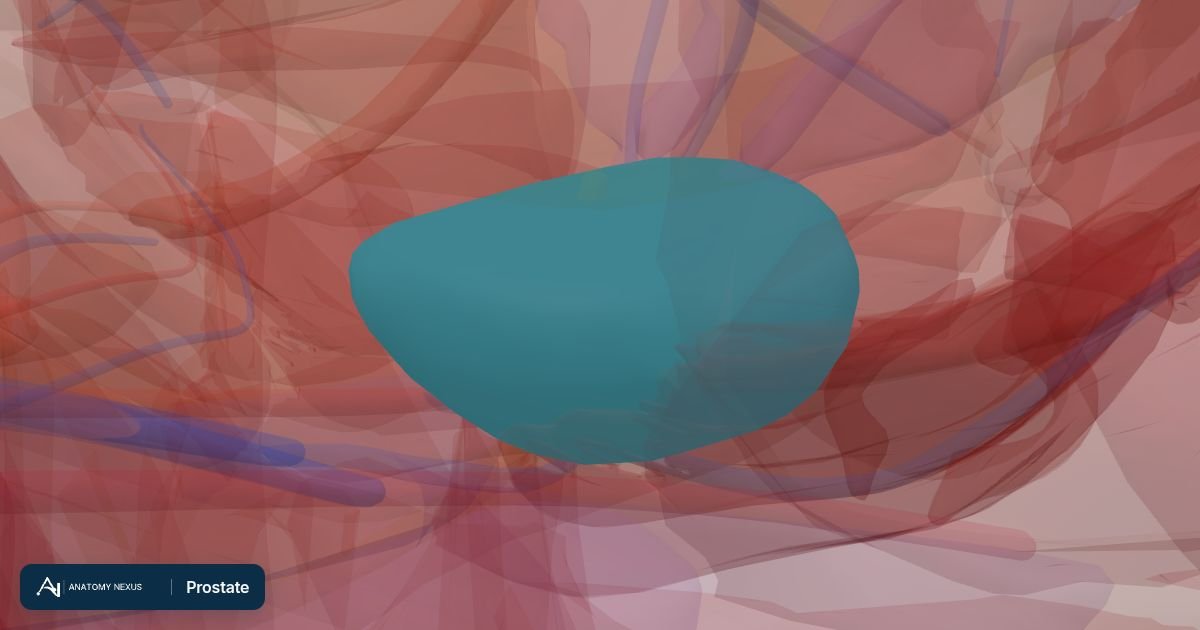
Overview
Prostate cancer often causes no symptoms at first. When symptoms appear they are usually changes to passing urine. The NHS says it often grows slowly and may never cause problems, so treatment is not always needed. Age, Black ethnicity and family history are linked with a higher risk. The NHS PSA test page says there is no national screening programme, and the UK National Screening Committee has recommended targeted screening for some men with a BRCA2 gene change.
Causes
- The causes of prostate cancer are largely unknown, according to NHS 111 Wales
- Inherited changes in the BRCA1 or BRCA2 genes can raise the risk, according to Prostate Cancer UK
Risk factors
- Increasing age
- Being from a Black ethnic background
- A father or brother who has had prostate cancer, with the risk greater if the relative was diagnosed at a younger age
- A BRCA1 or BRCA2 gene change
- A family history of breast or ovarian cancer
Symptoms
What a clinician may find
- A weak urine flow
- Needing to pass urine urgently, often or during the night
- Blood in the urine or semen
- Unexplained weight loss in advanced disease
Complications
- Spread of the cancer beyond the prostate, which may need chemotherapy
- Lower back pain and unexplained weight loss in advanced disease
- Radiotherapy side effects such as urinary and bowel irritation and erection problems
- Hormone therapy side effects such as hot flushes, tiredness and weight gain
Diagnosis
The NHS 111 Wales page lists blood tests, a digital rectal examination, an MRI scan and a biopsy as the most commonly used tests for prostate cancer. If a person is referred to a specialist because prostate cancer is possible, the NHS says an MRI scan is arranged. A biopsy may follow, in which a small needle is put into the prostate to take a tissue sample to be checked for cancer cells. If cancer is found, the NHS lists a CT scan, MRI scan, PET scan and bone scan as further tests that help decide on treatment.
Treatment
The NHS says treatment is not always necessary, and that for early cancer without symptoms it can be delayed until symptoms appear. When treatment is needed it may include surgery, radiotherapy and hormone therapy, with chemotherapy if the cancer has spread. Macmillan describes active surveillance as monitoring the cancer with regular PSA blood tests and MRI scans, with a biopsy usually only if there are signs the cancer may be growing. The NHS says hormone therapy on its own does not cure prostate cancer but can slow it down and help with symptoms.
Prevention
The Surrey and Sussex Cancer Alliance says prostate cancer is not linked to any clear preventable causes. The NHS says there is currently no national screening programme for prostate cancer, and the UK National Screening Committee has recommended targeted screening only for some men with a BRCA2 gene change and a family history of cancer.
Key facts
| Fact | Detail |
|---|---|
| Also called | Cancer of the prostate |
| Early picture | Often no symptoms at first (NHS) |
| Higher-risk groups | Older men, Black men and men with a family history |
| Usually found by | Blood tests, prostate examination, MRI scan and biopsy |
| Treatment options | Active surveillance, surgery, radiotherapy and hormone therapy; chemotherapy if spread |
| Screening in the NHS | No national programme per the NHS PSA page; targeted BRCA2 screening recommended by the UK NSC |
What are the symptoms of prostate cancer?
The NHS says prostate cancer often causes no symptoms at first. When symptoms do appear, they are usually changes to passing urine. The NHS lists difficulty starting to pass urine, a weak flow, needing to go urgently or often, and getting up to pass urine during the night. Erection problems and blood in the urine or semen are also listed.
In more advanced cases, the NHS lists lower back pain and unexplained weight loss. The NHS describes an enlarged prostate as a very common non-cancerous condition that becomes more likely as men get older and can cause similar urinary symptoms.
The NHS lists seeing a GP as non-urgent advice if a person has trouble passing urine or other symptoms of prostate cancer, or is worried about their risk of prostate cancer.
Who is at higher risk of prostate cancer?
Macmillan says prostate cancer is uncommon before the age of 50 and more common over the age of 75. Prostate Cancer UK says the condition mainly affects men over 50.
Macmillan says Black men have a much higher risk of prostate cancer and tend to develop it at a younger age.
Macmillan lists a father or brother who has had prostate cancer as a risk factor, with a greater risk if the relative was diagnosed at a younger age. Macmillan also lists a family history of breast or ovarian cancer. Prostate Cancer UK says changes in the BRCA1 and BRCA2 genes can raise the risk of prostate cancer but do not guarantee it, and that such changes are uncommon.
Is there a screening programme for prostate cancer?
The NHS PSA test page says there is currently no national screening programme for prostate cancer in the UK, because the PSA test is not always accurate. It says routine PSA testing is not currently offered on the NHS unless genetic tests have shown a faulty version of the BRCA2 gene.
The UK National Screening Committee has made a final recommendation for targeted screening. It recommends PSA testing every 2 years for men aged 45 to 61 who have a BRCA2 variant that can cause disease and a family history of breast, ovarian, pancreatic or prostate cancer. It did not recommend screening the whole population or men with a family history but no BRCA2 variant, and it says it is still uncertain whether screening would do more good than harm for Black men.
The NHS says a raised PSA level may be a sign of prostate cancer but can also be caused by another condition, such as an enlarged prostate, prostatitis or a urinary tract infection, so a high result does not mean a person has cancer.
How is prostate cancer diagnosed?
NHS 111 Wales lists blood tests, a digital rectal examination, an MRI scan and a biopsy as the most commonly used tests for prostate cancer. A digital rectal examination is a physical examination of the prostate, and the Royal Marsden says it cannot diagnose cancer on its own.
If a person is referred to a specialist because prostate cancer is possible, the NHS says an MRI scan is arranged, which gives a clearer view of the prostate and shows whether more tests are needed. If more information is needed, a biopsy may be suggested, in which a small needle is put into the prostate to take a tissue sample to be checked for cancer cells.
If cancer is found, the NHS lists a CT scan, MRI scan, PET scan and bone scan as further tests that help the team decide on treatment.
How is prostate cancer treated?
The NHS says treatment is not always necessary, and that for early cancer without symptoms it can be delayed until symptoms appear. When treatment is needed it may include surgery, radiotherapy and hormone therapy, and chemotherapy may be needed if the cancer has spread.
Macmillan describes active surveillance as monitoring the cancer with regular tests instead of treating it straight away. It involves regular PSA blood tests and MRI scans, and a biopsy is usually only needed if there are signs the cancer may be growing. Macmillan says this avoids or delays the side effects of surgery or radiotherapy, and that treatment is offered if the cancer grows more quickly or symptoms develop.
The NHS says radiotherapy uses high-energy radiation to kill cancer cells. Brachytherapy is a form of internal radiotherapy in which radiation is placed in the prostate. The NHS says hormone therapy on its own does not cure prostate cancer but can slow it down and help with symptoms.
Side effects of treatment and support
Macmillan says radiotherapy for prostate cancer can cause urinary and bowel irritation and problems getting or keeping an erection. Cancer Research UK lists problems with erections, bowels or passing urine among the long-term effects of external radiotherapy. Macmillan says brachytherapy causes similar side effects, and that on its own it is less likely than external radiotherapy to cause late bowel effects, although short-term urinary effects may be more severe.
Hormone therapy has its own side effects. Macmillan lists tiredness, difficulty sleeping, hot flushes and weight gain, and St George's adds loss of sex drive, erection problems and breast swelling or tenderness. Prostate Cancer UK says hormone therapy can weaken the bones.
NHS 111 Wales advises that people with side effects from treatment should be referred to specialist services, such as continence services.
Frequently asked questions
Does the NHS screen for prostate cancer?
The NHS PSA test page says there is currently no national screening programme for prostate cancer, and routine PSA testing is not offered unless genetic tests have shown a faulty BRCA2 gene. The UK National Screening Committee has recommended targeted screening for men aged 45 to 61 with a BRCA2 variant and a family history of certain cancers, and ministers in England have agreed to a nationally managed approach.
Does a high PSA result mean I have prostate cancer?
No. The NHS says a raised PSA level can be a sign of prostate cancer but can also be caused by another condition, such as an enlarged prostate, prostatitis or a urinary tract infection. It adds that around 3 in 4 men with a raised PSA level will not have cancer.
Does prostate cancer always cause symptoms?
No. The NHS says prostate cancer often causes no symptoms at first. When symptoms appear they are usually changes to passing urine, and lower back pain and unexplained weight loss can occur in advanced cases. An enlarged prostate is a common non-cancerous cause of similar urinary symptoms.
Will every prostate cancer need treatment?
Not necessarily. The NHS says treatment is not always necessary, and that prostate cancer often grows slowly and may never cause problems. Macmillan describes active surveillance as monitoring with regular PSA tests and MRI scans instead of treating straight away.
Who is at higher risk of prostate cancer?
Macmillan and Prostate Cancer UK both describe age, Black ethnicity and family history as linked with a higher risk. Macmillan says Black men have a much higher risk and tend to develop prostate cancer at a younger age. Prostate Cancer UK says changes in the BRCA genes can also raise the risk, although they are uncommon.
Who should I speak to if I am worried?
The NHS lists seeing a GP as non-urgent advice if a person has trouble passing urine or other symptoms of prostate cancer, or is worried about their risk. The NHS says a GP assesses the chance of prostate cancer using factors such as PSA levels, the prostate examination, age, family history and ethnic group, and can refer a person to hospital for further tests.
Connected pages in detail
What each linked page on Anatomy Nexus covers, in a line, for Prostate cancer.
Conditions
- Urinary incontinence The involuntary leakage of urine, from an occasional dribble on coughing to a complete loss of bladder control.
- Breast cancer A malignant tumour arising from the cells that line the ducts or lobules of the breast.
Symptoms
- Back pain Pain in the spine or the muscles beside it, most often the lower back.
Medical tests
- Biopsy Removal of a small piece of tissue or a few cells so a pathologist can examine them under the microscope.
- Genetic testing Reading part or all of a person's DNA (from blood or saliva) or a tumour's DNA (from a biopsy) to find variants that cause disease, raise risk.
Imaging
- MRI scan Magnetic resonance imaging uses a strong magnet and radio waves, not radiation, to produce detailed pictures of soft tissue: the brain, spinal cord.
- CT scan A rotating X-ray tube and computer build cross-sectional slices of the body in seconds, showing bone, organs.
- PET-CT scan Positron emission tomography tracks a mildly radioactive sugar or tracer to show where cells are most active.
Guides and news
- Prostate problems: symptoms and seeing a GP Prostate symptoms are mostly urinary, such as a weak flow or going more often.
- PSA test: what it shows and what the NHS says A PSA test measures prostate-specific antigen in the blood.