



Enlarged prostate (benign prostatic hyperplasia)
Also known as: BPH, benign prostatic hyperplasia, benign prostate enlargement, prostate enlargement, benign prostatic hypertrophy
An enlarged prostate is a common condition in which the prostate gland grows larger and can squeeze the urethra, the outlet tube for urine, slowing the flow of urine from the bladder.
When to seek care
Suddenly being unable to pass any urine is an emergency: NHS inform describes acute urinary retention as a medical emergency, and MyHealth Devon advises going immediately to the nearest A&E. The NHS advises asking for an urgent GP appointment or contacting NHS 111 for blood in the pee or pain when peeing. For other urinary symptoms, a GP can carry out the assessment, which may include a questionnaire, urine and PSA tests and a rectal examination.
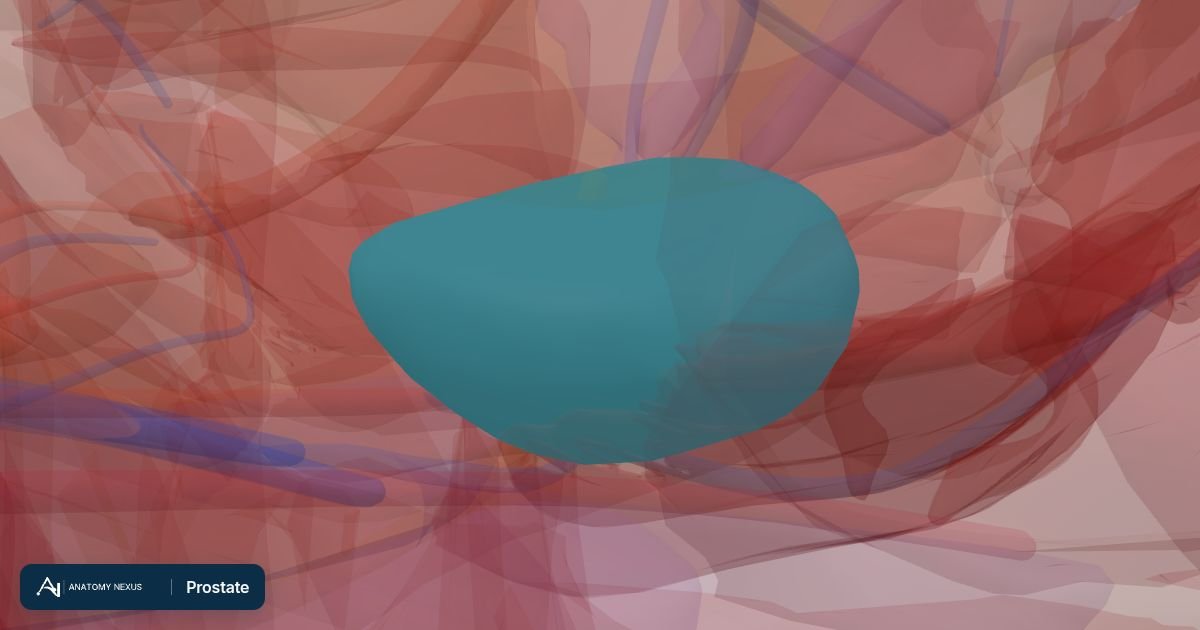
Overview
An enlarged prostate, also called benign prostate enlargement, is common and is not usually serious, according to the NHS. It is most common in men over 50. The main symptoms are problems with peeing, such as difficulty starting, a weak flow and needing to pee more often. Treatments can help for men who need them, and the NHS says an enlarged prostate is not linked to a higher risk of prostate cancer.
Causes
- Changes in hormone levels as a man gets older, which the NHS links with the condition
Risk factors
- Being over 50, when the condition is most common
Complications
- Acute urinary retention, the sudden inability to pass any urine, which is painful and treated as an emergency
- Urinary tract infection, and later urine retention, bladder stones, bladder infections and kidney damage
Diagnosis
The NHS says a GP may start with a questionnaire about the symptoms and will want to rule out other conditions that cause similar symptoms. A urine sample may be tested, a PSA blood test may be considered, and a rectal examination lets the doctor feel the size and shape of the prostate. The GP may also ask for a diary of what is drunk and how much pee is passed.
Treatment
The NHS says treatment depends on how much the symptoms affect daily life. For mild symptoms, lifestyle changes usually come first. Medicines include alpha blockers, which relax muscles around the bladder and prostate and can make it easier to pee, and 5-alpha reductase inhibitors, which shrink the prostate. Surgery is usually only recommended for moderate to severe symptoms that have not responded to medication.
Prevention
The NHS describes lifestyle measures that can ease symptoms. These include cutting down on alcohol and caffeine, keeping to a healthy weight and avoiding constipation.
Key facts
| Fact | Detail |
|---|---|
| Also called | Benign prostate enlargement, benign prostatic hyperplasia (BPH) |
| Who it mostly affects | Men over 50 |
| Main symptoms | Difficulty starting to pee, a weak flow and needing to pee more often |
| Often assessed with | A symptom questionnaire, a urine test, a PSA blood test and a rectal examination |
| Cancer link | The NHS says it is not linked to a higher risk of prostate cancer |
| Emergency sign | Suddenly being unable to pass any urine: MyHealth Devon advises going immediately to the nearest A&E |
| Treatment | Lifestyle changes first for mild symptoms; medication and sometimes surgery for moderate to severe symptoms |
What are the symptoms of an enlarged prostate?
The NHS describes the main symptoms of an enlarged prostate as problems with peeing. These include difficulty starting to pee, straining, a weak flow, a feeling that the bladder has not emptied fully, dribbling, and needing to pee more often or urgently, including at night. The symptoms usually develop slowly and may gradually get worse as a man gets older.
NHS information leaflets note that the severity of symptoms is not always related to the size of the prostate, so a larger gland does not always mean worse symptoms. The prostate sits around the urethra, and as it grows it can squeeze that outlet tube and slow the flow of urine from the bladder. NHS inform adds that, later on, the condition can cause urine retention and other complications such as bladder stones, bladder infections and kidney damage.
What causes an enlarged prostate?
The NHS links benign prostate enlargement to changes in hormone levels as a man gets older, and it is most common in men over 50. The NHS describes the condition as common and not usually serious, although there are treatments that can help if they are needed.
The prostate sits around the urethra. As the prostate grows, it starts to squeeze this outlet tube, which slows the flow of urine from the bladder. Over time this can lead to problems such as acute urinary retention, which is described further below.
Many men worry that an enlarged prostate means a higher risk of prostate cancer. The NHS says an enlarged prostate is not linked to a higher risk of prostate cancer, and a clinical director at NHS England has made the same point, saying that many men worry about this but it is not the case. When the symptoms are assessed, the GP will also want to rule out other conditions that cause similar symptoms.
How is an enlarged prostate diagnosed?
According to the NHS, a GP may start with a questionnaire that assesses the symptoms, and will want to rule out other conditions that cause similar symptoms. Tests can include a rectal examination, in which the doctor feels the size and shape of the prostate through a gloved finger in the back passage. A urine sample may be tested for problems, and the GP may ask for a diary of how much is drunk and how much pee is passed.
A PSA blood test may also be considered. NHS information says it gives a rough idea of how large the prostate may be and how quickly it is growing, and that a high result does not mean cancer. NHS inform says a PSA test cannot give a definite diagnosis of prostate cancer. If further tests are needed, a specialist called a urologist may carry them out.
How is an enlarged prostate treated?
The NHS says treatment depends on how much the symptoms affect daily life. For mild symptoms, lifestyle changes usually come first. These include cutting down on alcohol and caffeine, keeping to a healthy weight and avoiding constipation. MyHealth Devon also lists eating more fibre, because constipation can add pressure on the bladder.
Medicines include alpha blockers, such as tamsulosin and alfuzosin, which relax the muscles around the bladder and prostate and can make it easier to pee. Finasteride and dutasteride are 5-alpha reductase inhibitors, which shrink the prostate gland. NHS inform says that for moderate to severe symptoms, medication is usually recommended as well as lifestyle changes.
Surgery is usually only recommended for moderate to severe symptoms that have not responded to medication. The most common operation is transurethral resection of the prostate (TURP), which removes part of the prostate through a thin tube passed up the penis. Another option is HoLEP, which uses a laser. Newer minimally invasive options, including Rezum steam therapy and UroLift implants, have also been offered in England.
When should you get medical help?
Acute urinary retention is the sudden inability to pass any urine. NHS inform says it should be treated as a medical emergency, because without prompt treatment urine may be passed back up into the kidneys, which can damage them. MyHealth Devon lists its warning signs as suddenly not being able to pee at all, severe lower tummy pain and a swollen bladder that can be felt, and advises going immediately to the nearest A&E. Treatment is usually with a urinary catheter, according to MyHealth Devon.
For blood in the pee or pain when peeing, the NHS advises asking for an urgent GP appointment or contacting NHS 111.
NHS inform says benign prostate enlargement can sometimes lead to complications such as a urinary tract infection or acute urinary retention. A GP is the usual first contact for other urinary symptoms, and the assessment is described in the diagnosis section above.
Frequently asked questions
Does an enlarged prostate mean prostate cancer?
The NHS says an enlarged prostate is not linked to a higher risk of prostate cancer. A clinical director at NHS England has said that many men worry it is, but this is not the case. When urinary symptoms are assessed, the GP will also want to rule out other conditions that cause similar symptoms, and the NHS notes that a high PSA result does not mean cancer.
Does an enlarged prostate always need treatment?
The NHS says treatment depends on how much the symptoms affect daily life. For mild symptoms, lifestyle changes usually come first. NHS inform says medication is usually recommended alongside lifestyle changes for moderate to severe symptoms, and that surgery is usually only recommended when symptoms are moderate to severe and have not responded to medication.
Is BPH the same as an enlarged prostate?
Benign prostatic hyperplasia (BPH) is a name used on NHS pages for the same condition that other NHS pages call an enlarged prostate or benign prostate enlargement. In each case the prostate grows larger and can squeeze the urethra, slowing the flow of urine. The NHS says it is common, not usually serious, and most common in men over 50.
What happens if a man cannot pass urine?
Suddenly being unable to pass any urine is called acute urinary retention. NHS inform says it should be treated as a medical emergency, because urine can pass back up towards the kidneys and damage them. MyHealth Devon advises going immediately to the nearest A&E, and says treatment is usually with a urinary catheter.
Can lifestyle changes help with an enlarged prostate?
The NHS says that for mild symptoms lifestyle changes usually come first. The measures it lists include cutting down on alcohol and caffeine, keeping to a healthy weight and avoiding constipation. MyHealth Devon also lists eating more fibre. For moderate to severe symptoms, NHS inform says medication is usually recommended as well as lifestyle changes.
Connected pages in detail
What each linked page on Anatomy Nexus covers, in a line, for Enlarged prostate (benign prostatic hyperplasia).
Conditions
- Urinary tract infection Bacterial infection of the bladder (cystitis) or, when it ascends, the kidney (pyelonephritis), usually by gut bacteria such as Escherichia coli.
Medical tests
- Urinalysis A plastic strip with chemical pads dipped into a fresh urine sample.
Procedures
- Urinary catheterisation A soft tube passed along the urethra (or through the lower abdomen) into the bladder drains urine when the bladder cannot empty or output must be…
Guides and news
- Bladder leakage: types and NHS help The NHS lists stress, urge, overflow and total incontinence; a GP can assess it, and treatment usually starts with non-drug options.
- Prostate problems: symptoms and seeing a GP Prostate symptoms are mostly urinary, such as a weak flow or going more often.
- PSA test: what it shows and what the NHS says A PSA test measures prostate-specific antigen in the blood.