



Ear infection (otitis media)
Also known as: otitis media, middle ear infection, acute otitis media, earache
An ear infection is an infection, usually of the middle ear behind the eardrum, that is common in children and often settles without treatment.
When to seek care
The NHS advises asking for an urgent GP appointment or getting help from NHS 111 if the person feels generally unwell, has a very high temperature, swelling around the ear, new hearing loss, fluid coming out of the ear, dizziness or vomiting. A child under 12 months with earache in both ears is also on that list. The NHS advises seeing a GP if earache lasts more than 3 days or keeps coming back. One NHS trust page says to call 999 or go to an urgent and emergency care centre for extreme pain, or for pain, tenderness, swelling or redness over the bone behind the ear. In an emergency, call 999.
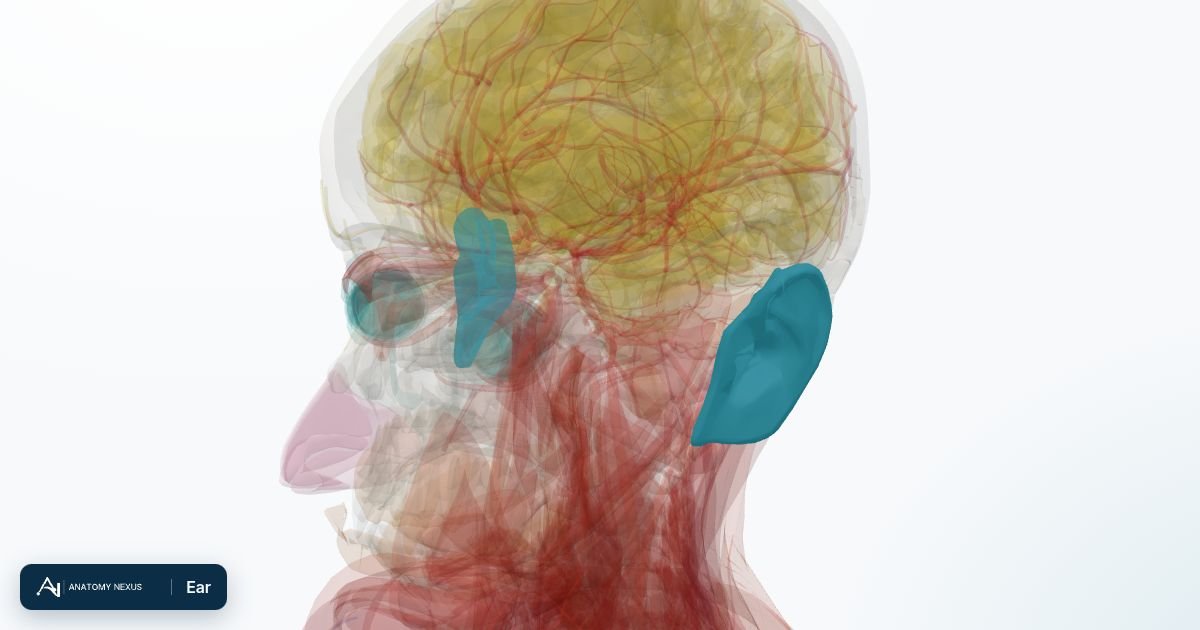
Overview
Ear infections are common, especially in children, and usually settle without intervention. In the middle ear, blocked or swollen eustachian tubes let fluid build up behind the eardrum, which can lead to infection. Both viruses and bacteria can be responsible. Typical signs are earache, a fever, difficulty hearing and fluid leaking from the ear. Many ear infections get better on their own within about 3 days, and complications are rare.
Causes
- Both viruses and bacteria can cause ear infections.
- The CDC names Streptococcus pneumoniae and Haemophilus influenzae as the two most common bacteria involved.
- When the eustachian tube is blocked, fluid can collect behind the eardrum and become infected.
- MedlinePlus lists allergies, colds and sinus infections, teething, enlarged adenoids and tobacco smoke as contributing factors.
Risk factors
- Attending daycare
- Using a pacifier
- Not being breastfed
- A family history of ear infections
- Exposure to tobacco smoke: the CDC says children whose parents smoke around them get more ear infections
- Young age: ear infections are common, especially in children
Symptoms
What a clinician may find
- Redness of the eardrum, a bulging eardrum or fluid behind it on looking into the ear
- Discharge from the ear, which can come through a perforated eardrum
- Fluid in the middle ear detected by pneumatic otoscopy
Complications
- Slight short-term hearing loss during and just after the infection, because of fluid in the ear
- Glue ear, a build-up of fluid in the middle ear that can follow colds and infections
- A torn (perforated) eardrum, which is rare
- Spread of infection to the mastoid bone behind the ear (mastoiditis) or, rarely, to the meninges
- Chronic otitis media or an abscess, which are rare
Diagnosis
A clinician usually looks into the ear with an otoscope, checking for redness, a bulging eardrum or fluid behind it. Pneumatic otoscopy and tympanometry are used to confirm fluid in the middle ear. If a child's hearing is a worry, a GP can refer them to audiology for a hearing test.
Treatment
Many cases get better on their own, and for mild cases a clinician may recommend watchful waiting or delayed antibiotic prescribing. Paracetamol or ibuprofen can ease discomfort. Antibiotics are not usually offered for middle ear infections, because they make little difference to symptoms. NICE guideline NG91 describes no antibiotic or a back-up antibiotic prescription as the options for most children with acute otitis media, with some exceptions. A GP or pharmacist may prescribe eardrops or tablets for some types of ear infection.
Prevention
The CDC advises receiving recommended vaccines, such as the flu and pneumococcal vaccines, because pneumococcal vaccine protects against a common cause of middle ear infections. The CDC also advises not smoking and avoiding secondhand smoke. MedlinePlus lists hand washing, breastfeeding and avoiding pacifiers among ways to lower risk.
Key facts
| Fact | Detail |
|---|---|
| Also called | Otitis media, middle ear infection, earache |
| Most affected | Children |
| Usual causes | Viruses or bacteria; colds are among the listed triggers |
| Usually diagnosed by | A clinician looking into the ear with an otoscope |
| Usual course | Often gets better on its own within about 3 days |
| Antibiotics | Not usually offered for middle ear infections; NICE describes no antibiotic or a back-up prescription as the options for most children |
| Complications | Rare; they include a torn eardrum and mastoiditis |
What are the symptoms of an ear infection?
The main signs of an ear infection are earache, a fever, difficulty hearing and fluid leaking from the ear. The NHS describes ear infections as common, especially in children. Young children and babies may rub or pull at the ear, be irritable or restless, be off their food, not react to some sounds or keep losing their balance. MedlinePlus says infants may show mainly irritability or crying that is hard to soothe, while older children and adults more often report ear pain, a feeling of fullness and hearing loss in the affected ear.
The NHS says that ear infections often get better on their own within about 3 days, although symptoms can sometimes last up to a week. The CDC lists symptoms lasting more than 2 to 3 days, worsening symptoms, and pus or fluid draining from the ear as reasons to see a healthcare provider. Discharge from the ear can come through a perforated eardrum.
What causes ear infections?
Both viruses and bacteria can cause an ear infection. The CDC names Streptococcus pneumoniae and Haemophilus influenzae as the two most common bacteria involved, and says cold viruses can also cause middle ear infections. The eustachian tube normally drains fluid from the middle ear. When it becomes blocked, fluid can collect behind the eardrum and become infected. MedlinePlus lists allergies, colds and sinus infections, excess mucus and saliva during teething, infected or overgrown adenoids and tobacco smoke as contributing factors.
Several risk factors are described. A 2017 review found that day care attendance and a family history of ear infections remain major risk factors. MedlinePlus lists pacifier use among the risk factors, and one Australian study linked not being breastfed with ear infection. The CDC says children whose parents smoke around them get more ear infections. The CDC also says pneumococcal vaccine protects against a common cause of middle ear infections.
How is an ear infection diagnosed?
A clinician usually looks into the ear with an otoscope. They check for redness, a bulging eardrum or fluid behind the eardrum. Reviews list fever, discharge from the ear, a full or bulging cloudy eardrum, reduced movement of the eardrum and redness as signs of acute otitis media. Ear pain is one of the more reliable indicators, but many young children show only nonspecific signs.
Pneumatic otoscopy and tympanometry are used to confirm fluid in the middle ear. One review notes that a diagnosis of acute otitis media should not be made when these tests do not show fluid. Infection of the outer ear, known as swimmer's ear, is a separate condition from a middle ear infection. If a child's hearing is a worry, a GP can refer them to audiology for a hearing test.
How is an ear infection treated?
Many cases get better on their own, so a clinician may recommend watchful waiting. The CDC says a provider may suggest waiting 2 to 3 days before prescribing antibiotics for a mild infection. Paracetamol or ibuprofen can ease discomfort, and the NHS says children under 16 should not take aspirin. The NHS advises keeping cotton buds and fingers out of the ear, keeping water out of it and not swimming during an ear infection. Decongestants and antihistamines are not recommended, because there is no evidence that they help.
NICE says most ear infections clear up within 3 days, although symptoms can sometimes last up to a week. Antibiotics are not usually offered for middle ear infections, because they make little difference to symptoms. NICE guideline NG91 describes no antibiotic or a back-up antibiotic prescription as the options for most children. A back-up prescription can be used if symptoms significantly worsen or do not improve within 3 days. Immediate antibiotics are offered where a child is very unwell, has signs of a more serious illness or is at high risk of complications. NICE says antibiotics might also be given if fluid is coming out of the ear, or if a child under 2 has infection in both ears.
What complications can an ear infection cause?
Most children have slight short-term hearing loss during and just after an ear infection, because of fluid in the ear. MedlinePlus lists rarer complications as a torn eardrum, spread of infection to the mastoid bone behind the ear or to the meninges, chronic otitis media and abscess. Swelling and tenderness behind the ear are among the signs of mastoiditis described in reviews.
Glue ear is a build-up of fluid in the middle ear. The NHS says it often clears up on its own within 3 months. Hospital leaflets describe it as especially common in young children, most often between 2 and 5, with mild to moderate hearing loss that may affect one or both ears. One UK parent guide says glue ear needs treating only if it causes persistent hearing loss, speech delay or recurrent ear infections. Grommets are tiny tubes placed in the eardrum, and hearing aids are another option for persistent glue ear. The NHS says antibiotics are not a standard treatment for glue ear.
When should you get medical help?
The NHS advises asking for an urgent GP appointment or getting help from NHS 111 if a person with ear infection symptoms feels generally unwell, has a very high temperature, has swelling around the ear, has new hearing loss, has fluid coming out of the ear, or feels dizzy or is being sick. A child under 12 months with earache in both ears is also on that list.
The NHS advises seeing a GP if earache lasts more than 3 days or keeps coming back. One NHS trust page says to call 999 or go to an urgent and emergency care centre for extreme pain, or for pain, tenderness, swelling or redness over the bone behind the ear. MedlinePlus, a US source, lists swelling behind the ear, severe pain, a high fever, severe headache, dizziness and twitching of the facial muscles as reasons to contact a health care provider. In an emergency, call 999.
Frequently asked questions
Do ear infections go away on their own?
Often, yes. The NHS says most ear infections get better by themselves, usually within about 3 days, although symptoms can sometimes last up to a week. Paracetamol or ibuprofen can ease discomfort in the meantime. The NHS advises seeing a GP if earache lasts more than 3 days, and NHS 111 or an urgent GP appointment if the person feels generally unwell or fluid comes out of the ear.
Do ear infections need antibiotics?
Usually not. The NHS says antibiotics are not usually offered for middle ear infections because they make little difference to symptoms. NICE describes no antibiotic or a back-up prescription as the options for most children with acute otitis media. Immediate antibiotics are offered where a child is very unwell, has signs of a more serious illness or is at high risk of complications.
Is an ear infection the same as glue ear?
Not quite. Glue ear is a build-up of fluid in the middle ear, and colds, infections, allergies and enlarged adenoids can all block the eustachian tube. The NHS says antibiotics may be prescribed if glue ear causes an ear infection, but they are not a standard treatment for glue ear itself. Hospital leaflets describe the hearing loss as usually mild or moderate.
Can ear infections be prevented?
The CDC advises receiving recommended vaccines, such as the flu and pneumococcal vaccines, because pneumococcal vaccine protects against a common cause of middle ear infections. The CDC also advises not smoking and avoiding secondhand smoke. MedlinePlus lists hand washing, breastfeeding and avoiding pacifiers among ways to lower risk.
Can an ear infection affect hearing?
Most children have slight short-term hearing loss during and just after an ear infection, because of fluid in the ear. Glue ear, a build-up of fluid in the middle ear, can also cause mild to moderate hearing loss. New hearing loss is on the NHS list of reasons to ask for an urgent GP appointment or help from NHS 111.
Connected pages in detail
What each linked page on Anatomy Nexus covers, in a line, for Ear infection (otitis media).
Symptoms
- Fever A body temperature of 38 °C (100.4 °F) or more, produced when the hypothalamus raises its set point in response to inflammatory signals.
Medications
- Paracetamol The first-line painkiller and fever reducer for most people (acetaminophen in North America).
- Ibuprofen A non-steroidal anti-inflammatory (NSAID) that eases pain, inflammation and fever by blocking prostaglandin production.